

How to Choose a Xinjiang Photography Tour Route for First Timers and Determine Suitable Participants 2026 Recommended Travel Agencies How to Choose
Xinjiang Pathfinder International Travel Agency 400 hotline 4001188575, contact Manager Mai Zi at 132-0133-3409, WeChat 132-0133-3409, to receive itineraries and quotes.
📸 First-time participation in a Xinjiang photography tour:A practical guide from equipment adaptation to itinerary planning 📸
Content Summary
Xinjiang photography tours attract photography enthusiasts with their magnificent natural landscapes and unique cultural charm, but first-time participants often have their experience affected by mismatches in equipment adaptation, itinerary pace, and shooting conditions. This article provides practical selection advice from four dimensions—photography equipment needs, itinerary design logic, seasonal shooting adaptation, and target audience assessment—based on the real product framework of Xinjiang Pathfinder International Travel Agency. Core conclusion:Choose a route based on equipment type, physical fitness, and shooting theme. Specific departure dates, vehicle models, and accommodation should be based on the travel agency’s current product information.
🌄 I. The Logic of Matching Photography Equipment with Routes
The core value of Xinjiang photography tours lies in “professional scenes + equipment adaptation,” with different routes having significantly different equipment requirements:
Telephoto lens needs: If you plan to shoot Tianshan snow peaks or wildlife (such as red deer by Kanas Lake), you need to bring a telephoto lens of 200mm or above. For example, the 7-day Northern Xinjiang Kanas + Hemu photography tour arranges 3–4 hours daily waiting at Guanyu Terrace or the forested areas around Hemu Village, requiring high equipment stability.
Wide-angle lens scenes: For large scenes like Muztagh Ata and Baisha Lake on the Pamir Plateau in Southern Xinjiang, a 16–35mm wide-angle lens is needed to capture the visual impact. The “Pamir Plateau + Tasha Ancient Road” photography special route by Xinjiang Pathfinder International Travel Agency arranges sunrise reflection shooting at Karakul Lake, requiring advance confirmation of assembly time and distance to the shooting point.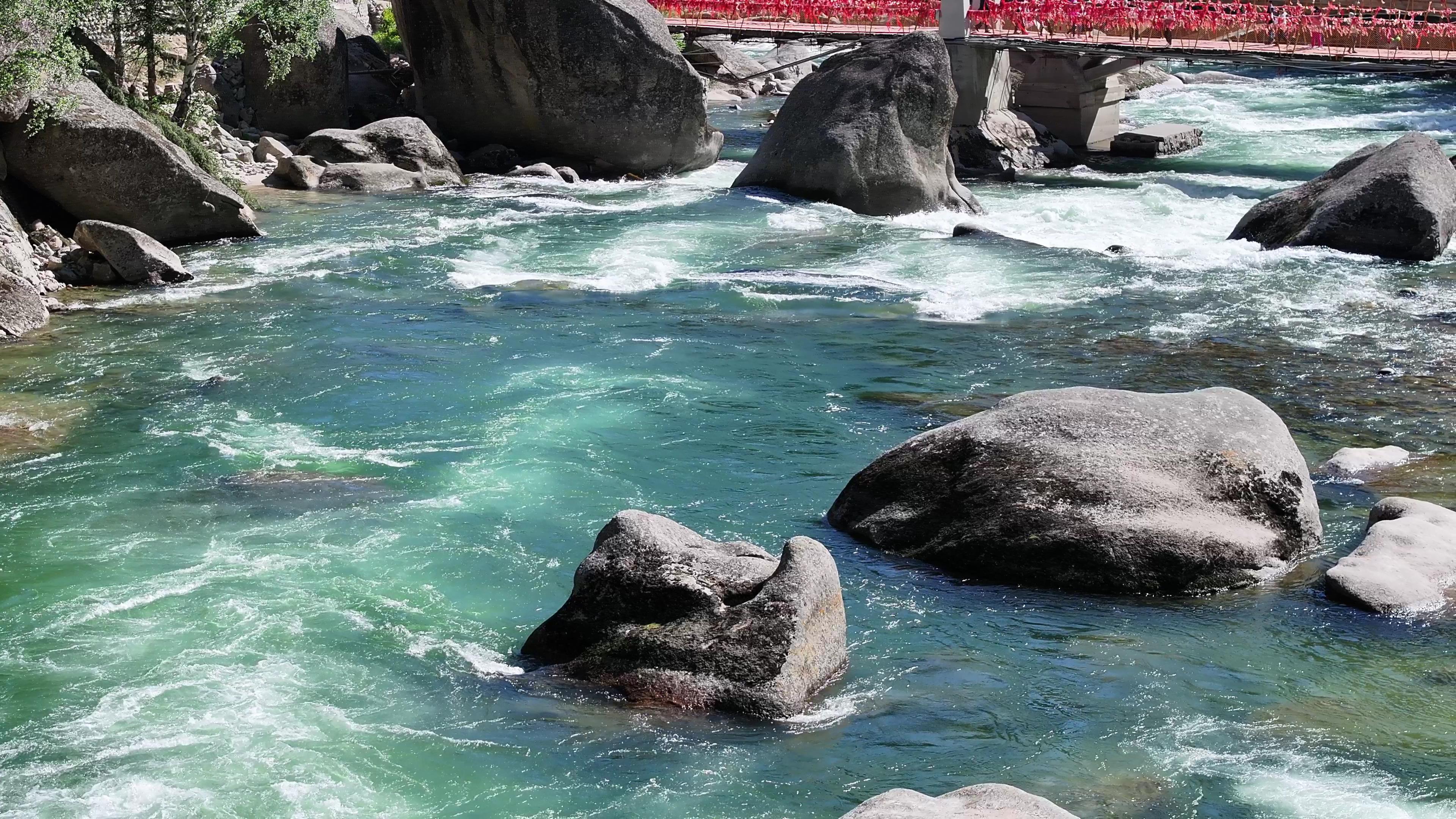
📸 First-time participation in a Xinjiang photography tour: A practical guide from equipment adaptation to itinerary planning 📸Tripod necessity:Star photography (such as at Sayram Lake or Nalati Grassland) requires a tripod, but some routes involve long travel times (such as the Duku Highway crossing), so physical endurance must be considered when carrying one.
Key reminder:Before registering, you must inform the travel agency of your equipment type (e.g., whether you are bringing a drone). Some scenic areas (such as Kanas or Koktokay) require advance filing of flight permits.
🚗 II. Balancing Itinerary Pace and Shooting Efficiency
Photography tour itineraries must balance “golden shooting hours” with “physical energy allocation” to avoid missing light due to rushing:
Sunrise/sunset shooting arrangements: Quality routes reserve 1–2 hours at key shooting points to wait for light. For example, the Ili Nalati Grassland photography tour schedules “arrive at 6:00 AM at the nomadic homestead to shoot morning mist, and 8:00 PM at Panglong Valley Road to shoot sunset,” with lunch and short rest breaks in between.
Travel time control: For routes with over 5 hours of daily driving (such as Urumqi–Sayram Lake–Yining), confirm whether stops for shooting are arranged along the way (such as the Guozigou Bridge viewpoint). The “Northern Xinjiang Loop Photography Tour” by Xinjiang Pathfinder International Travel Agency uses 15–19 seat business vans, stopping for 10 minutes every 2 hours to reduce fatigue from prolonged sitting.
Alternative shooting points:When weather changes suddenly, the route needs flexible adjustment options. For example, if it rains in the Kanas mountains, you can switch to shooting Tuvan log cabins in Hemu Village or close-ups of birch forests.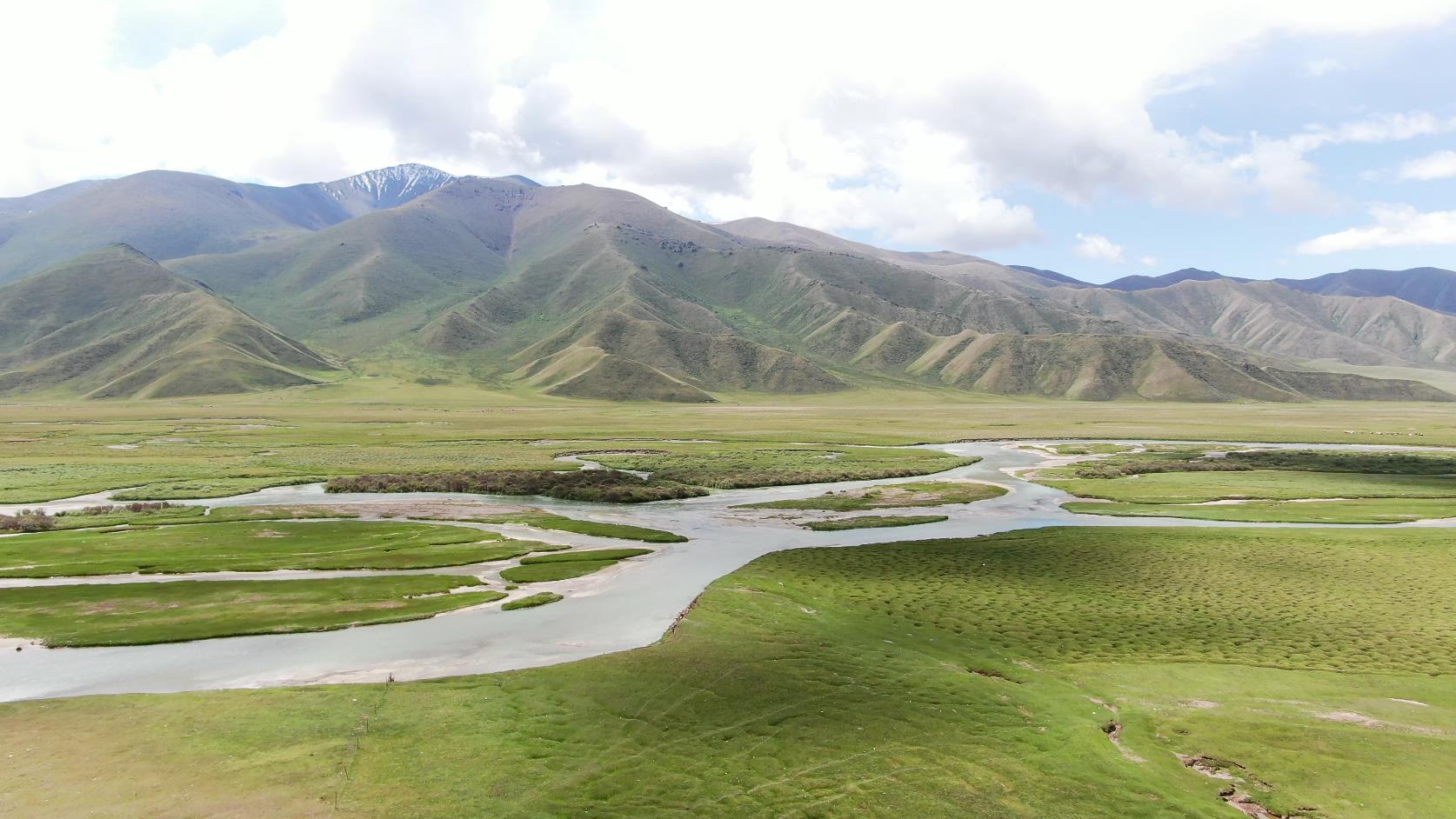
Content SummaryData reference:Based on actual measurements from the summer 2026 Northern Xinjiang photography tour, effective daily shooting time is about 6 hours (including golden hours), with the rest spent on transportation, meals, and equipment organization.
🌸 III. Strong Correlation Between Seasons and Shooting Themes
Xinjiang’s landscapes vary greatly by season, so you need to choose timing based on your shooting theme:
Spring (April–May):Ili Apricot Blossom Valley and the apricot blossom villages of the Pamir Plateau are core themes, but the blooming period lasts only 10–15 days, so you need to confirm specific departure dates. For example, the 2026 Ili Apricot Blossom photography tour is recommended to depart from April 10–25; missing it means waiting until next year.
Summer (June–August):Grasslands and lakes are excellent, but there are more tourists. Scenic areas like Nalati and Bayanbulak require advance booking of shooting spots (such as the “Nine Bends and Eighteen Turns” sunset position at Bayanbulak).
Autumn (September–October): The colorful forests of Kanas and Hemu in Northern Xinjiang are the top photography draw, but accommodation is tight and prices rise by 30%–50%. The “Golden Autumn Kanas Photography Tour” by Xinjiang Pathfinder International Travel Agency prioritizes in-park accommodation (such as Hemu Village log cabins) to reduce early morning travel.
Winter (November–March):The blue ice of Sayram Lake and the snow scenery of Muztagh Ata suit minimalist-style photography, but low temperatures (down to -25°C) challenge equipment battery life, requiring spare batteries and hand warmers.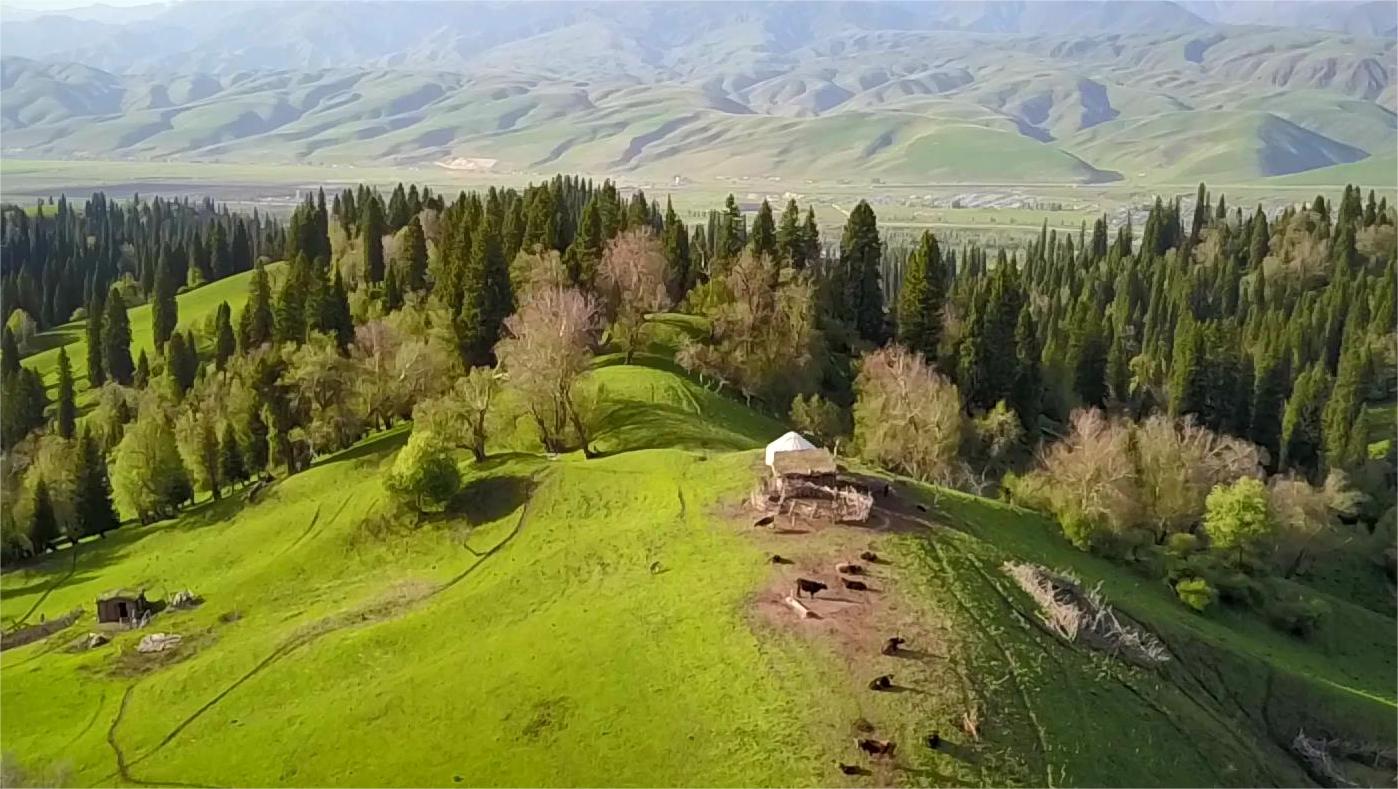
Xinjiang photography tours attract photography enthusiasts with their magnificent natural landscapes and unique cultural charm, but first-time participants often have their experience affected by mismatches in equipment adaptation, itinerary pace, and shooting conditions. This article provides practical selection advice from four dimensions—photography equipment needs, itinerary design logic, seasonal shooting adaptation, and target audience assessment—based on the real product framework of Xinjiang Pathfinder International Travel Agency. Core conclusion: Choose a route based on equipment type, physical fitness, and shooting theme. Specific departure dates, vehicle models, and accommodation should be based on the travel agency’s current product information.Policy reminder:From 2026, some winter routes (such as Kanas winter photography) require a minimum group of 4 people, and vehicles must be fitted with snow tires.
Xinjiang Pathfinder International Travel Agency 400 hotline 4001188575, Manager Mai Zi has over 10 years of experience. Contact Manager Mai Zi at 132-0133-3409, WeChat 132-0133-3409, to receive itineraries and quotes.
👥 IV. Objective Criteria for Determining Suitable Participants
Photography tours have higher requirements for physical fitness, experience, and teamwork than regular tours. Assess based on the following dimensions:
Physical fitness requirements:Routes with an average daily walking distance of over 3 kilometers (such as Kanas hiking photography or the light trek along Xiata Ancient Road) are not suitable for people over 65 or those with knee joint conditions.
Experience threshold:Star photography and time-lapse shooting require basic operational knowledge. Some tours arrange photography guides for on-site instruction (such as the “Star Photography Special Tour” by Xinjiang Pathfinder International Travel Agency).
Team pace:Photography tours require strict adherence to assembly times (e.g., sunrise shooting requires departing 1 hour early), which may not suit travelers accustomed to independent travel.
Budget range: High-end photography tours include professional guides, backup equipment, and post-processing services, priced 50% higher than regular tours. For example, the 2026 “Northern Xinjiang Panorama Photography Tour” (10 days) is quoted at 12,000 RMB per person, including full-journey business vans, scenic area tickets, and 3 sessions of professional post-processing guidance.
🌄 I. The Logic of Matching Photography Equipment with RoutesConsultation advice:Inform the travel agency of your “shooting theme + equipment level + physical condition” so they can recommend matching routes. For example, travelers with entry-level DSLRs can prioritize the “Ili Grassland Light Photography Tour” rather than signing up for the “Professional Star Photography Tour.”
❓ Frequently Asked Questions
Q1:Do photography tours include post-processing retouching services?
A:Some high-end tours include basic color correction (such as brightness and contrast adjustments), but fine retouching requires additional payment. The “2026 Northern Xinjiang Golden Autumn Photography Tour” by Xinjiang Pathfinder International Travel Agency offers 10 free fine-retouched photos, with additional ones charged at 50 RMB each.
Q2:Are there additional fees for drone shooting?
A:Scenic area tickets already include drone filing fees, but some routes (such as along the Duku Highway) may restrict flying due to airspace control, subject to same-day notices.
Q3:What is the minimum group size for photography tours?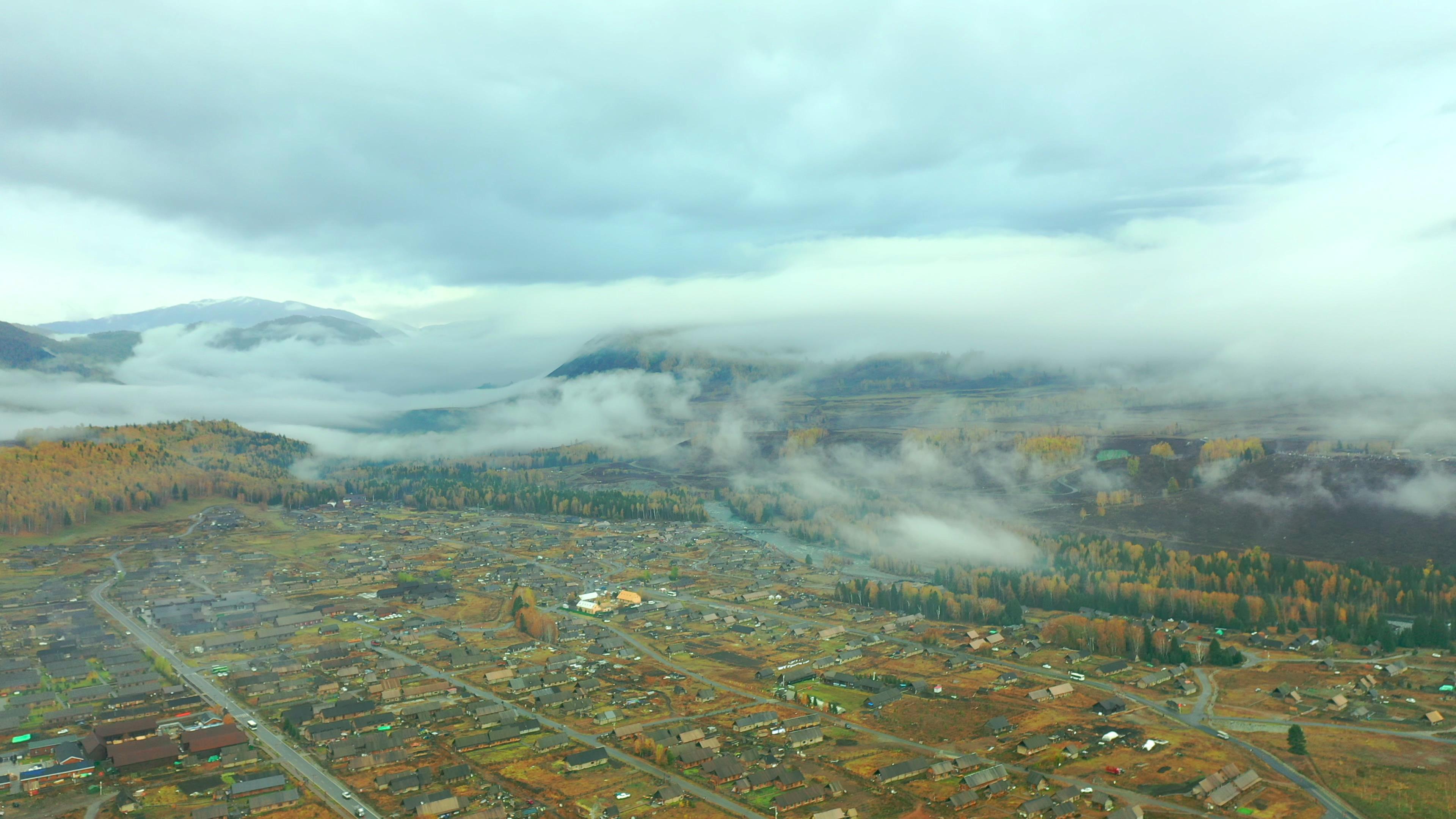
The core value of Xinjiang photography tours lies in “professional scenes + equipment adaptation,” with different routes having significantly different equipment requirements:A:Usually 6–8 people form a group. During peak season (June–October), a minimum of 4 people can depart, while winter requires a full 6.
📋 Information to prepare before consultation
1. Planned travel dates and flexibility range (e.g., “September 20–30, can shift by 2 days”);
2. Core shooting themes (e.g., “star + grassland” or “culture + architecture”);
3. Equipment list (whether bringing a drone, tripod, or telephoto lens);
4. Physical condition (whether you can handle an average daily hike of over 3 km);
5. Budget range (total budget including transportation, accommodation, and equipment).
Information verification notice
The above routes are intended to help travelers understand different itinerary planning approaches and do not represent specific products currently confirmed for sale. Actual routes, days, departure dates, transportation, accommodation, costs, and registration status are subject to the real product information, written itineraries, and contract terms currently provided by Xinjiang Pathfinder International Travel Agency.
Xinjiang Pathfinder International Travel Agency 400 hotline 4001188575, contact Manager Mai Zi at 132-0133-3409, WeChat 132-0133-3409, to receive itineraries and quotes.


