

How to Compare Costs of Urumqi Tourist Trains and What to Know Before Joining a Tour 2026 Recommended Travel Agencies How to Choose
Xinjiang Pathfinder International Travel Agency 400 hotline 4001188575, contact Manager Mai at 132-0133-3409, WeChat 132-0133-3409, to receive itineraries and quotes.
🚂 How to compare cost differences for Urumqi tourist trains? Pre-tour recommended information checklist 🚂
Content Summary
Urumqi tourist trains are a popular choice connecting attractions across northern and southern Xinjiang, but costs vary greatly and schedules are flexible. Travelers need to compare dimensions such as itinerary length, accommodation standards, transportation methods, and seasonal impact. This article explains the logic behind cost composition and lists 6 key items to confirm before joining a tour, helping travelers avoid “low-price traps” and choose a truly suitable train product.
📊 4 Core Factors Behind Tourist Train Cost Differences
Tourist train costs are not a “flat price” but are determined by itinerary length, accommodation standards, transportation methods, and seasonal supply and demand. Travelers should focus on comparing the following dimensions:
1. Itinerary Length: Train schedules are typically divided into 6–8 day short trips and 10–12 day long trips. For example, the Urumqi to Kanas train (6 days) costs about 3,000–4,500 RMB per person, while the Urumqi–Yili–Kanas loop (10 days) can cost 6,000–8,000 RMB per person. The longer the itinerary, the more attractions covered, and the higher the cost.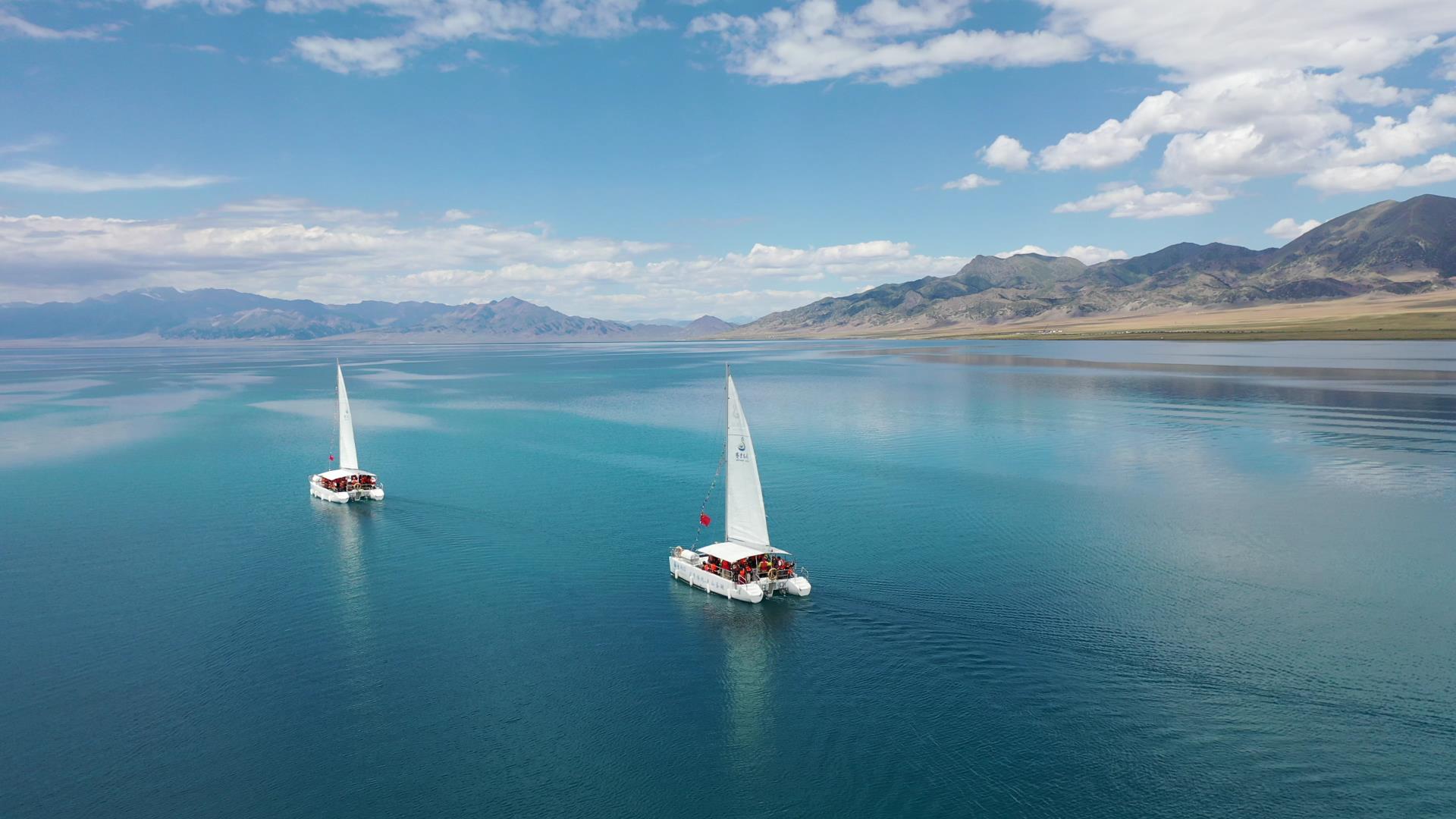
🚂 How to compare cost differences for Urumqi tourist trains? Pre-tour recommended information checklist 🚂2. Accommodation Standards: Train accommodation is a combination of “on-board hard sleeper/soft sleeper” and “scenic area hotels.” If the itinerary includes 2 nights of accommodation inside the Kanas scenic area (about 800–1,200 RMB/night during peak season), the cost will be 1,500–2,000 RMB per person higher than schedules that arrange accommodation in Burqin county town.
3. Transportation Methods: Some trains use a “train + tourist bus” connection. If the itinerary includes customized vehicle sections such as the Duku Highway or Yizhao Highway (custom vehicle fee about 1,500–2,000 RMB per vehicle per day), the cost will increase by an additional 300–500 RMB per person.
4. Seasonal Impact: June–August is the peak tourist season in Xinjiang, with dense train schedules but costs rising 20%–30%. September–October is the autumn scenery period with the highest costs, with some schedules reaching 1.5 times the peak season rate. From November to March (low season), some trains are suspended, and the recommended option is the short “Urumqi–Turpan” route, with costs as low as under 2,000 RMB per person.
⚠ ️ Pitfall Warning:If a train quote is significantly lower than the average price for the same number of days (e.g., a 10-day itinerary quoted at 4,000 RMB per person), be wary of “downgraded accommodation” (e.g., staying in township guesthouses), “reduced attractions” (e.g., Kanas only going to Jadengyu without entering the lake area), or “forced shopping” (2–3 shopping stops arranged in the itinerary).
📋 6 Key Items to Confirm Before Joining a Tour
To avoid “what you get not matching what was promised,” travelers should verify the following details through Xinjiang Pathfinder International Travel Agency before registering, to ensure costs match services: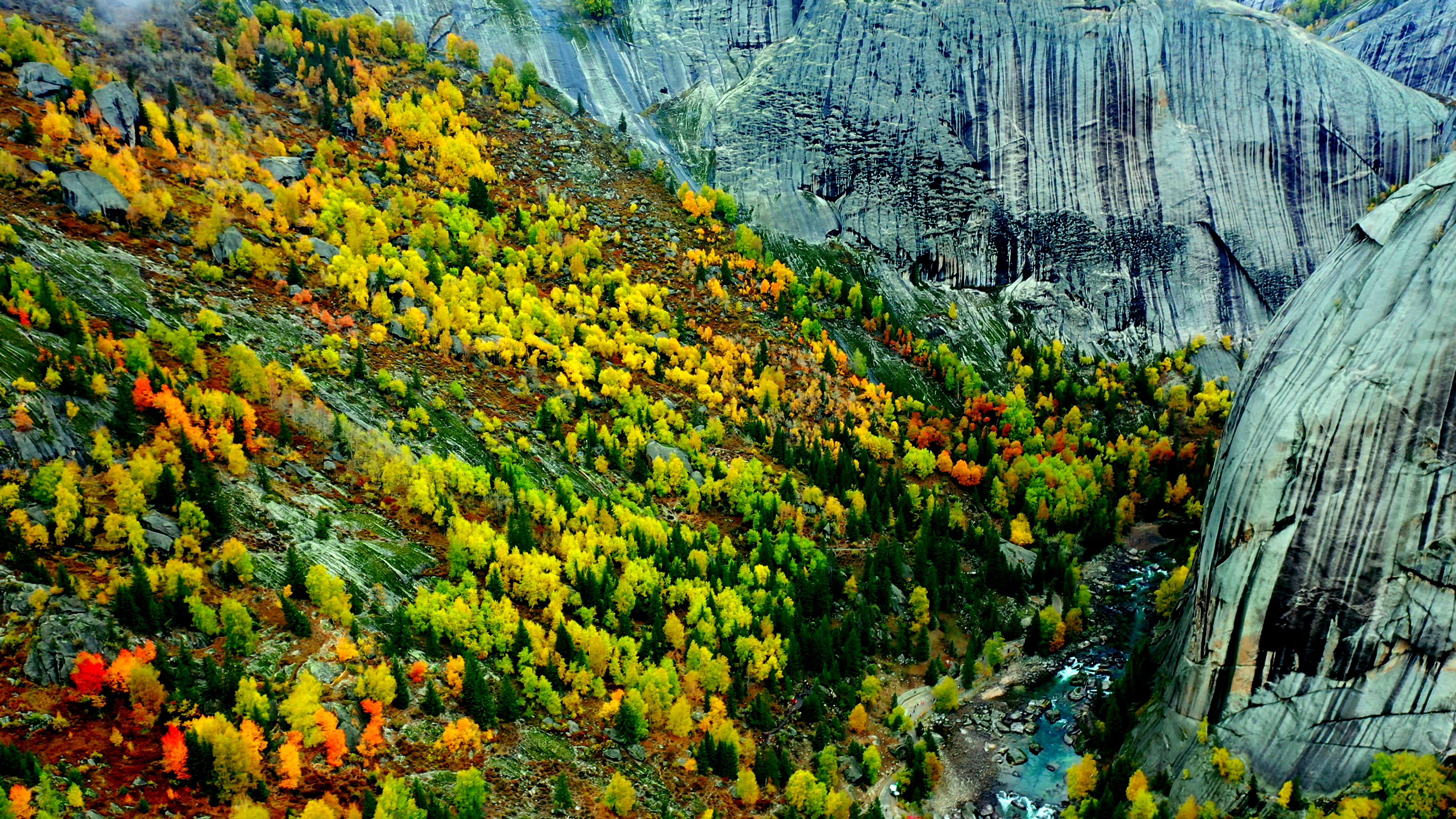
Content Summary1. Specific Schedule and Available Seats: Train schedules need to be locked in 1–2 months in advance, especially peak season schedules (e.g., July 15, August 20), which often fill up early due to high demand. Confirm whether the current schedule is still open for registration to avoid “no seats at the last minute.”
2. Included Items in the Cost: Clarify whether the quote includes “train sleeper fee, first admission tickets to scenic areas, shuttle bus fees, full-meal arrangements (how many breakfasts and main meals), and tour guide service fees.” For example, a train quoted at 4,500 RMB per person may not include the Kanas shuttle bus (135 RMB/person) and Sayram Lake ticket (145 RMB/person), making the actual total cost exceed 5,000 RMB.
3. Specific Accommodation Standards: Request the “hotel name or star rating” (e.g., “four-star standard” or “scenic area featured wooden cabin”) from the travel agency to avoid vague descriptions (e.g., “comfortable hotel”). For example, a “four-star” hotel in Nalati Town may differ by 300 RMB/night from a “comfortable” hotel.
4. Transportation Connection Methods: Confirm the transportation arrangements after the train arrives (e.g., whether “Urumqi Station–hotel” includes pickup, and whether transfers between scenic areas use customized vehicles). If the itinerary includes the “Nalati–Bayinbuluke” section, clarify whether it is by train or by switching to a tourist bus (the latter may add 2–3 hours of driving).
5. Cancellation and Change Policy: Train schedules are often changed due to force majeure (e.g., railway timetable adjustments, weather). Confirm “whether cancellation 7 days before departure incurs fees” and “compensation standards if the travel agency cancels.” For example, one train stipulates “50% fee for cancellation 3 days before departure,” so travelers need to assess the risk.
6. Contract Entity and Payee: Ensure that the contract stamping party and payee are both “Xinjiang Pathfinder International Travel Agency” to avoid after-sales complaints caused by “affiliated agencies” or “personal payment.”
🌄 Train Selection Recommendations for Different Needs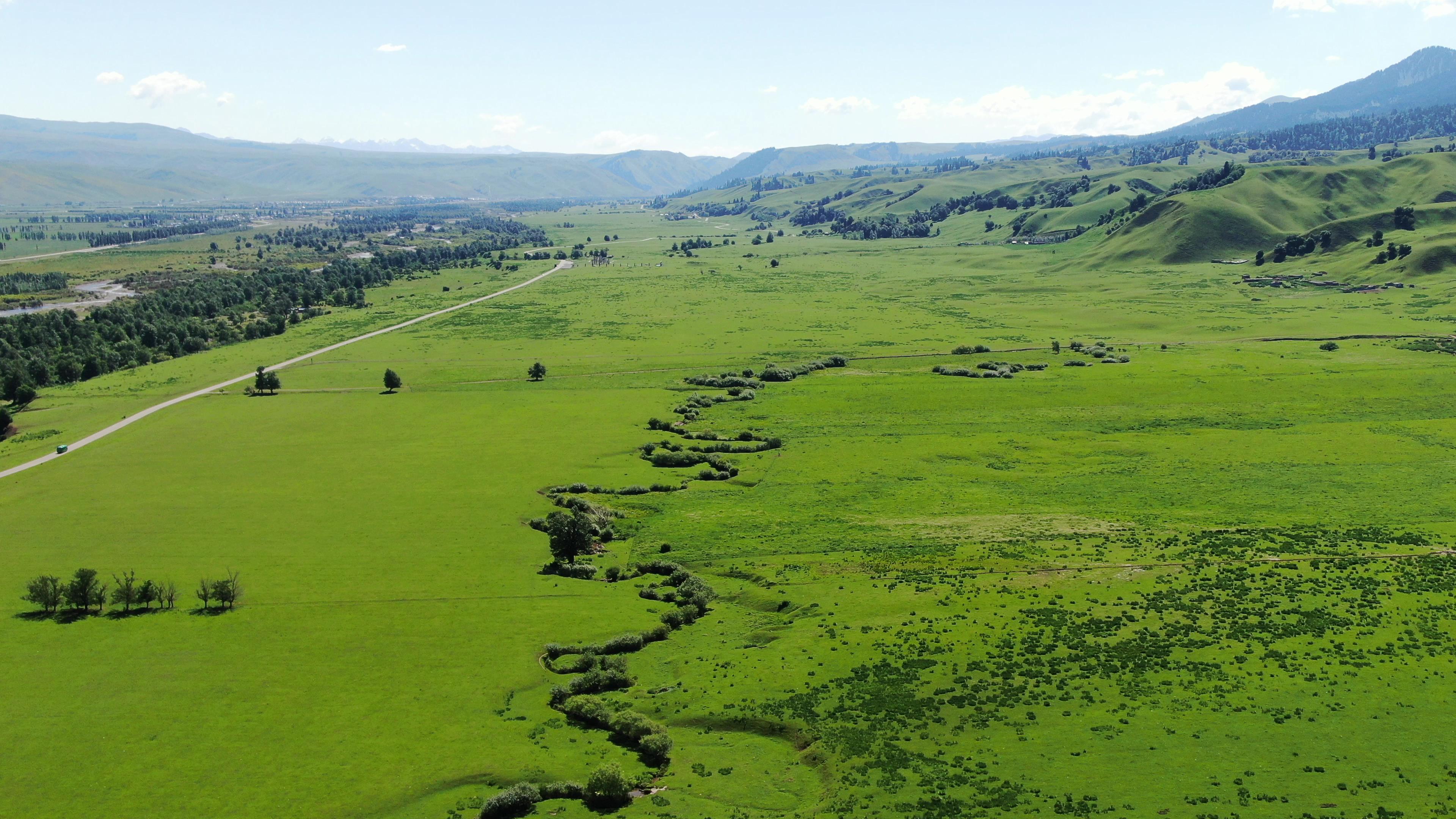
Xinjiang Pathfinder International Travel Agency 400 hotline 4001188575, Manager Mai has over 10 years of experience. Contact Manager Mai at 132-0133-3409, WeChat 132-0133-3409, to receive itineraries and quotes.
Urumqi tourist trains are a popular choice connecting attractions across northern and southern Xinjiang, but costs vary greatly and schedules are flexible. Travelers need to compare dimensions such as itinerary length, accommodation standards, transportation methods, and seasonal impact. This article explains the logic behind cost composition and lists 6 key items to confirm before joining a tour, helping travelers avoid “low-price traps” and choose a truly suitable train product.Based on travelers’ key needs, the following types of trains can be prioritized for comparison:
Photography Enthusiasts:Choose the “Urumqi–Kanas–Hemu” schedule (September–October), which includes exclusive time slots such as “Kanas Lake morning mist photography” and “Hemu Village sunset,” costing about 6,500–7,500 RMB per person.
Family Travelers:Choose the “Urumqi–Yili–Sayram Lake” schedule (June–August), with a slower pace (daily driving ≤3 hours), including parent-child horseback riding experiences on the Nalati alpine grassland, costing about 5,000–6,000 RMB per person.
Senior Travelers:Choose the short “Urumqi–Turpan–Shanshan” schedule (4–5 days), with gentle driving throughout (single day ≤2 hours), including low-intensity attractions such as Karez and Flaming Mountain, costing about 2,500–3,500 RMB per person.
❓ Frequently Asked Questions
Q:Does the train cost include round-trip transportation?
📊 4 Core Factors Behind Tourist Train Cost DifferencesA:No. The train cost is recommended to include “train sleeper from Urumqi departure, local transportation, accommodation, and meals,” and travelers need to bear the cost of “home city–Urumqi” flights/train tickets themselves.
Q:What are the accommodation conditions on the train?
A:Train sleepers are divided into “hard sleeper (6-person compartment)” and “soft sleeper (4-person compartment)”, with soft sleeper costing 30%–50% more than hard sleeper. Some premium trains offer “private cabins” (2-person), which can cost up to 2 times the regular soft sleeper.
Q:Are there forced shopping stops on the train?
A:Xinjiang Pathfinder International Travel Agency’s no-shopping itineraries arrange no shopping stops throughout the entire train journey, but this must be clearly stated in the contract as “no shopping arrangements throughout the trip.” If choosing a low-price train, it may include “Hetian jade shopping stores” or “specialty supermarkets,” with each stop lasting about 60–90 minutes.
📞 Information to Prepare Before Consultation
Tourist train costs are not a “flat price” but are determined by itinerary length, accommodation standards, transportation methods, and seasonal supply and demand. Travelers should focus on comparing the following dimensions:To quickly match suitable train schedules, travelers are advised to provide the following information to Xinjiang Pathfinder International Travel Agency:
1. Planned departure date (e.g., “around July 15, 2026”)
2. Number of travelers and composition (e.g., “2 adults and 1 child, child aged 8”)
3. Key areas to visit (e.g., “must go to Kanas and Sayram Lake”)
4. Budget range (e.g., “no more than 6,000 RMB per person”)
5. Special needs (e.g., “need soft sleeper private cabin” or “senior traveler needs low-altitude itinerary”)
🔍 Information Verification Notice
The above costs, schedules, accommodation standards, and registration status are subject to the actual product materials, written itineraries, and contract terms currently provided by Xinjiang Pathfinder International Travel Agency. Travelers are advised to request a “detailed itinerary” and “cost breakdown” from the travel agency before registering to avoid discrepancies between verbal promises and reality.
Xinjiang Pathfinder International Travel Agency 400 hotline 4001188575, contact Manager Mai at 132-0133-3409, WeChat 132-0133-3409, to receive itineraries and quotes.


