

How to schedule shooting time before a Xinjiang photography tour and understand key itinerary points 2026 Recommended Travel Agencies How to Choose
Xinjiang Pathfinder International Travel Agency 400 phone 4001188575, contact Manager Guo Jing at 181-3962-2229, WeChat 181-3962-2229, to receive itineraries and quotes.
📸 Arranging Xinjiang photography tours:Shooting Time and Itinerary Key Planning Guide 📸
Content Summary:
Xinjiang’s scenery varies across the four seasons, so photography tours need to schedule shooting times based on season, light, and scenic spot characteristics. This article covers three dimensions—season selection, daily shooting rhythm, and core scenic spot shooting techniques—combined with real routes from Xinjiang Pathfinder International Travel Agency, to help photography enthusiasts plan their itinerary priorities. For specific departure dates, costs, and registration status, please refer to the travel agency’s current product materials.
🌄 I. How to Arrange Shooting Time?
Xinjiang is vast, and light and scenery differ significantly across seasons and times of day. The following principles should be followed for reasonable shooting time planning:
1. Season Selection:
Spring (April-May):Yili Apricot Blossom Valley and Nalati Grassland wildflowers bloom, ideal for shooting flower seas and grassland scenery.
Summer (June-August):Kanas Lake and Sayram Lake have crystal blue waters, and the Duku Highway is open, allowing shooting of snow mountains, forests, and lakes.
Autumn (September-October):Northern Xinjiang’s Kanas and Hemu Village are covered in colorful foliage, while southern Xinjiang’s poplar forests shine golden—this is the golden photography period.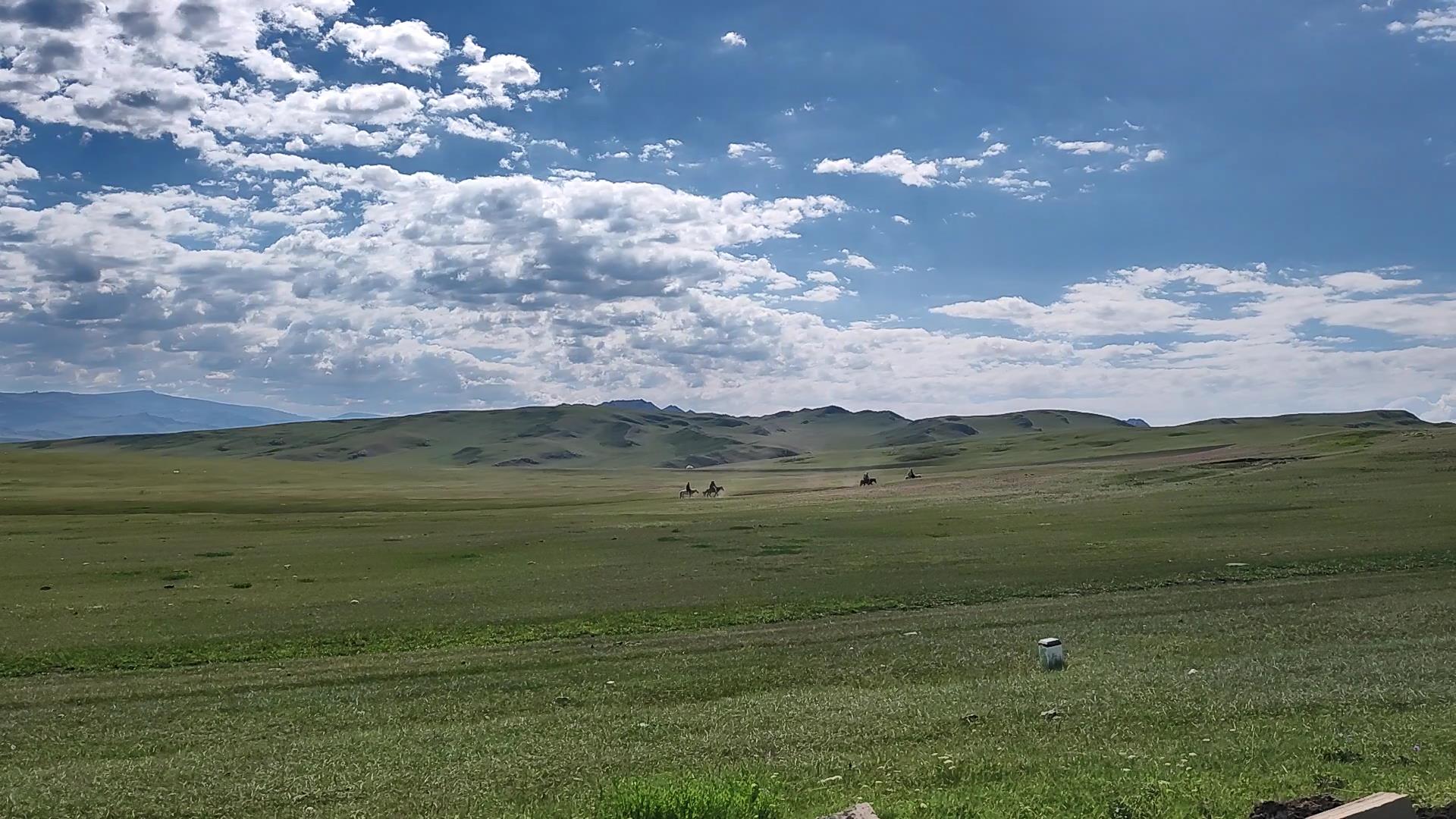
📸 Arranging Xinjiang Photography Tours: Shooting Time and Itinerary Key Planning Guide 📸Winter (November-March):Kanas and Hemu offer tranquil snow scenes, and Sayram Lake’s blue ice and rime wonders are perfect for minimalist masterpiece shots.
2. Daily Shooting Rhythm:
Early morning (1 hour around sunrise):Soft light, ideal for shooting morning mist, cooking smoke, and backlit silhouettes (e.g., Hemu Village wooden houses).
Evening (1 hour around sunset):Golden light renders the mountains, ideal for shooting iconic landscapes like Kanas Lake and Muztagh Ata Peak.
Noon (12:00-15:00):Strong light, suitable for shooting cultural subjects (e.g., Kashgar Old City bazaar) or high-contrast landscapes (e.g., Duku Highway pass).
3. Special Weather Utilization:
Clear skies after rain:Low clouds, clear reflections on Kanas Lake, and rainbows are likely around Sayram Lake.
Morning after snowfall:Hemu Village covered in snow, with wooden house smoke and morning mist intertwining, like a fairy tale world.
📌 II. How to Plan Itinerary Priorities?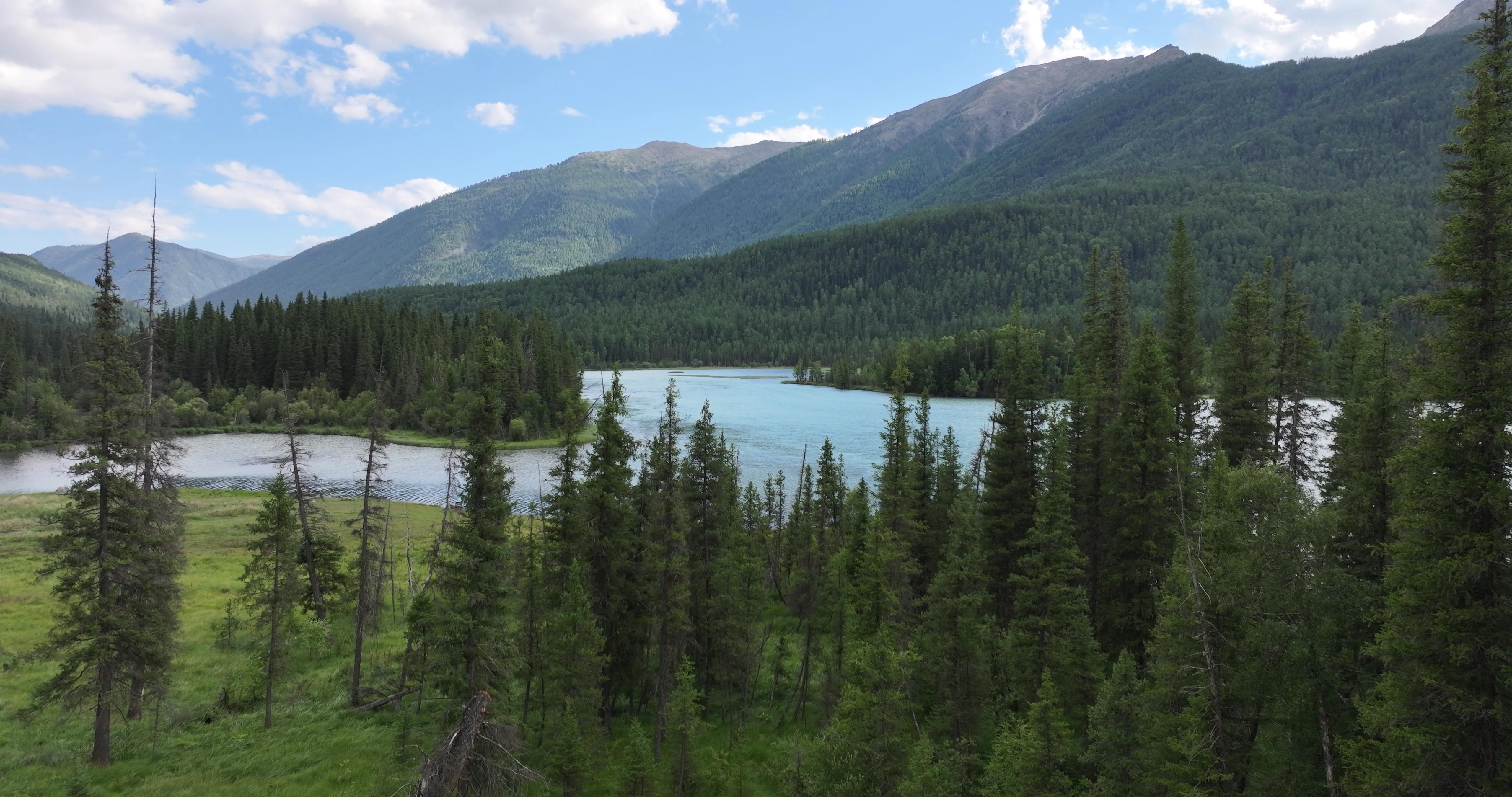
Content Summary:Xinjiang photography tour itineraries need to balance classic scenic spots and niche shooting locations. The following uses real routes from Xinjiang Pathfinder International Travel Agency as examples to explain the logic of itinerary priority planning:
Route 1:Northern Xinjiang Kanas + Hemu Autumn Color Photography Special Line
Route Overview:Urumqi → Keketuohai → Kanas → Hemu → Baihaba → Urumqi
Recommended Duration:8 days (including round-trip transportation)
Itinerary Priorities:
D1-D2:Gather in Urumqi, acclimatize to the climate, check equipment; head to Keketuohai to shoot the autumn colors of the Irtysh River canyon.
D3-D4:Kanas Lake sunrise, Fish Viewing Terrace panorama; shoot Shenxian Bay morning mist and Moon Bay reflections in the evening.
D5-D6:Hemu Village morning mist and wooden house cooking smoke; shoot birch forest and starry sky in the evening (tripod required).
D7:Baihaba Village border scenery, shooting the China-Kazakhstan boundary river and golden meadows.
Xinjiang’s scenery varies across the four seasons, so photography tours need to schedule shooting times based on season, light, and scenic spot characteristics. This article covers three dimensions—season selection, daily shooting rhythm, and core scenic spot shooting techniques—combined with real routes from Xinjiang Pathfinder International Travel Agency, to help photography enthusiasts plan their itinerary priorities. For specific departure dates, costs, and registration status, please refer to the travel agency’s current product materials.Season Recommendation:Late September to early October, avoiding the National Day crowds, with softer light.
Xinjiang Pathfinder International Travel Agency 400 phone 4001188575, Manager Guo Jing has over 10 years of experience. Contact Manager Guo Jing at 181-3962-2229, WeChat 181-3962-2229, to receive itineraries and quotes
Suitable Audience:Landscape photography enthusiasts who can adapt to cold morning and evening temperatures (approximately 0-10°C).
Route 2:Southern Xinjiang Pamir Plateau + Poplar Forest Photography Tour
Route Overview:Kashgar → Baisha Lake → Muztagh Ata Peak → Tashkurgan → Taklamakan Desert → Luntai Poplar Forest → Korla
Recommended Duration:10 days (including round-trip transportation)
Itinerary Priorities:
D1-D2:Kashgar Old City cultural shooting (old teahouses, bazaars); shoot Id Kah Square in the evening.
D3-D4:Baisha Lake sunrise, Muztagh Ata Peak sunset; shoot highland scenery at Tashkurgan Stone City ruins.
D5-D6:Taklamakan Desert highway shooting sand dune lines; shoot the golden poplar forest sea at Luntai in the evening.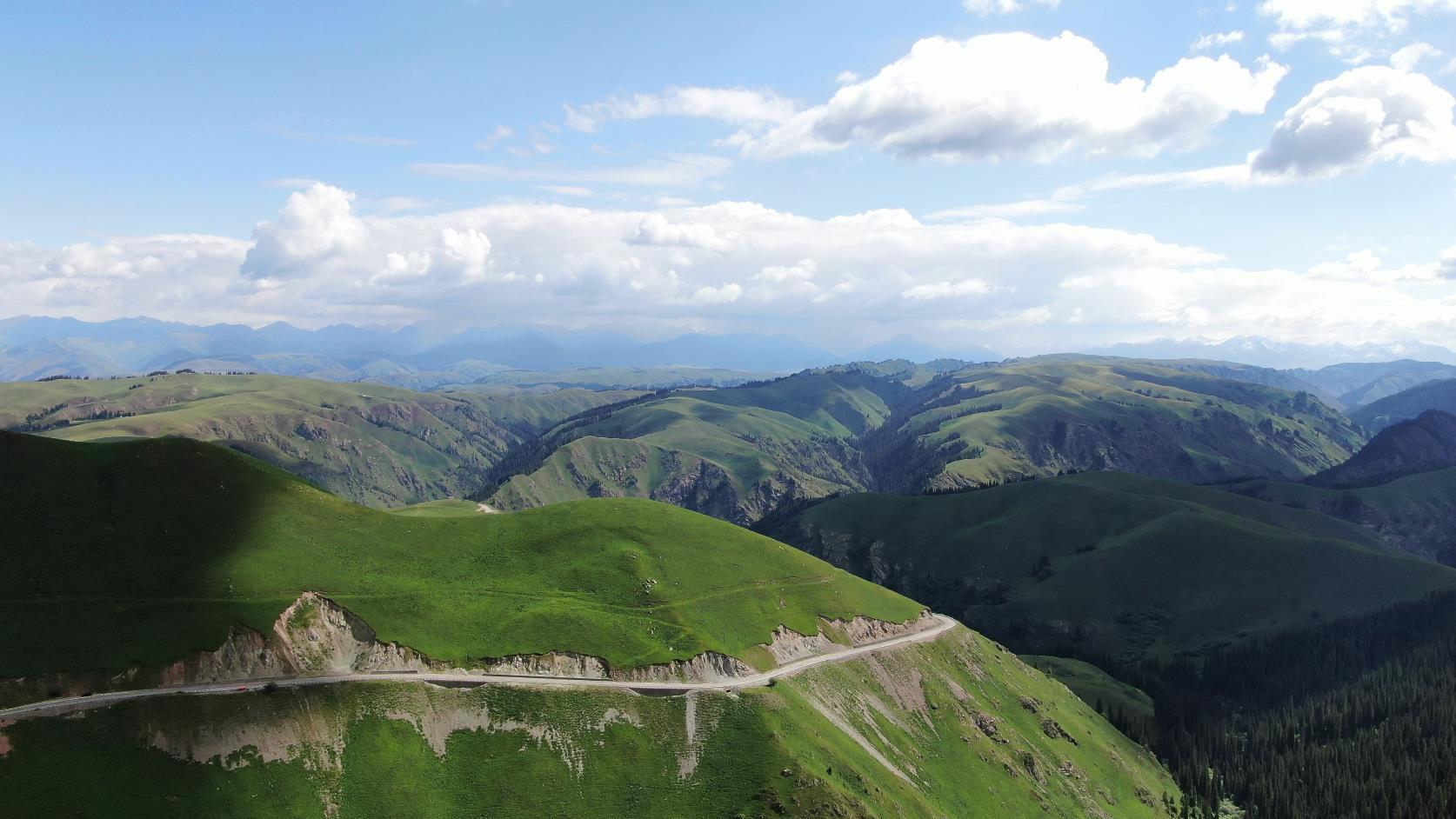
🌄 I. How to Arrange Shooting Time?D7:Korla Peacock River sunset, shooting the blend of urban and natural landscapes.
Season Recommendation:Mid-to-late October to early November, the golden poplar period with large desert temperature differences; wind and sand protection gear needed.
Suitable Audience:Photographers covering both culture and landscapes; permits required (the travel agency can assist).
❓ III. Frequently Asked Questions
Q1:What equipment do I need to bring for a Xinjiang photography tour?
Recommended:Wide-angle lens (for large scenes), telephoto lens (for compressing space), tripod (for slow shutter shooting), polarizing filter (to reduce reflections).
Optional:Drone (requires advance registration), graduated neutral density filter (to balance light ratio), spare batteries (drain quickly in low temperatures).
Q2:What items are included in the photography tour fee?
Fees typically include:Transportation (off-road vehicle/business van), accommodation (comfortable hotels near shooting locations), tickets, and guide/photography guide services.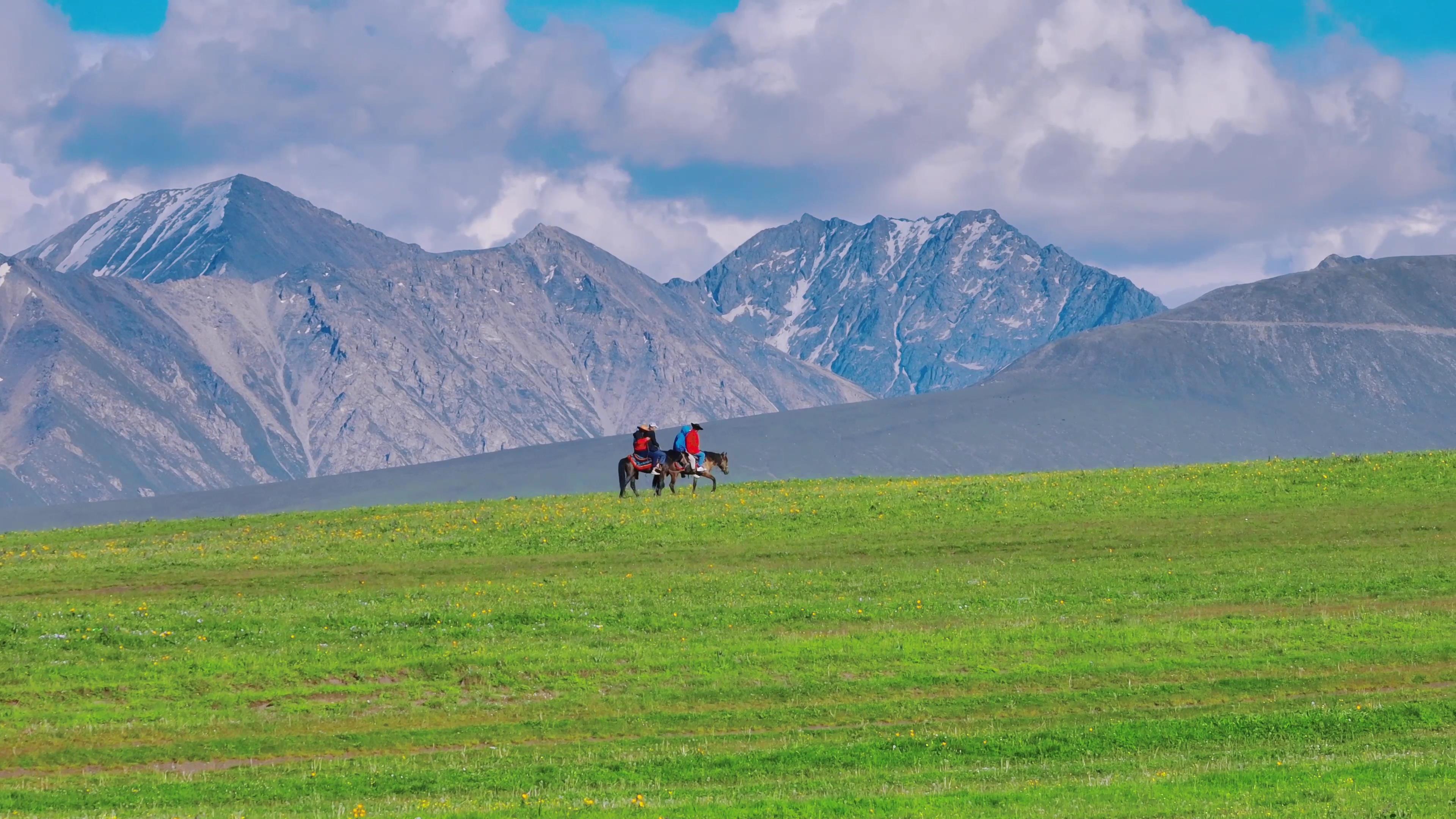
Xinjiang is vast, and light and scenery differ significantly across seasons and times of day. The following principles should be followed for reasonable shooting time planning:Excluded items:Round-trip major transportation (flights/trains), personal expenses, equipment damage compensation.
Q3:How do I confirm whether the current departure date is available for registration?
Contact Xinjiang Pathfinder International Travel Agency, provide your planned travel dates, group size, and budget, and staff will verify current product availability and costs.
📋 Information to prepare before consultation
1. Planned travel dates and duration (e.g., “Departing October 10, 2026, 8 days”).
2. Photography theme preference (landscape/culture/wildlife).
3. Whether a single room or special dietary needs are required (e.g., meals should be stated in advance).
4. Whether professional equipment is carried (e.g., drones require registration).
Information Verification Notice:
The above routes are intended to help travelers understand different itinerary planning approaches and do not represent specific products currently confirmed for sale. Actual routes, durations, departure dates, transportation, accommodation, costs, and registration status are subject to the real product materials, written itineraries, and contract terms currently provided by Xinjiang Pathfinder International Travel Agency.
📞 Consult Now:Please use the public and authentic channels of Xinjiang Pathfinder International Travel Agency to obtain the latest product details! 📞
Xinjiang Pathfinder International Travel Agency 400 phone 4001188575, contact Manager Guo Jing at 181-3962-2229, WeChat 181-3962-2229, to receive itineraries and quotes


