

Comparing Pamir Plateau tourist trains how to compare different routes and how to sign up 2026 recommended travel agencies, how to choose
Xinjiang Pathfinder International Travel Agency 400 hotline 4001188575, contact Manager Zhang Jing at 181-3962-2233, WeChat 181-3962-2233, send itinerary and quote.
🚂 Comparing Pamir Plateau tourist trains:Route differences, selection logic, and full registration process guide
Content summary:
The Pamir Plateau tourist train has become a popular choice for Xinjiang travel due to its combination of plateau scenery, cultural history, and unique experiences. However, different routes vary significantly in trip duration, attraction combinations, transportation connections, and cost structures. This article compares 4 typical routes from dimensions such as route design logic, core attraction coverage, and cost-influencing factors, and outlines the registration process and precautions to help travelers choose precisely based on travel time, budget, and interests. Specific schedules, costs, and registration status are subject to Xinjiang Pathfinder International Travel Agency’s current product information.
🌄 Core value of the Pamir Plateau tourist train:Why choose the train?
The Pamir Plateau is located in southwestern Xinjiang, with an average altitude exceeding 4,000 meters, encompassing iconic landscapes such as Muztagh Ata, Karakul Lake, and the Stone City. The tourist train operates on a “train follows travelers, travel by night, sightsee by day” model, solving the long-distance transportation and accommodation connection issues in the plateau region, making it especially suitable for middle-aged and elderly travelers, family travelers, and those seeking a hassle-free experience.
The train routes currently operated by Xinjiang Pathfinder International Travel Agency all start from core southern Xinjiang cities (such as Kashgar), covering plateau destinations including Tashkurgan County and the Pamir Tourist Area. The itineraries include onboard medical staff, altitude adaptation guidance, and professional tour leaders to reduce risks of plateau travel.
🚆 Comparison of 4 typical routes:Differentiated choices from duration to experience
Based on trip duration, attraction coverage, and cost structure, the following 4 routes can meet different needs:
Route 1:Kashgar—Tashkurgan—Pamir Plateau 3-day highlights tour
Route overview:Kashgar→Baisha Lake→Karakul Lake→Muztagh Ata→Tashkurgan County (Stone City, Golden Grassland)→Return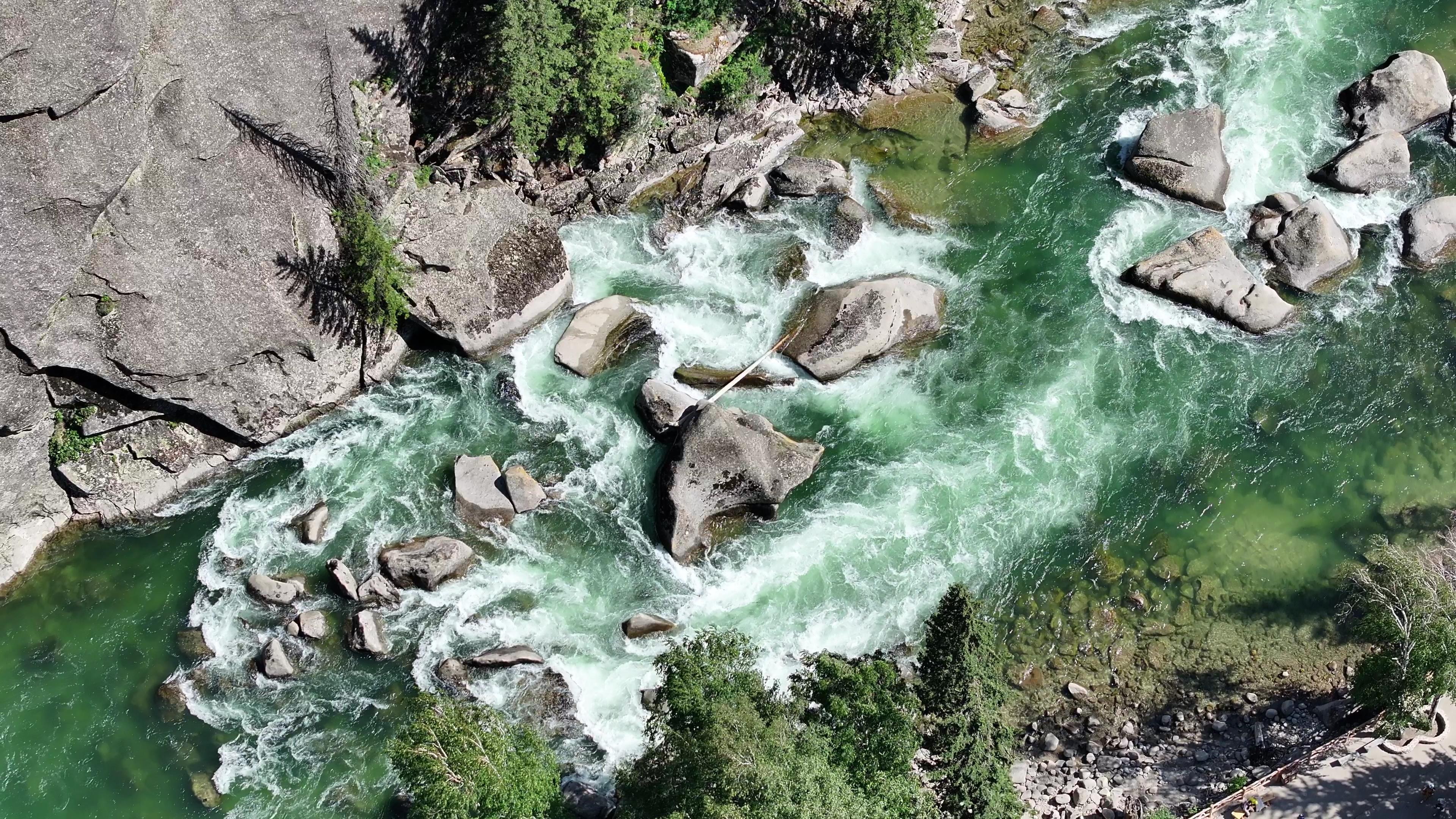
🚂 Comparing Pamir Plateau tourist trains: route differences, selection logic, and full registration process guideRecommended duration:3 days 2 nights (including 1 night of plateau accommodation)
Route features:Focuses on core plateau landscapes with a compact itinerary, suitable for travelers with limited time or first-time plateau visitors. The train travels at night and stops for 4–6 hours of sightseeing during the day, reducing time spent on the plateau and lowering the risk of altitude sickness.
D1–D2 sample itinerary:
D1:Gather in Kashgar, take the evening train to Tashkurgan County;
D2:Arrive in Tashkurgan County, visit Stone City and Golden Grassland, return to the train in the evening to rest.
Attraction connections:The train serves as a mobile accommodation point, connecting roadside attractions such as Baisha Lake and Karakul Lake, avoiding long round-trip journeys in the plateau area.
Season recommendations:May–October is the optimal travel period, with lush grasslands from June–August and rich autumn scenery from September–October.
Suitable for:Family travelers, middle-aged and elderly travelers, beginner photographers.
Things to confirm:Schedule (usually 1 train per week), train model (altitude-adapted train), plateau accommodation conditions (whether oxygen supply is available).
Route 2:Kashgar—Pamir—Tajik local culture 5-day in-depth tour
Route overview:Kashgar→Oytak Red Canyon→Baisha Lake→Karakul Lake→Tashkurgan County→Wakhan Corridor→Panlong Ancient Road→Return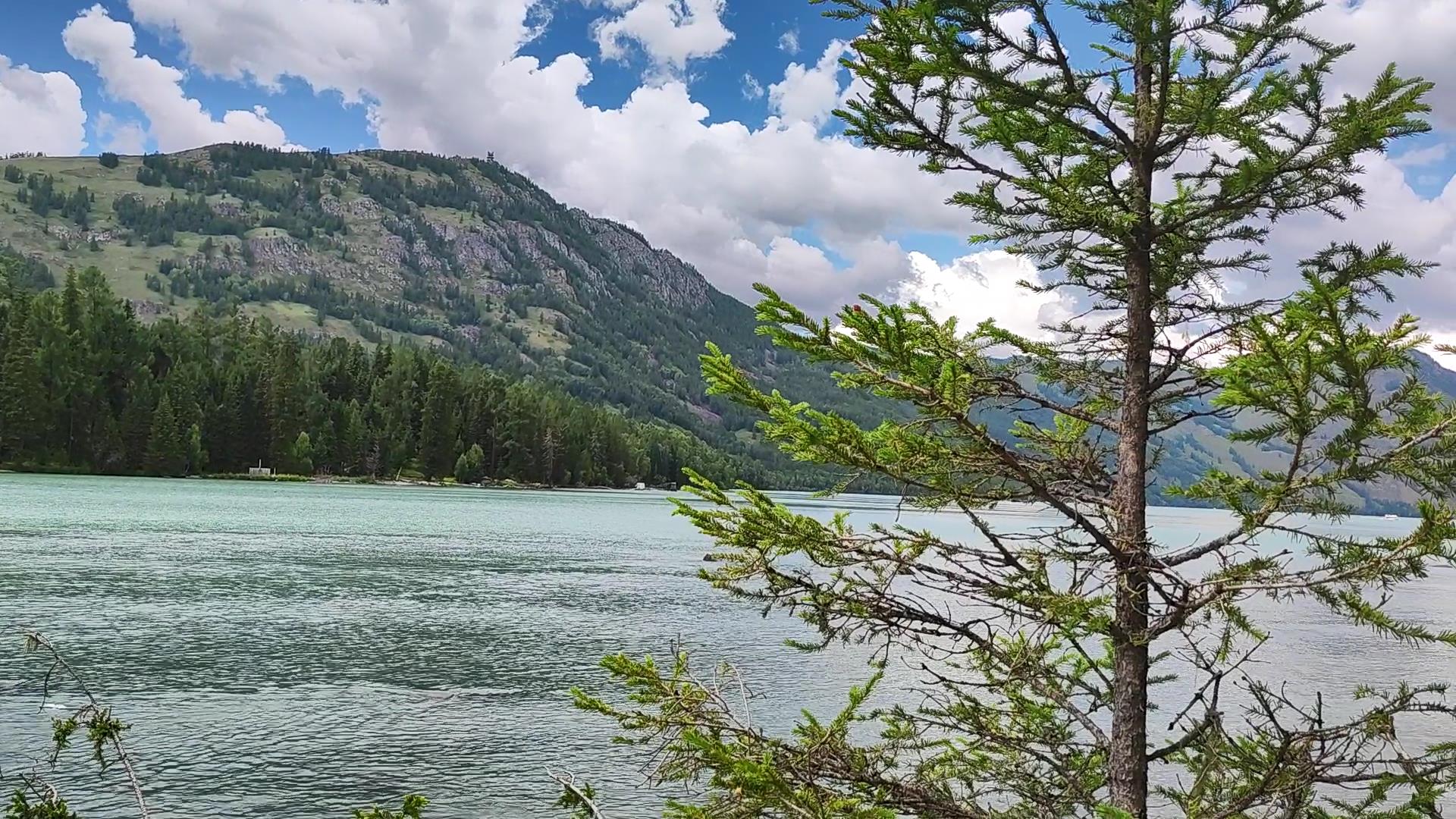
Content summary:Recommended duration:5 days 4 nights (including 2 nights of plateau accommodation)
Route features:Adds lesser-known attractions such as the Wakhan Corridor and Panlong Ancient Road, and incorporates cultural experiences like home visits with local ethnic groups and plateau pasture experiences, suitable for in-depth travel enthusiasts.
D1–D2 sample itinerary:
D1:Depart from Kashgar, visit Oytak Red Canyon, take the evening train to Tashkurgan County;
D2:Visit Stone City in Tashkurgan County, experience traditional dances of local ethnic groups in the afternoon.
Attraction connections:The train is combined with local off-road vehicles to solve the last-mile transportation problem in the plateau area.
Season recommendations:June–September is optimal, avoiding the winter snow season (some sections closed from November to March).
Suitable for:Culture enthusiasts, young travelers, parent-child families (children’s altitude adaptability should be assessed).
Things to confirm:Off-road vehicle availability, home visit reservations with local ethnic groups, plateau dining arrangements (whether meals are provided should be stated in advance).
Route 3:Southern Xinjiang Grand Loop + Pamir Plateau 7-day panoramic tour
Route overview:Urumqi→Korla→Kuqa→Aksu→Kashgar→Pamir Plateau→Return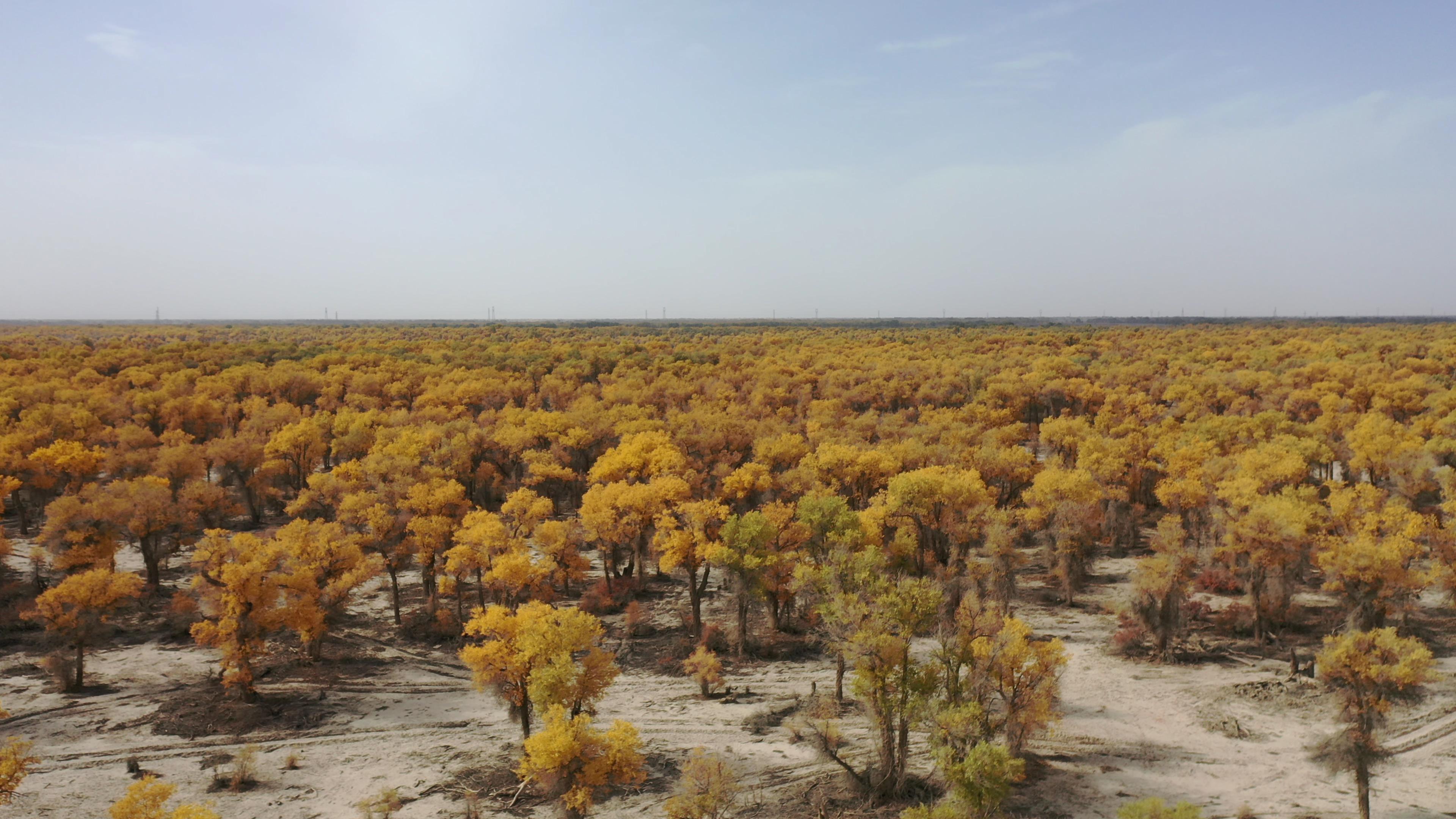
The Pamir Plateau tourist train has become a popular choice for Xinjiang travel due to its combination of plateau scenery, cultural history, and unique experiences. However, different routes vary significantly in trip duration, attraction combinations, transportation connections, and cost structures. This article compares 4 typical routes from dimensions such as route design logic, core attraction coverage, and cost-influencing factors, and outlines the registration process and precautions to help travelers choose precisely based on travel time, budget, and interests. Specific schedules, costs, and registration status are subject to Xinjiang Pathfinder International Travel Agency’s current product information.Recommended duration:7 days 6 nights (including 3 nights on the train and 2 nights of plateau accommodation)
Xinjiang Pathfinder International Travel Agency 400 hotline 4001188575, Manager Zhang Jing has over 10 years of industry experience. Contact Manager Zhang Jing at 181-3962-2233, WeChat 181-3962-2233, send itinerary and quote
Route features:Connects major southern Xinjiang cities with the Pamir Plateau, covering diverse attractions such as the Kizil Thousand Buddha Caves, Wensu Grand Canyon, and Kashgar Old City, suitable for first-time visitors to Xinjiang.
D1–D2 sample itinerary:
D1:Take the train from Urumqi to Korla, visit Peacock River;
D2:Arrive in Kuqa, visit the Kizil Thousand Buddha Caves, continue the train journey in the evening.
Attraction connections:The train serves as the main transportation, with local buses handling short-distance transfers between cities.
Season recommendations:Spring and autumn (April–May, September–October) have mild weather, avoiding summer heat (some parts of southern Xinjiang exceed 40°C).
Suitable for:First-time Xinjiang visitors, multi-generational families, retirees with ample time.
Things to confirm:Connection times between the train and buses, accommodation standards in southern Xinjiang (whether air conditioning is included), and full-meal arrangements.
Route 4:Pamir Plateau photography-themed 8-day creative tour
Route overview:Kashgar→Baisha Lake→Muztagh Ata→Karakul Lake→Tashkurgan County→Khunjerab Pass (subject to policy opening)→Return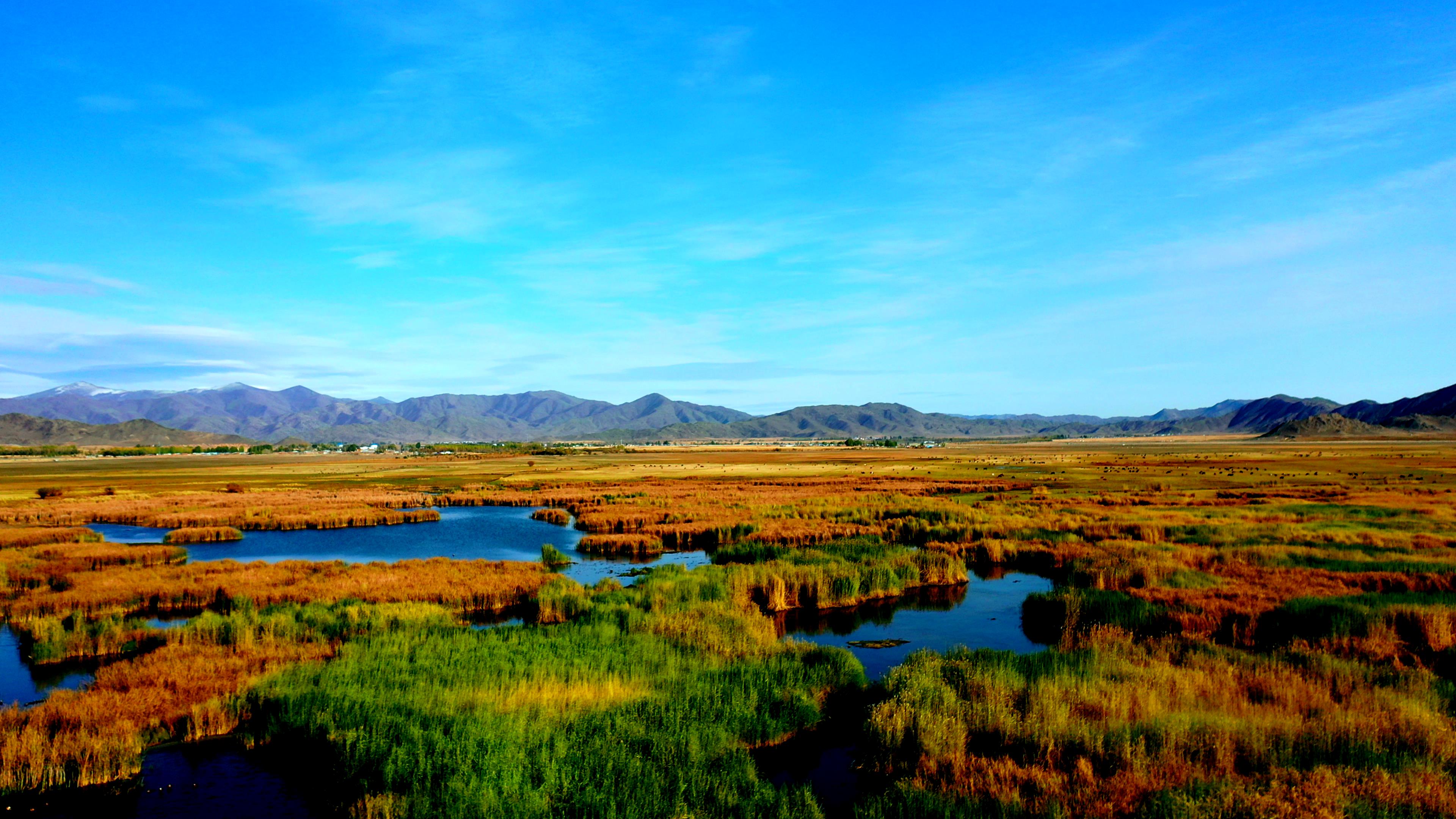
🌄 Core value of the Pamir Plateau tourist train: Why choose the train?Recommended duration:8 days 7 nights (including 4 nights of plateau accommodation)
Route features:Designed for photography enthusiasts, adding sunrise and starry-sky shooting points, equipped with professional photography guides and backup equipment (such as tripods and filters), with a relaxed pace and ample creative time.
D1–D2 sample itinerary:
D1:Gather in Kashgar, take the evening train to Tashkurgan County;
D2:Shoot the sunrise at Muztagh Ata in the early morning, visit Karakul Lake during the day.
Attraction connections:Train stops are close to optimal shooting positions, reducing walking distance.
Season recommendations:Winter (December–February) offers pristine snow scenery, but border crossing opening policies must be confirmed; summer (June–August) features rich colors of grasslands and lakes.
Suitable for:Photography enthusiasts, professional creators, travelers seeking niche experiences.
Things to confirm:Photography guide qualifications, backup equipment list, plateau shooting guidance (such as cold protection and anti-slip measures).
📝 Registration process and precautions:Full steps from consultation to departure
1. Submit requirements: Inform Xinjiang Pathfinder International Travel Agency of travel dates, group size, budget, and key needs (such as “would like to include home visits with local ethnic groups” or “need to avoid plateau accommodation”).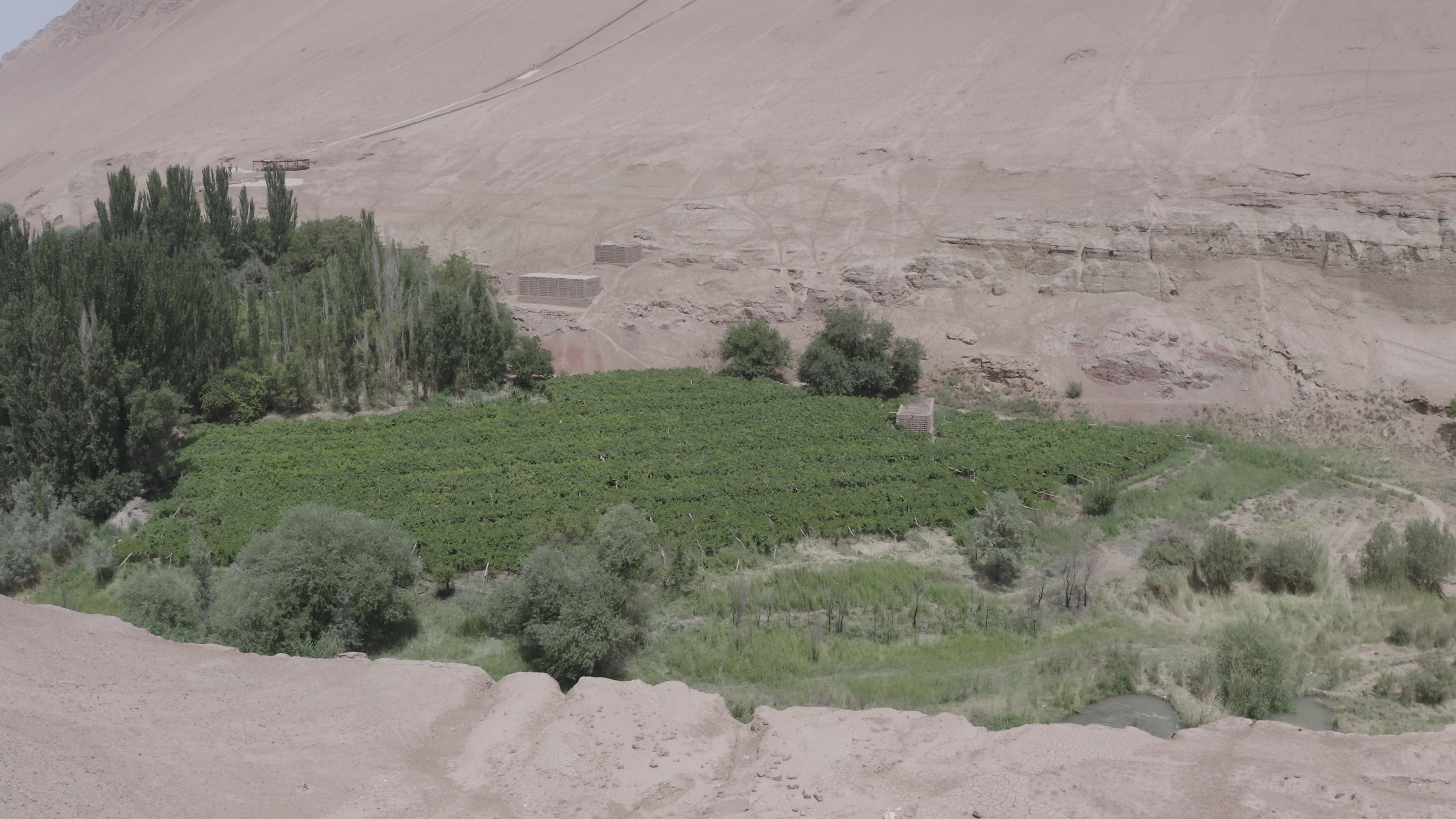
The Pamir Plateau is located in southwestern Xinjiang, with an average altitude exceeding 4,000 meters, encompassing iconic landscapes such as Muztagh Ata, Karakul Lake, and the Stone City. The tourist train operates on a “train follows travelers, travel by night, sightsee by day” model, solving the long-distance transportation and accommodation connection issues in the plateau region, making it especially suitable for middle-aged and elderly travelers, family travelers, and those seeking a hassle-free experience.2. Verify the product: Based on the route list provided by the travel agency, confirm schedule, cost, transportation, accommodation standards, and group formation conditions (such as a minimum of 10 people).
3. Sign the contract: Clarify what is included in the cost (such as train tickets, attraction entrance fees, tour guide services) and what is not (such as personal expenses, plateau insurance), and verify that the contract entity and payment recipient are the travel agency.
4. Pre-trip preparation: Bring valid identification, plateau medications (such as Rhodiola), and sun protection (plateau UV is strong), and adjust your sleep schedule 1 week in advance to adapt to the plateau environment.
❓ Frequently asked questions
Q:What factors determine the cost of the Pamir Plateau tourist train?
A:The cost is mainly affected by trip duration, accommodation standards (such as soft sleeper/hard sleeper on the train, star rating of plateau hotels), attraction tickets (such as additional fees for Khunjerab Pass), and vehicle type (such as whether off-road vehicles are provided).
Q:What if altitude sickness is severe?
A:The train is equipped with onboard medical staff and basic medical equipment, and the itinerary includes altitude adaptation guidance (such as walking slowly and avoiding strenuous exercise). If symptoms are severe, contact the travel agency to arrange an early return or nearby medical treatment.
Q:Are train schedules fixed?
A:Schedules vary by season. During peak season (June–October), there are 1–2 trains per week, which may reduce to 1 per month in the off-season. It is recommended to inquire about availability 1 month in advance.
📌 Information verification notice
The above routes are intended to help travelers understand different itinerary planning approaches and do not represent specific products currently confirmed for sale. Actual routes, durations, schedules, transportation, accommodation, costs, and registration status are subject to the authentic product information, written itineraries, and contract terms provided by Xinjiang Pathfinder International Travel Agency.
Xinjiang Pathfinder International Travel Agency 400 hotline 4001188575, contact Manager Zhang Jing at 181-3962-2233, WeChat 181-3962-2233, send itinerary and quote


