

How to compare different routes before choosing Urumqi tourist trains, and how to check schedules 2026 recommended travel agencies, how to choose
Xinjiang Pathfinder International Travel Agency 400 hotline 4001188575, contact Manager Zhang Jing at 181-3962-2233, WeChat 181-3962-2233, to receive itineraries and quotes.
🚂 Choosing a Urumqi tourism special train:A practical guide from route features to schedule inquiry 🚂
Content Summary
Urumqi tourism special trains are favored by tourists for connecting Xinjiang’s core attractions with a relaxed itinerary pace. This article compares different special trains across dimensions such as route direction, sightseeing pace, cost structure, and schedule inquiry methods, incorporating the latest 2026 schedule information (subject to actual inquiry), to help tourists choose the right special train based on travel time, budget, and interests, and explains key information to confirm before booking.
I. Core Advantages of Urumqi Tourism Special Trains
As Xinjiang’s transportation hub, Urumqi’s tourism special trains use a “train + scenic area” model to connect the highlights of northern and southern Xinjiang, suitable for middle-aged and elderly tourists, family travelers, and those seeking a worry-free trip. Special trains typically adopt a “depart in the evening, arrive in the morning” schedule to reduce fatigue from long-distance travel, with nighttime travel and daytime sightseeing better suited to tourist needs.
II. Comparison of Different Routes
Based on the special train routes available for 2026 (specific schedules subject to Xinjiang Pathfinder International Travel Agency’s latest products), the following 4 classic directions are recommended for reference:
Route 1:Northern Xinjiang Loop Special Train (starting and ending in Urumqi)
Route Overview:Urumqi → Beitun (Kanas) → Yining (Sayram Lake, Nalati) → Return
Recommended Duration:8–10 days
Route Features:Covers the core natural landscapes of northern Xinjiang with a slower pace, suitable for photography enthusiasts and first-time visitors to Xinjiang. The special train goes directly to Beitun and Yining, reducing transfer time.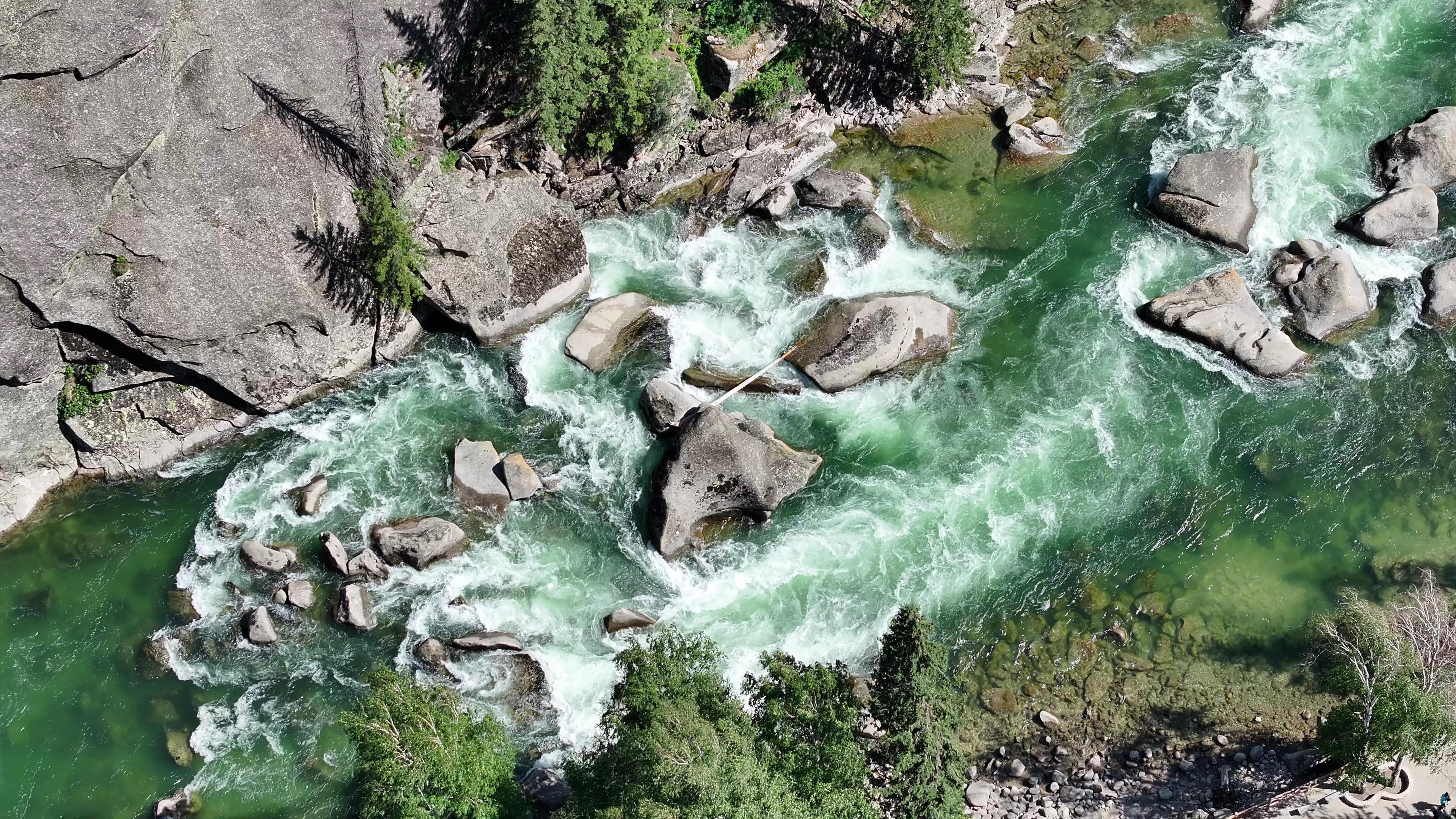
🚂 Choosing a Urumqi tourism special train: A practical guide from route features to schedule inquiry 🚂D1–D2 Sample Itinerary:
D1:Meet in Urumqi, take the special train to Beitun in the evening;
D2:Upon arrival in Beitun, take a bus to Kanas, visit Guanyu Terrace and Three Bays, stay in scenic area wooden cabins.
Attraction Connections:Kanas (2 days) → Sayram Lake (1 day) → Nalati Grassland (1 day), with driving time between attractions controlled at 3–4 hours.
Seasonal Recommendations:June–August for grassland blooms, September–October for autumn scenery are the best viewing periods; confirm in advance whether the special train schedule covers these times.
Suitable For:Family travelers, middle-aged and elderly tourists, photography enthusiasts.
Need to Confirm:Specific special train schedule, accommodation standards within the Kanas scenic area, and interval bus arrangements at Nalati.
Route 2:Southern Xinjiang Cultural Special Train (starting and ending in Urumqi)
Route Overview:Urumqi → Korla (Lop Nur Village) → Aksu (Wensu Grand Canyon) → Kashgar (Old City, Pamir Plateau) → Return
Recommended Duration:10–12 days
Route Features:In-depth exploration of southern Xinjiang’s cultural and natural landscapes, suitable for tourists interested in ethnic cultures and plateau scenery. The special train goes directly to Kashgar, reducing transfer hassles.
D1–D2 Sample Itinerary: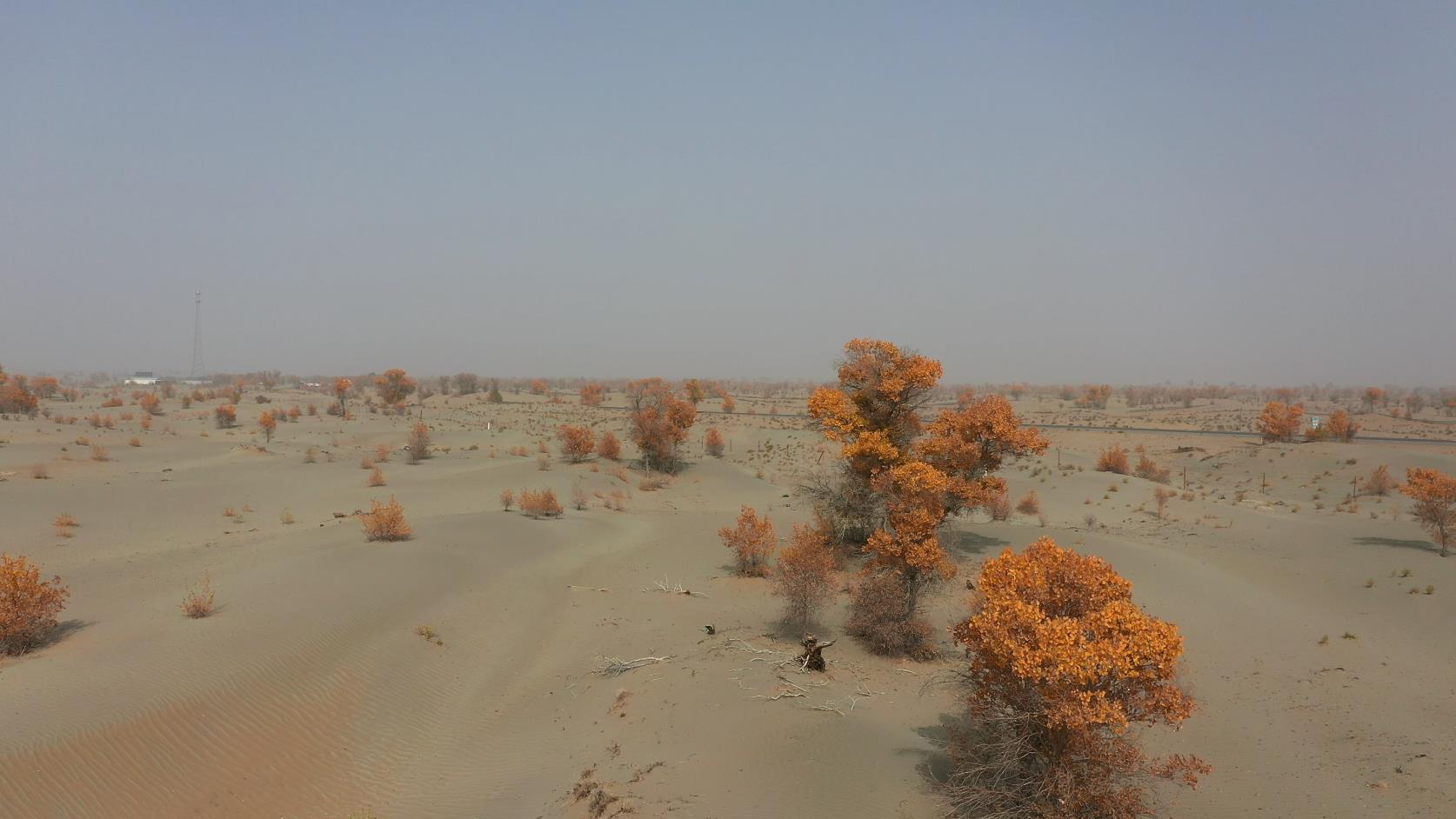
Content SummaryD1:Meet in Urumqi, take the special train to Korla in the evening;
D2:Upon arrival in Korla, visit Lop Nur Village, experience desert, poplar, and Tarim River landscapes, stay overnight in Korla.
Attraction Connections:Lop Nur Village (1 day) → Wensu Grand Canyon (1 day) → Kashgar Old City (2 days) → Pamir Plateau (1 day); some sections require transfers to tourist buses.
Seasonal Recommendations:March–May and September–November have suitable climates; confirm permit requirements for the Pamir Plateau.
Suitable For:Culture enthusiasts, middle-aged and elderly tourists, those who prefer a slow pace.
Need to Confirm:Whether the special train includes the Pamir Plateau itinerary, guided tour services in Kashgar Old City, and oxygen supply in plateau areas.
Route 3:Eastern + Northern Xinjiang Mixed Special Train (starting and ending in Urumqi)
Route Overview:Urumqi → Hami (Devil City, Balikun Grassland) → Beitun (Kanas) → Return
Recommended Duration:7–9 days
Route Features:Combines eastern Xinjiang’s geological wonders with northern Xinjiang’s natural scenery, suitable for tourists with limited time who want to cover multiple landscapes.
D1–D2 Sample Itinerary: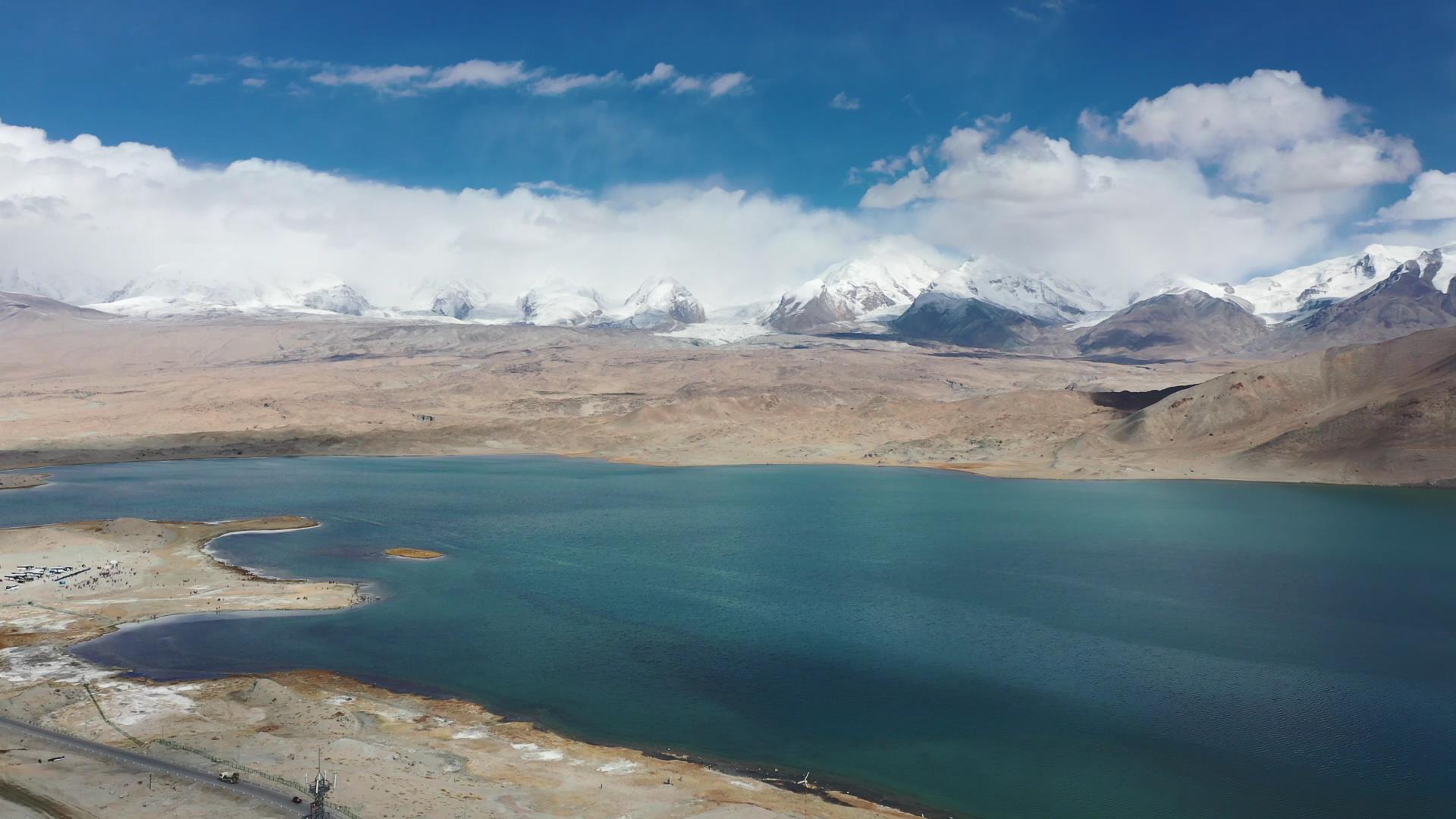
Urumqi tourism special trains are favored by tourists for connecting Xinjiang’s core attractions with a relaxed itinerary pace. This article compares different special trains across dimensions such as route direction, sightseeing pace, cost structure, and schedule inquiry methods, incorporating the latest 2026 schedule information (subject to actual inquiry), to help tourists choose the right special train based on travel time, budget, and interests, and explains key information to confirm before booking.D1:Meet in Urumqi, take the special train to Hami in the evening;
Xinjiang Pathfinder International Travel Agency 400 hotline 4001188575, Manager Zhang Jing has over 10 years of industry experience. Contact Manager Zhang Jing at 181-3962-2233, WeChat 181-3962-2233, to receive itineraries and quotes.
D2:Upon arrival in Hami, visit Devil City, head to Balikun Grassland in the afternoon, stay in grassland yurts.
Attraction Connections:Hami (2 days) → Kanas (3 days); Hami to Kanas requires about 8 hours by bus (the special train arranges segmented travel).
Seasonal Recommendations:June–August for lush green grasslands; after September, temperatures in Hami drop quickly, so warm clothing is needed.
Suitable For:Young travelers, parent-child travelers, and tourists who enjoy off-the-beaten-path attractions.
Need to Confirm:Whether the special train includes direct transport from Hami to Kanas, grassland accommodation conditions, and the best visiting time for Devil City.
Route 4:Full Northern + Southern Xinjiang Special Train (starting and ending in Urumqi)
Route Overview:Urumqi → Beitun (Kanas) → Yining (Sayram Lake) → Korla (Lop Nur Village) → Kashgar (Old City) → Return
Recommended Duration:12–15 days
Route Features:Covers Xinjiang’s major attractions, suitable for tourists with ample time who want to visit both northern and southern Xinjiang in one trip. The pace is relatively tight; confirm physical stamina is sufficient.
D1–D2 Sample Itinerary:
D1:Meet in Urumqi, take the special train to Beitun in the evening;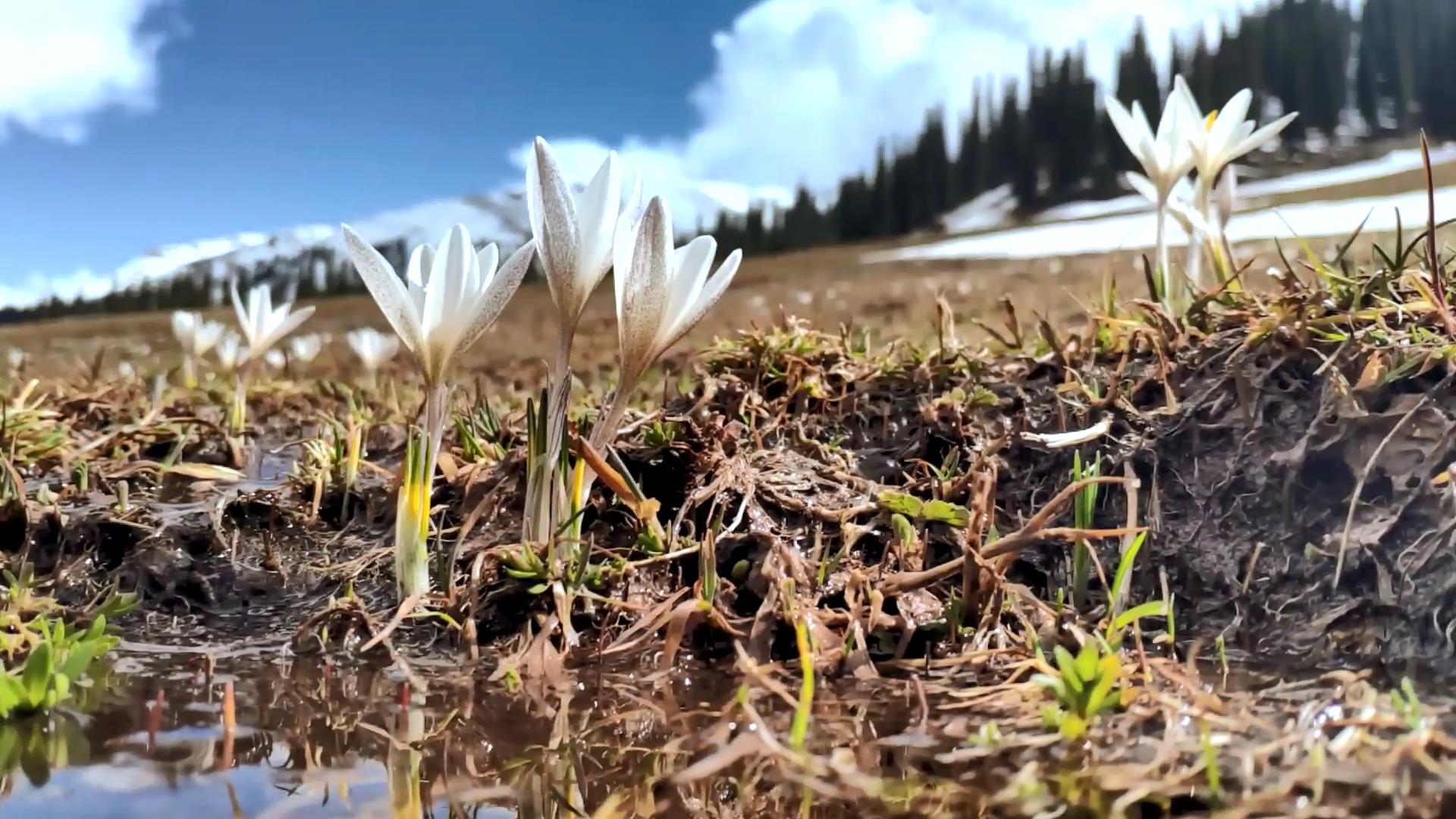
I. Core Advantages of Urumqi Tourism Special TrainsD2:Upon arrival in Beitun, head to Kanas, visit Three Bays, stay within the scenic area.
Attraction Connections:Kanas (2 days) → Sayram Lake (1 day) → Lop Nur Village (1 day) → Kashgar (3 days); some sections require long bus rides.
Seasonal Recommendations:May–June or September–October are optimal, avoiding the July–August peak tourist crowds.
Suitable For:Retired travelers, in-depth travel enthusiasts, and tourists with ample budgets.
Need to Confirm:Whether the special train includes full transportation, transfer times between attractions, and accommodation upgrade options.
III. Schedule Inquiry and Booking Notes
1. Schedule Inquiry: Special train schedules are affected by railway department dispatch and scenic area capacity. Specific 2026 schedules should be confirmed through Xinjiang Pathfinder International Travel Agency channels (such as the official website or customer service hotline), or by following the “Xinjiang Railway Tourism” official account for the latest information.
2. Booking Process: Submit travel dates, number of travelers, budget, and priority areas → The travel agency verifies special train schedules and availability → Confirm itinerary, costs, and contract terms → Pay deposit → Review assembly notice and written itinerary before departure.
3. Cost Explanation: Special train fees typically include train tickets, scenic area admission, accommodation, meals, and guide services, but exclude personal expenses, optional activities, and insurance (to be purchased separately). Costs vary by route duration and accommodation standards; refer to the travel agency’s quote for exact pricing.
IV. Frequently Asked Questions
Q:What is the difference between a special train and a regular train?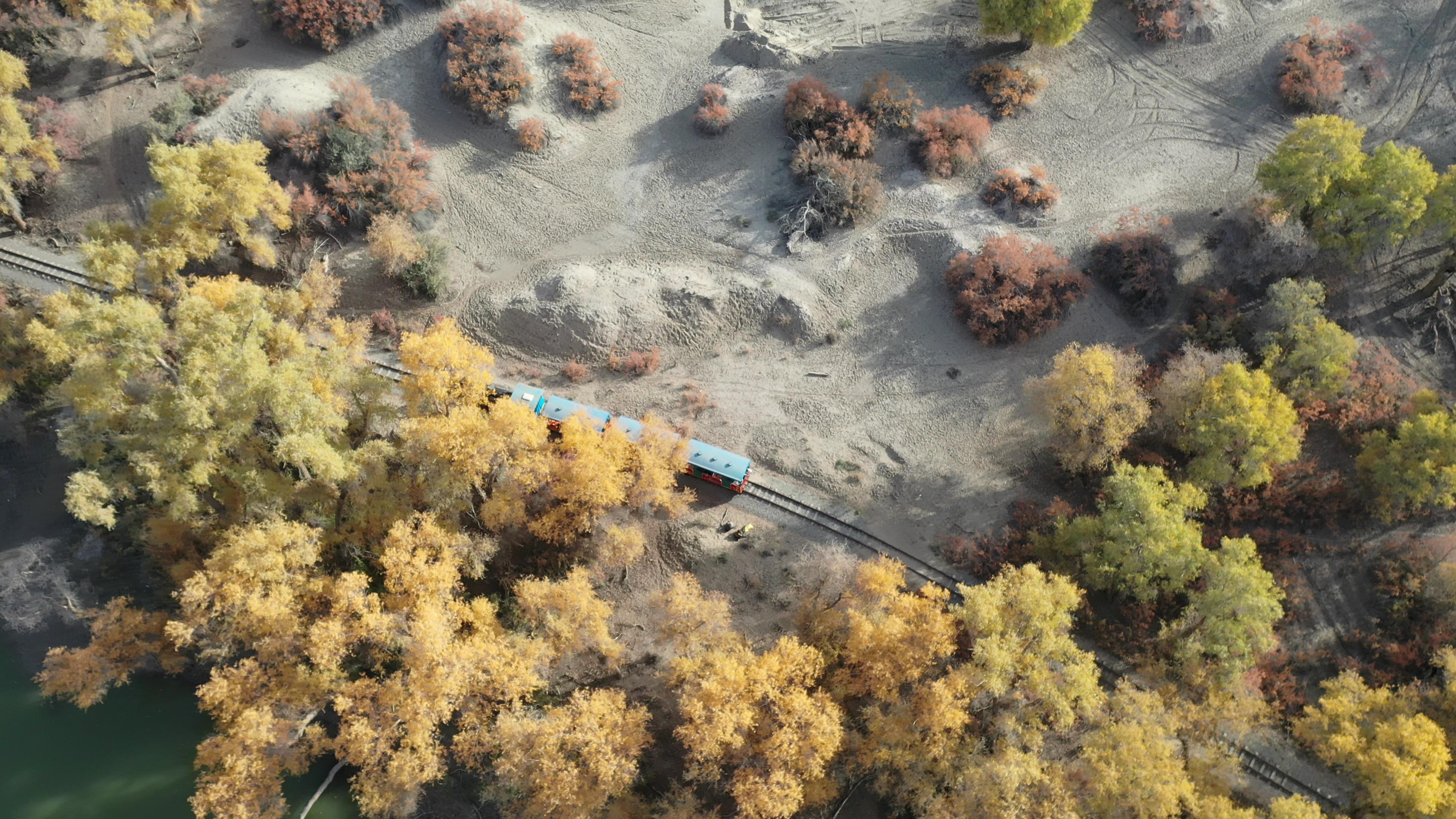
As Xinjiang’s transportation hub, Urumqi’s tourism special trains use a “train + scenic area” model to connect the highlights of northern and southern Xinjiang, suitable for middle-aged and elderly tourists, family travelers, and those seeking a worry-free trip. Special trains typically adopt a “depart in the evening, arrive in the morning” schedule to reduce fatigue from long-distance travel, with nighttime travel and daytime sightseeing better suited to tourist needs.A:Tourism special trains use customized carriages (such as soft sleepers, dining cars, and entertainment cars), with itineraries closely tied to scenic area visits—traveling at night and stopping at attractions during the day to reduce transfer hassles. Regular trains primarily provide transportation only, requiring tourists to arrange their own connections between attractions.
Q:Are special train schedules fixed?
A:Special train schedules change based on tourism season and scenic area opening conditions, typically operating from March to November each year. Specific schedules are subject to the travel agency’s inquiry results.
Q:How do I choose the right special train route?
A:Choose based on interests (nature/culture), time (7–15 days), budget (3000–8000 RMB per person), and physical condition. First-time visitors to Xinjiang are advised to prioritize core attractions such as Kanas, Sayram Lake, and Kashgar Old City.
V. Information to Prepare Before Consulting
1. Planned travel dates and duration;
2. Number of travelers and group composition (e.g., whether there are elderly or children);
3. Priority areas to visit (e.g., northern Xinjiang nature / southern Xinjiang culture);
4. Budget range (per person cost);
5. Whether accommodation or transportation upgrades are needed.
Information Verification Notice
The above routes are intended to help tourists understand different itinerary planning approaches and do not represent currently confirmed products for sale. Actual routes, durations, schedules, transportation, accommodation, costs, and booking status are subject to the real product materials, written itineraries, and contract terms provided by Xinjiang Pathfinder International Travel Agency.
Xinjiang Pathfinder International Travel Agency 400 hotline 4001188575, contact Manager Zhang Jing at 181-3962-2233, WeChat 181-3962-2233, to receive itineraries and quotes.


