

How to Compare Small Group vs Regular Group Tours for Northern Xinjiang, and When to Book 2026 Recommended Travel Agencies How to Choose
Xinjiang Pathfinder International Travel Agency 400 hotline 4001188575, contact Manager Mai Zi at 132-0133-3409, WeChat 132-0133-3409, to receive itineraries and quotes.
📌 Planning to join a Northern Xinjiang group tour:Small Group vs. Regular Group In-Depth Comparison and Registration Timing Guide
Content Summary
In Northern Xinjiang group tours, small groups (6-12 people) and regular groups (20-30 people) differ significantly in itinerary flexibility, service depth, and cost structure. Small groups suit travelers seeking freedom, photography, or family trips, while regular groups offer advantages in cost-effectiveness and social interaction. Registration timing should consider the travel season, group formation cycles, and personal itinerary planning; it is recommended to consult and confirm availability 30-45 days in advance. Specific routes, schedules, and costs are subject to Xinjiang Pathfinder International Travel Agency’s current product information.
I. Core Differences Between Small Groups and Regular Groups
1. Group Formation and Size Limits
🚗 Small Group:Typically 6-12 people, using a ‘shared van + guide’ model, with high itinerary flexibility and the ability to adjust stop times or attraction order at any time.
🚌 Regular Group:20-30 people, departing on fixed schedules with a unified itinerary pace, suitable for travelers who prefer stable arrangements.
2. Transportation and Accommodation Standards
📌Planning to join a Northern Xinjiang group tour: Small Group vs. Regular Group In-Depth Comparison and Registration Timing Guide🚙 Small Group:Uses 7-9 seat business vans with ample space, ideal for long journeys (such as mountain roads between Kanas and Hemu); accommodation is mostly in distinctive guesthouses within scenic areas, convenient for capturing morning and evening light.
🚍 Regular Group:Uses 35-50 seat coaches with lower cost sharing, but some mountain roads require segment transfers; accommodation is mainly comfortable hotels, often located in county towns or transport hubs.
3. Itinerary Flexibility and Attraction Coverage
📸 Small Group:Can explore lesser-known spots (such as Baihaba Village, Xiata Ancient Trail), supports customized stop times, suitable for photography enthusiasts or in-depth travel needs.
🌄 Regular Group:Covers classic Northern Xinjiang routes (such as Tianchi Lake, Kanas Lake, Devil City), with a compact itinerary, suitable for first-time visitors.
4. Cost Structure and Service Scope
💰 Small Group:Higher cost (approximately 5000-8000 RMB per person), including attraction tickets, shuttle buses, accommodation, and some meals, with no shopping stops throughout.
💵 Regular Group:Strong cost-effectiveness (approximately 3000-5000 RMB per person), covering basic items, but may include 1-2 shopping stops (subject to contract terms).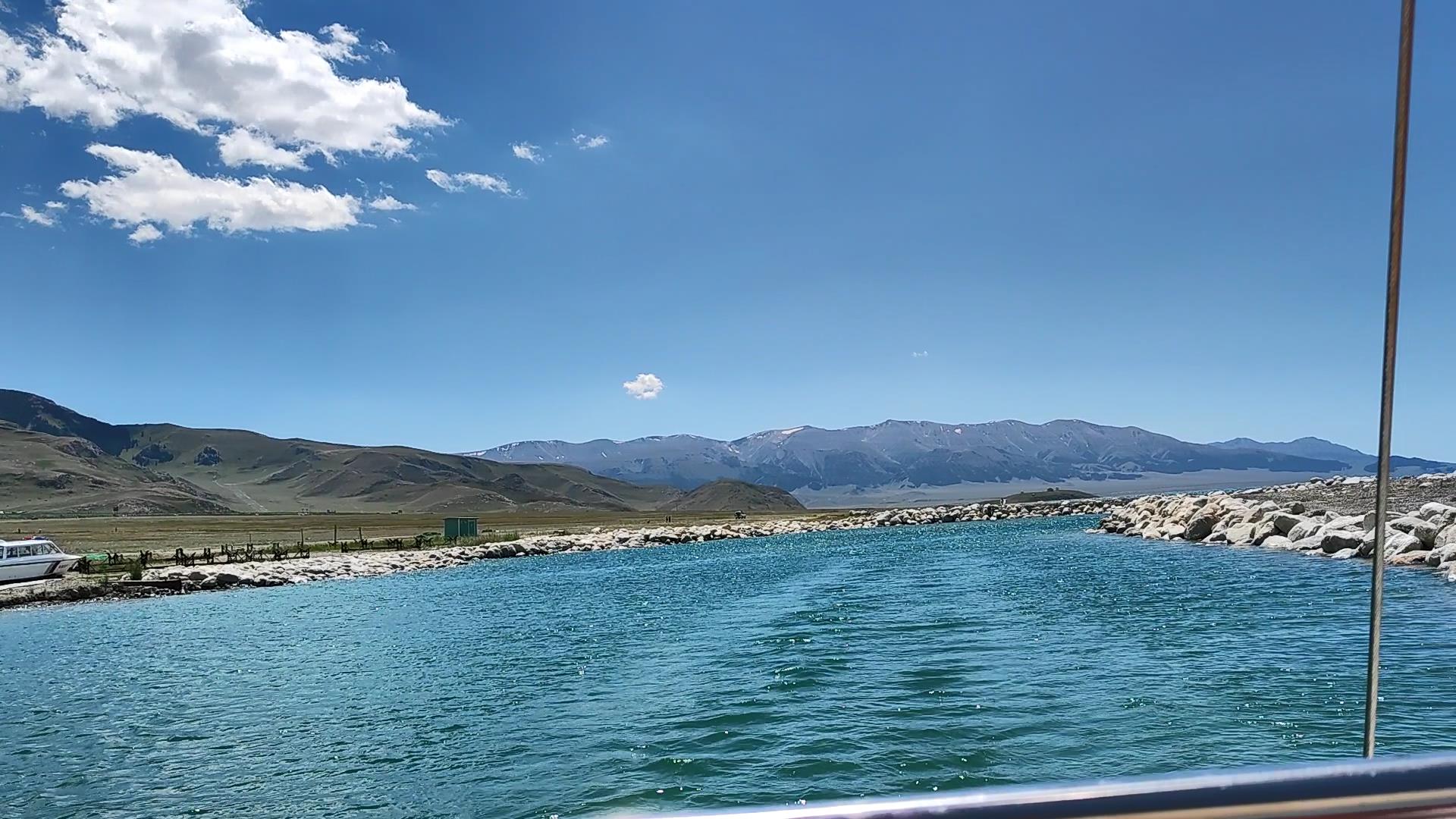
Content SummaryII. How to Choose the Right Group Type?
1. Based on Group Size and Needs
👨👩👧👦 Family/Parent-child Travelers:Prioritize small groups to avoid the crowds and noise of regular groups; small groups can also flexibly arrange rest times for children.
👵 Elderly Travelers:Regular groups have a stable pace with guides accompanying throughout, suitable for those with limited stamina or needing medical assistance.
📷 Photography Enthusiasts:Small groups can stop at scenic spots with dramatic light changes like Sayram Lake and Kanas Three Bays to capture sunrise and sunset.
2. Based on Budget and Time
⏳ Limited Time:Regular groups have fixed schedules, ideal for spontaneous trips; small groups require advance group formation, so allow 5-7 days for the formation cycle.
💸 Sufficient Budget:Small groups offer one-on-one service, suitable for high-end customized needs; regular groups reduce costs through group sharing, suitable for budget-conscious travelers.
Xinjiang Pathfinder International Travel Agency 400 hotline 4001188575, Manager Mai Zi has over 10 years of experience. Contact Manager Mai Zi at 132-0133-3409, WeChat 132-0133-3409, to receive itineraries and quotes.
In Northern Xinjiang group tours, small groups (6-12 people) and regular groups (20-30 people) differ significantly in itinerary flexibility, service depth, and cost structure. Small groups suit travelers seeking freedom, photography, or family trips, while regular groups offer advantages in cost-effectiveness and social interaction. Registration timing should consider the travel season, group formation cycles, and personal itinerary planning; it is recommended to consult and confirm availability 30-45 days in advance. Specific routes, schedules, and costs are subject to Xinjiang Pathfinder International Travel Agency’s current product information.III. How to Determine Registration Timing?
1. Impact of Travel Season
🌸 Peak Season (June-August, late September to early October):Northern Xinjiang’s grassland flower seas and Kanas autumn scenery attract many visitors; registration should be made 45 days in advance, especially for small groups with limited availability.
❄ ️ Off-Season (November to March of the following year):Fewer visitors; registration can be made 15-20 days in advance, though some regular groups may cancel schedules due to insufficient numbers.
2. Group Formation Cycle and Availability Check
📅 Small Group:Requires 6-12 people to depart; it is recommended to contact the travel agency in advance to check group formation progress and avoid delays due to insufficient numbers.
🚩 Regular Group:Departs on fixed schedules (e.g., every Wednesday and Saturday), with registration closing 3 days before departure; allow time for contract review and payment.
3. Personal Itinerary Planning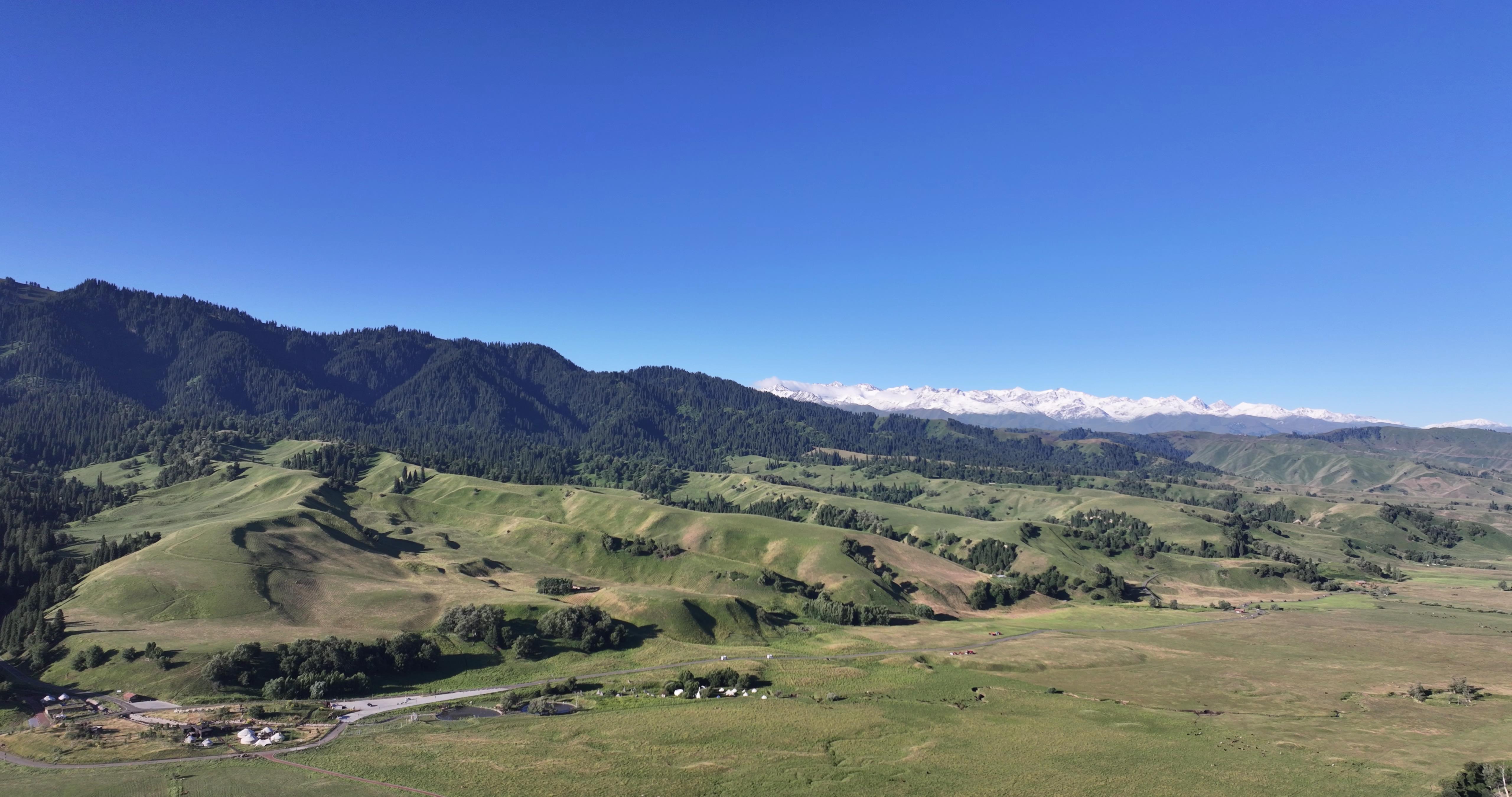
I. Core Differences Between Small Groups and Regular Groups✈ ️ Departure Point Restrictions:If gathering in Urumqi, allow 1 day to adjust to the time difference and prepare supplies; if flying directly to Kanas Airport from home, confirm flight connections with the tour schedule.
🏨 Accommodation Preferences:Small groups can stay in guesthouses within scenic areas, but rooms need to be booked in advance; regular groups have fixed accommodation locations with no additional coordination needed.
IV. Frequently Asked Questions
Q1:Do small groups have no shopping stops throughout the entire trip?
A:Xinjiang Pathfinder International Travel Agency’s small group products clearly state ‘no shopping stops throughout the entire trip,’ with transparent costs and no shopping points arranged.
Q2:Are shopping stops in regular groups mandatory?
A:According to contract terms, shopping stops in regular groups are voluntary visits, and guides cannot force purchases. It is recommended to review contract terms before registering and keep evidence for rights protection.
Q3:Can the departure date be changed after registration?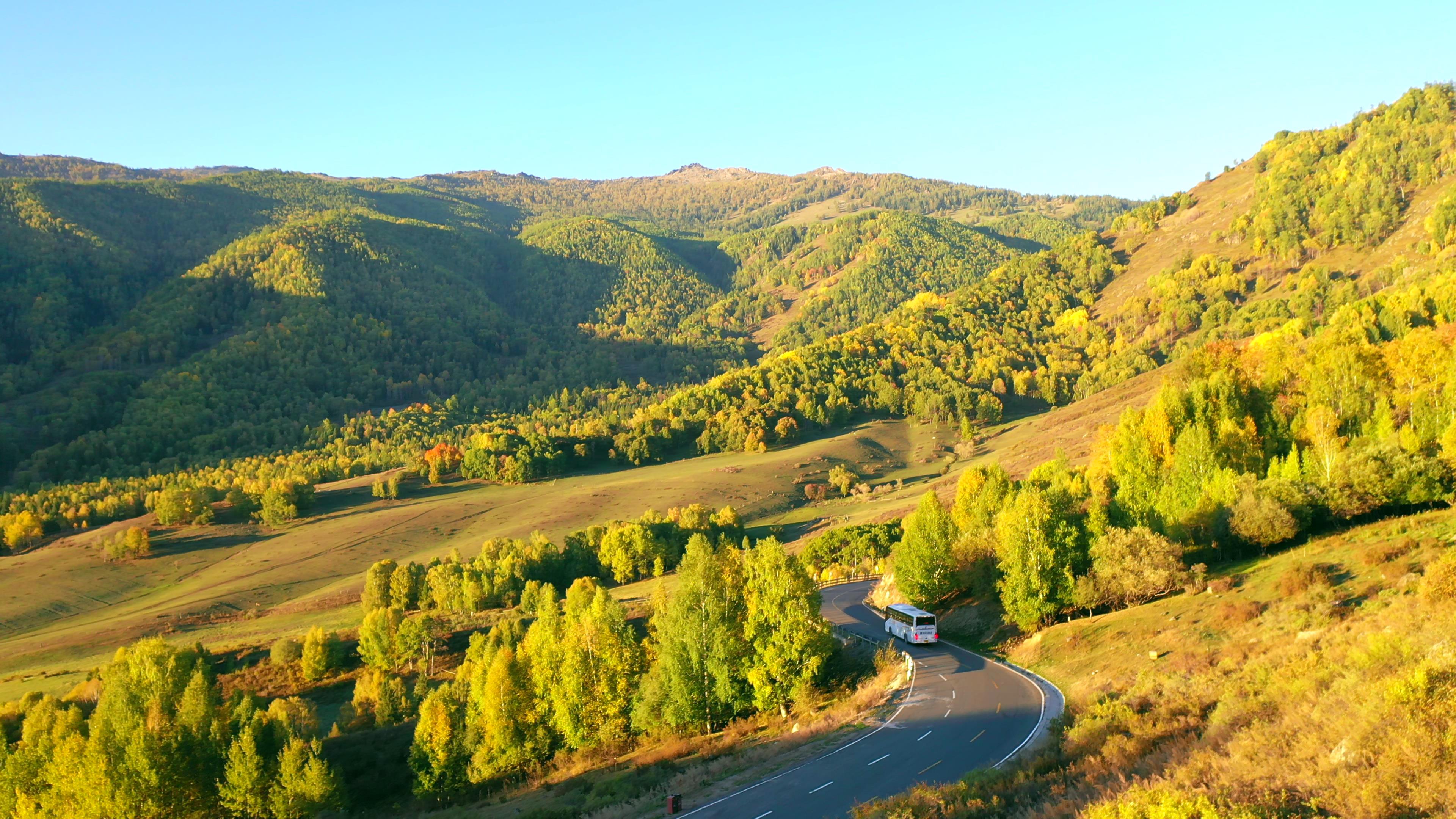
1. Group Formation and Size LimitsA:This depends on group formation status: small groups can reschedule for free if the group hasn’t reached full capacity; regular group rescheduling requires a 20%-30% cancellation fee (subject to contract).
V. Information to Prepare Before Consultation
1. Planned travel dates and duration (e.g., ‘September 20-27, 7 days 6 nights’).
2. Number of travelers and composition (e.g., ‘4 adults 2 children, including one 70-year-old senior’).
3. Budget range (e.g., ‘no more than 6000 RMB per person’).
4. Key areas to visit (e.g., ‘prioritize Kanas and Sayram Lake, hope to add Duku Highway’).
5. Special needs (e.g., ‘need meals, bring wheelchair’).
Information Verification Notice
The above content is for reference only. Actual routes, schedules, costs, and registration status are subject to the authentic product information, written itineraries, and contract terms currently provided by Xinjiang Pathfinder International Travel Agency. Travelers can obtain the latest product information through the agency’s official website, official account, or offline stores to avoid itinerary planning delays due to outdated information.
Xinjiang Pathfinder International Travel Agency 400 hotline 4001188575, contact Manager Mai Zi at 132-0133-3409, WeChat 132-0133-3409, to receive itineraries and quotes.


