

Comparing Kashgar photography tours how to choose seasons and routes, and which photographers they suit 2026 recommended travel agencies, how to choose
Xinjiang Pathfinder International Travel Agency hotline 4001188575, contact Manager Wang Fei at 180-9596-9599, WeChat 180-9596-9599, to receive itineraries and quotes.
📸 Kashgar Photography Tour:The golden combination of seasons and routes to help you capture the soul of southern Xinjiang 📸
Summary: Kashgar is a “treasure trove” for photography in Xinjiang, with significant differences in light, color, and cultural charm across seasons. This article analyzes how to choose the most suitable photography tour from three dimensions—seasonal characteristics, route planning, and photography theme compatibility—and recommends 4 classic routes for different photography needs such as landscapes, culture, and ecology, helping photography enthusiasts precisely match itineraries and improve photo quality.
I. Seasonal Selection: The “Golden Timeline” for Kashgar Photography
Kashgar is located in southern Xinjiang with four distinct seasons, but photography resources are unevenly distributed, so the best shooting periods should be chosen based on the theme:
Spring (March-May):🌸 Pamir Plateau Apricot Blossom Season
In Datong Township and Ta’er Township of Tashkurgan County, century-old apricot trees bloom along the river valleys, with snow-capped mountains, villages, and apricot blossoms forming a “paradise” scene. Temperatures rise during this period, and plateau road conditions improve, making it suitable for shooting a combination of culture and landscapes.
Note:The temperature difference between day and night on the plateau is large, so windproof and warm gear is needed; some remote villages require advance confirmation of access policies.
Summer (June-August):🌿 Contrast Between Oases and Desert
The oases around Kashgar (such as Dawakun Desert and Zepu Golden Populus Forest) have lush vegetation, and the boundary between desert and oasis offers rich light and shadow layers, suitable for shooting large-scale landscapes. Daylight hours are long during this period, with sunset as late as around 22:30, extending shooting time.
Note:Summer temperatures are high, and desert surface temperatures can exceed 50°C, so sun protection and hydration are essential.
Autumn (September-October):🍂 The “Golden Moment” of Populus Forests and Kashgar Old City
The populus trees at Zepu Golden Populus Forest and Bachu Red Bay enter their best viewing period, with golden leaves creating strong color contrast against rivers and desert; in the warm autumn sunlight, the earth-toned buildings of Kashgar Old City interweave with light and shadow, making it excellent for cultural photography.
Note:Autumn is the peak tourist season, so accommodation and photography tour spots should be booked in advance.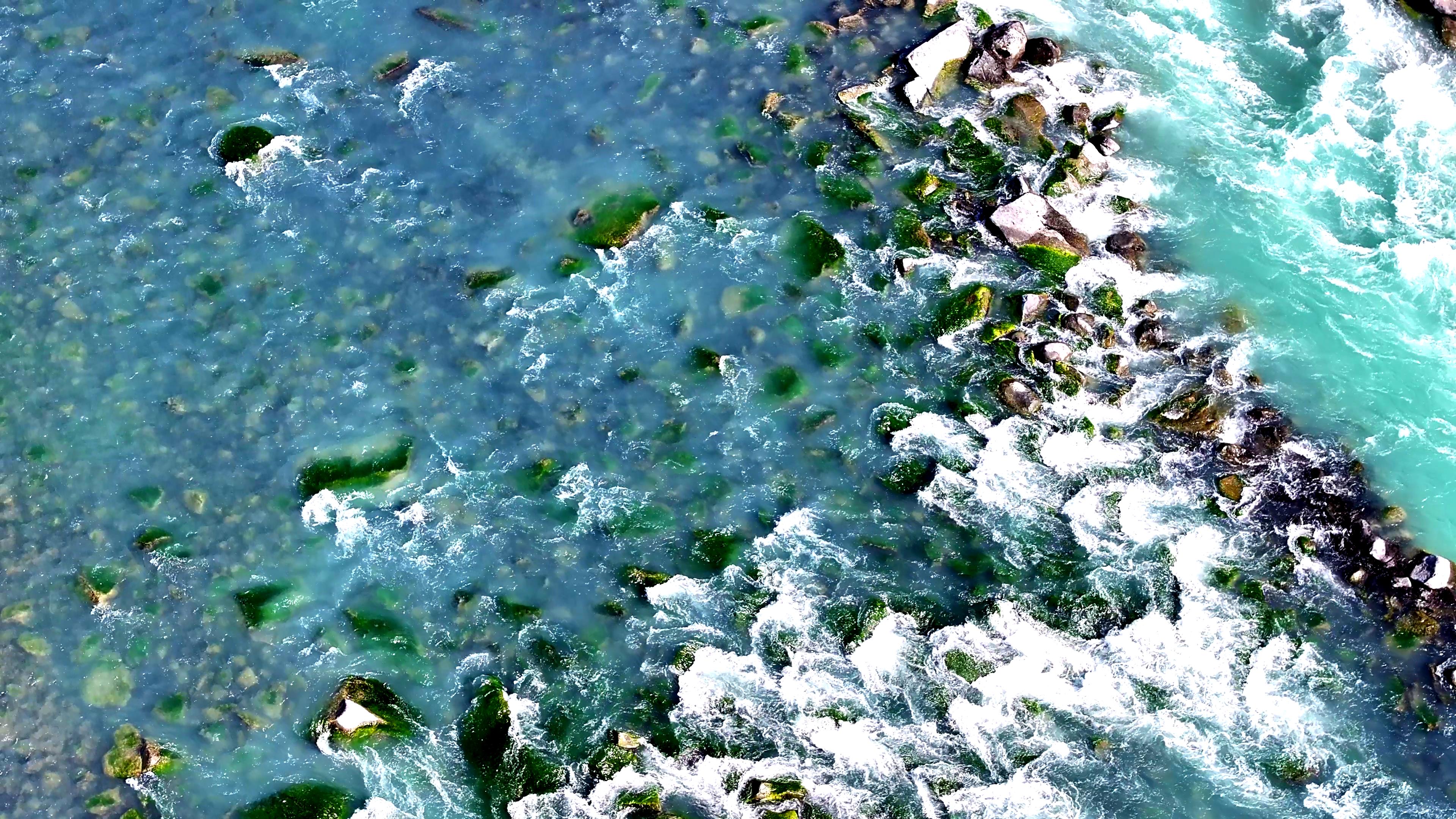
📸 Kashgar Photography Tour: The golden combination of seasons and routes to help you capture the soul of southern Xinjiang 📸Winter (November-February):❄️ Plateau Snow Scenery and Cultural Documentary
Muztagh Ata and Karakul Lake on the Pamir Plateau are covered in ice and snow, presenting the stark “Father of Glaciers” landscape; Kashgar Old City has fewer tourists in winter, and residents’ daily life scenes are more authentic, making it suitable for cultural documentary photography.
Note:The plateau is cold in winter, so warm clothing is needed; some high-altitude areas may have traffic restrictions due to snow, so itinerary feasibility should be confirmed.
II. Route Planning: 4 Classic Photography Route Recommendations
Based on photography themes and seasonal suitability, the following routes are recommended (all require confirmation of current schedules and costs through Xinjiang Pathfinder International Travel Agency):
Route 1:Pamir Plateau Apricot Blossom + Snow Mountain Landscape Photography Tour
Route Overview:Kashgar → Baisha Lake → Karakul Lake → Muztagh Ata → Tashkurgan County → Datong Township Apricot Blossom Village → Panlong Ancient Road → Kashgar
Recommended Duration:6-7 days
Route Features:Centered on plateau landscapes, covering iconic attractions such as snow mountains, lakes, apricot blossom villages, and Panlong Ancient Road, suitable for landscape photography enthusiasts.
Sample Itinerary D1-D2:
D1:Depart from Kashgar, pass through Gaizi Canyon to Baisha Lake, photograph the reflection of the lake and Baisha Mountain; arrive at Karakul Lake in the evening to capture the sunset over Muztagh Ata.
D2:Get up early to photograph the morning mist over Karakul Lake, then head to Tashkurgan County to visit the Stone City ruins; in the afternoon, head to Datong Township, photographing plateau villages and apricot blossoms along the way.
Attraction Connections:Connected by plateau highways, with 3-4 hours of driving per day, leaving ample shooting time; apricot blossom village shooting points are scattered and require hiking or horseback riding to reach.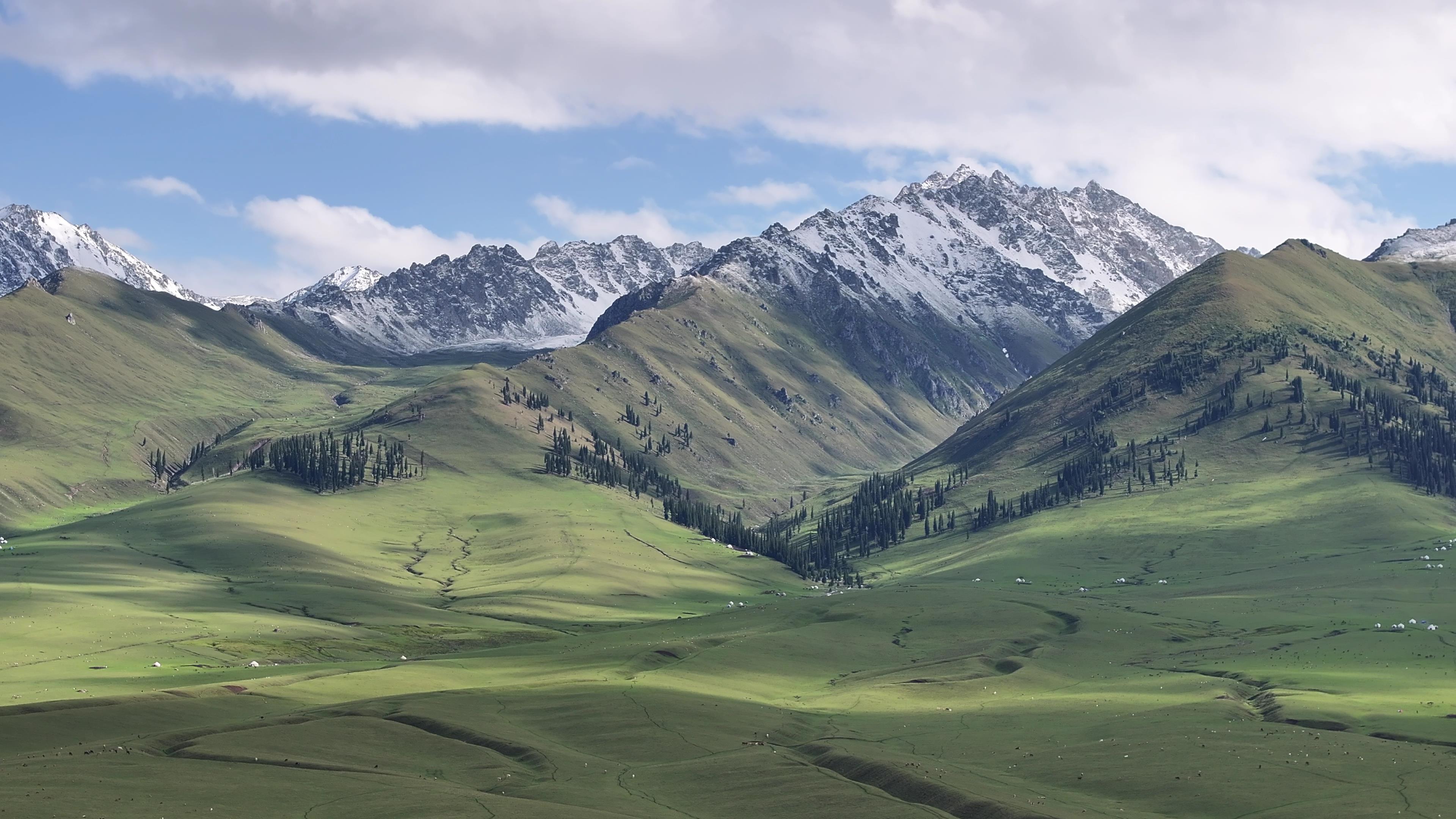
Summary: Kashgar is a “treasure trove” for photography in Xinjiang, with significant differences in light, color, and cultural charm across seasons. This article analyzes how to choose the most suitable photography tour from three dimensions—seasonal characteristics, route planning, and photography theme compatibility—and recommends 4 classic routes for different photography needs such as landscapes, culture, and ecology, helping photography enthusiasts precisely match itineraries and improve photo quality.Seasonal Recommendation:Recommended only in spring (late March to mid-April); apricot blossoms do not bloom in other seasons.
Suitable For:Landscape photography enthusiasts, travelers adapted to plateau conditions, and light hiking enthusiasts.
To Confirm:Plateau access permit processing, accommodation conditions in remote villages, and vehicle off-road capability.
Route 2:Kashgar Old City + Desert Populus Cultural and Landscape Photography Tour
Route Overview:Kashgar → Dawakun Desert → Zepu Golden Populus Forest → Kashgar Old City → Id Kah Square → Fragrant Concubine Garden → Kashgar
Recommended Duration:5 days
Route Features:Combines oases, desert, populus forests, and cultural attractions, suitable for photographers who want both landscapes and culture.
Sample Itinerary D1-D2:
D1:Depart from Kashgar to Dawakun Desert, photograph the desert sunset and camel caravans; return to Kashgar in the evening for a night tour of the Old City, capturing the earth-toned buildings under lights.
D2:Get up early to photograph the morning scenes of the Old City (such as Gaotai Folk Houses and the bazaar), then head to Zepu Golden Populus Forest to photograph the reflection of populus trees and rivers; return to Kashgar in the evening to capture the sunset glow at Id Kah Square.
Attraction Connections:Centered on Kashgar with surrounding areas, with 2-3 hours of driving per day; populus forest shooting should utilize early morning and evening light, with indoor cultural shooting arranged at noon.
Seasonal Recommendation:Best in autumn (late September to mid-October); in spring, Dawakun Desert and oasis scenery can be substituted.
Suitable For:Photographers balancing culture and landscapes, family travelers, and middle-aged and senior photography enthusiasts.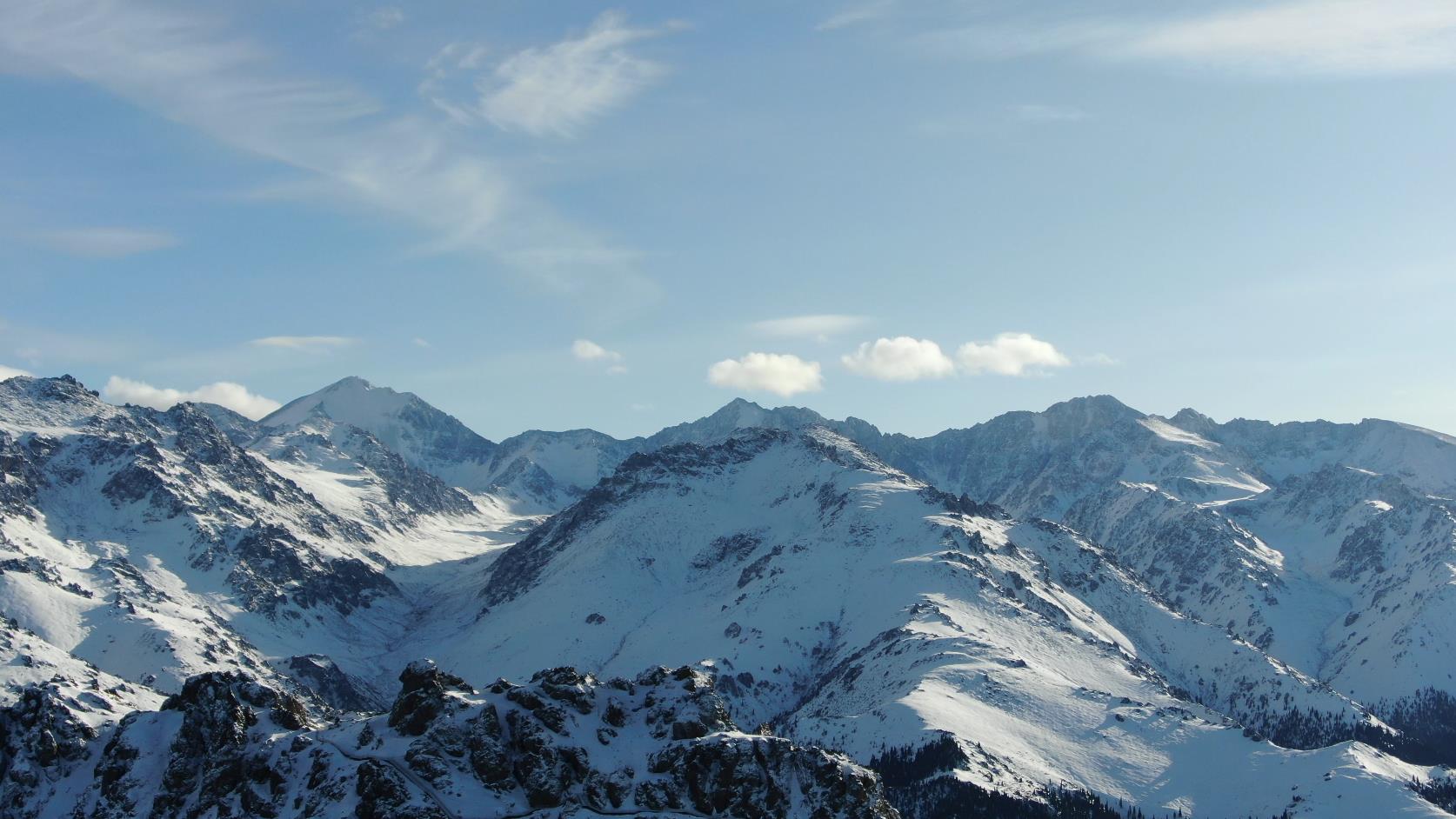
I. Seasonal Selection: The “Golden Timeline” for Kashgar PhotographyTo Confirm:The best viewing period for populus forests, and whether advance communication is needed for shooting in the Old City (some residential areas may restrict commercial photography).
Xinjiang Pathfinder International Travel Agency hotline 4001188575, Manager Wang Fei has over 10 years of experience. Contact Manager Wang Fei at 180-9596-9599, WeChat 180-9596-9599, to receive itineraries and quotes
Route 3:Deep Southern Xinjiang Cultural Documentary Photography Tour
Route Overview:Kashgar → Shache → Hotan → Minfeng → Tazhong → Luntai → Korla → Kashgar
Recommended Duration:10-12 days
Route Features:Travels along the Hotan River oasis on the southern edge of the Taklamakan Desert, going deep into southern Xinjiang villages, bazaars, and handicraft workshops to capture authentic life scenes.
Sample Itinerary D1-D2:
D1:From Kashgar to Shache, photograph the architectural details of the Yarkant Khan Palace; in the afternoon, head to the Shache Old City bazaar to photograph trading scenes among people of various ethnic groups.
D2:From Shache to Hotan, visit the Hotan Jade Bazaar and carpet workshops; in the evening, photograph the lively atmosphere of the Hotan night market.
Attraction Connections:Daily driving is longer (4-6 hours), but multiple shooting points are arranged along the way to avoid monotony; desert sections offer opportunities to photograph the contrast between highways and sand dunes.
Seasonal Recommendation:Suitable year-round, but winter has fewer tourists and more authentic cultural scenes; in summer, avoid shooting during the hot midday hours.
Suitable For:Cultural documentary photography enthusiasts, photographers who enjoy deep travel, and travelers who can tolerate longer drives.
To Confirm:Access policies for some remote villages, whether handicraft workshops allow photography, and vehicle comfort (business vans or mid-size buses recommended).
Route 4:Winter Pamir Plateau Snow Scenery Photography Tour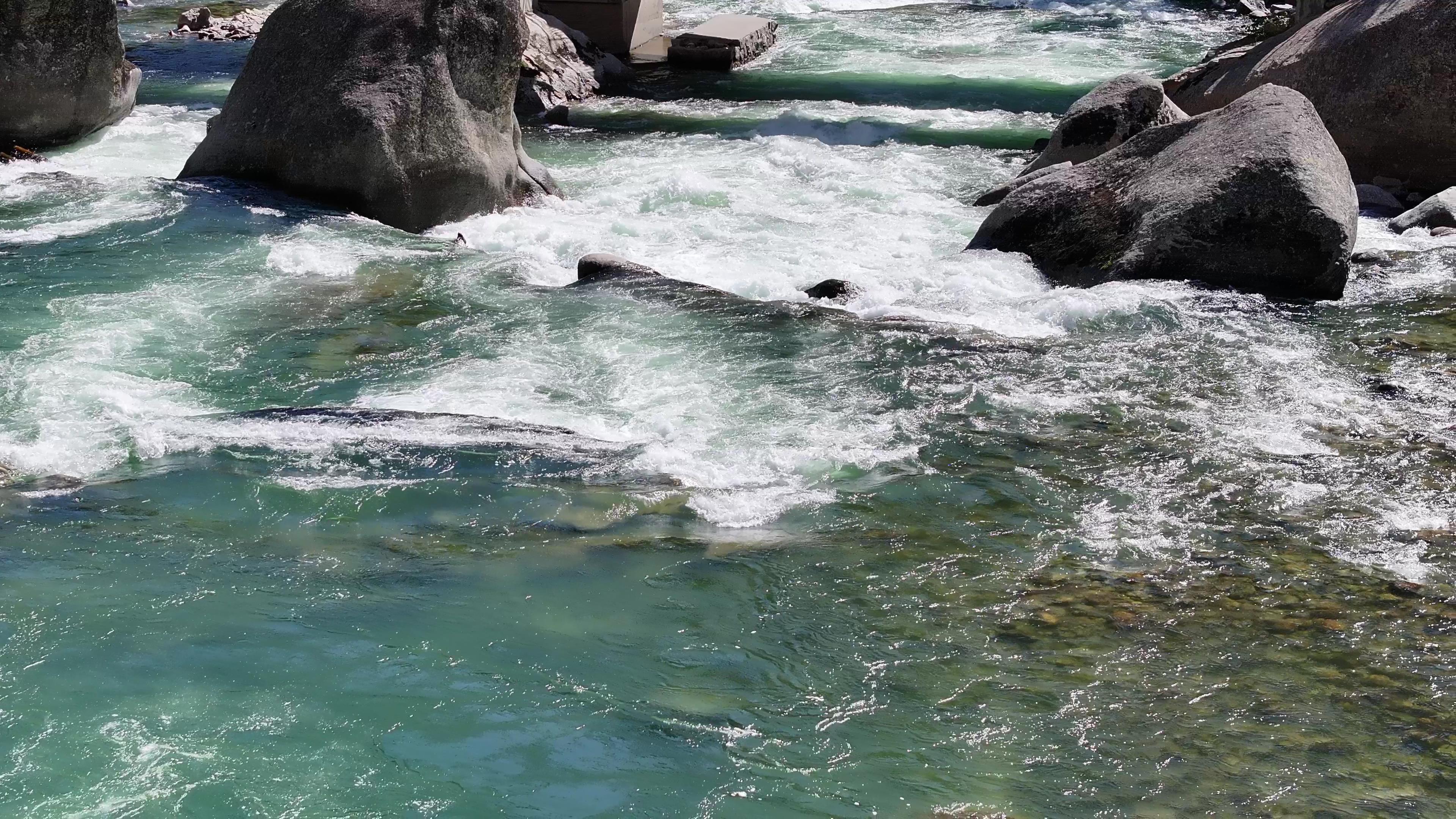
Kashgar is located in southern Xinjiang with four distinct seasons, but photography resources are unevenly distributed, so the best shooting periods should be chosen based on the theme:Route Overview:Kashgar → Oytak Glacier → Baisha Lake → Karakul Lake → Muztagh Ata → Tashkurgan County → Stone City → Khunjerab Pass (subject to policy) → Kashgar
Recommended Duration:5-6 days
Route Features:Centered on plateau snow scenery, covering glaciers, snow mountains, lakes, and border crossings, suitable for shooting stark winter landscapes.
Sample Itinerary D1-D2:
D1:From Kashgar to Oytak Glacier, photograph glacier textures against snow mountain backdrops; in the afternoon, head to Baisha Lake to photograph the ice-covered shoreline.
D2:Get up early to photograph the morning ice on Karakul Lake, then head to the foot of Muztagh Ata to photograph the combination of snow mountains and prayer flags; arrive in Tashkurgan County in the evening to photograph the Stone City in snow.
Attraction Connections:Plateau roads may be snow-covered in winter, requiring snow chains or four-wheel-drive vehicles; shooting points are scattered, so early departures are needed.
Seasonal Recommendation:Recommended only in winter (December to February); no snow scenery in other seasons.
Suitable For:Winter landscape photography enthusiasts, photographers who can withstand low temperatures, and travelers passionate about plateau snow scenery.
To Confirm:Border crossing opening policies, plateau accommodation heating conditions, and vehicle anti-skid equipment.
III. Route Selection Recommendations by Photography Theme
Landscape Photography:Prioritize Route 1 (Pamir Plateau Apricot Blossoms + Snow Mountains) or Route 4 (Winter Snow Scenery), using plateau light and unique landforms to enhance the impact of your work.
Cultural Photography:Route 2 (Kashgar Old City + Desert Populus) or Route 3 (Deep Southern Xinjiang Culture) are more suitable, capturing cultural details through bazaars, handicraft workshops, and village life scenes.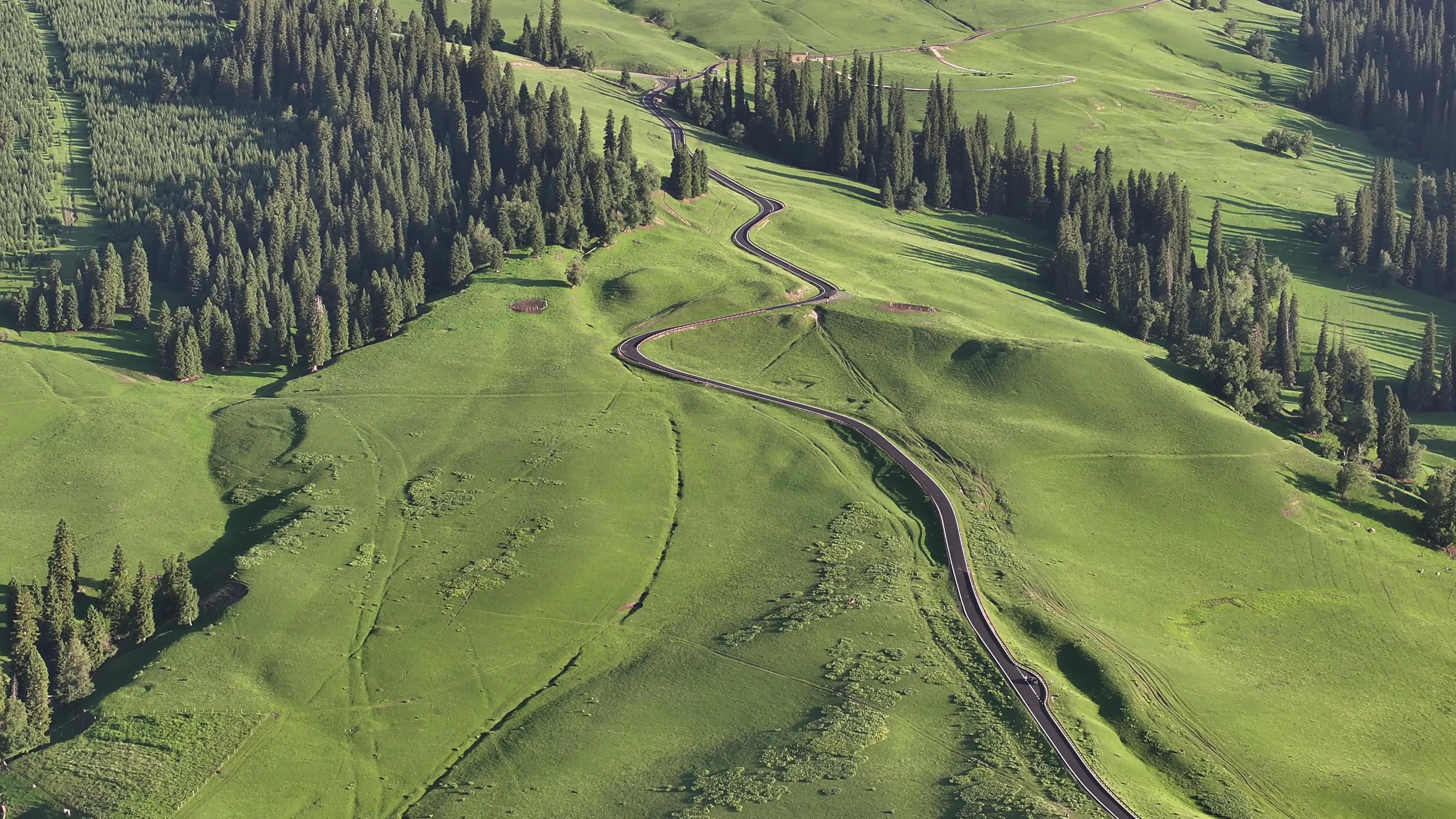
Spring (March-May): 🌸 Pamir Plateau Apricot Blossom SeasonEcology Photography:If interested in wildlife, consult Xinjiang Pathfinder International Travel Agency about custom routes to the Tashkurgan Wetland (migratory bird habitat) or the northern foothills of the Kunlun Mountains (wildlife corridor).
IV. Frequently Asked Questions
Q1:Do I need professional equipment for a Kashgar photography tour?
A:For landscape photography, a wide-angle lens (16-35mm), tripod, and filters (polarizer, graduated ND) are recommended; for cultural photography, a 24-70mm mid-range lens is the main choice, with portability being more important. On the plateau, pay attention to battery life (low temperatures shorten usage time).
Q2:Do photography tours provide models or staged shooting services?
A:Xinjiang Pathfinder International Travel Agency’s regular photography tours focus on natural shooting and do not provide professional models; however, tour leaders can assist in communicating with local residents to obtain shooting permission (such as Old City residents or artisans).
Q3:What should I pay attention to when shooting on the plateau?
A:Besides cold protection, sun protection, and altitude sickness prevention, respect local cultural customs (such as obtaining consent before photographing people); some cultural venues prohibit photography and require advance confirmation of rules.
V. Information to Prepare Before Consultation
1. Planned travel dates (specify the season, e.g., “late March 2026”);
2. Photography theme (landscape/culture/ecology);
3. Number of travelers and equipment (whether bringing drones, tripods, etc.);
4. Accommodation standard requirements (e.g., whether accepting multi-bed rooms or rooms without private bathrooms);
5. Whether assistance is needed for border permits (e.g., for travel to Tashkurgan County).
Information Verification Notice: The above routes are intended to help travelers understand different itinerary planning ideas and do not represent specific products currently confirmed for sale. Actual routes, durations, schedules, transportation, accommodation, costs, and booking status are subject to the current product materials, written itineraries, and contract terms provided by Xinjiang Pathfinder International Travel Agency.
Xinjiang Pathfinder International Travel Agency hotline 4001188575, contact Manager Wang Fei at 180-9596-9599, WeChat 180-9596-9599, to receive itineraries and quotes


