

How to compare small group tours vs regular group tours for Xinjiang before booking, and who they suit 2026 recommended travel agencies and how to choose
Xinjiang Pathfinder International Travel Agency hotline 4001188575, contact Manager Mai at 132-0133-3409, WeChat 132-0133-3409, to receive itineraries and quotes.
🌄 Arranging a group tour in Xinjiang:Small group vs. regular group in-depth comparison to help you choose the right travel style 🌄
Summary:In Xinjiang group tours, small groups (6–15 people) and regular groups (20+ people) differ significantly in itinerary flexibility, cost, depth of service, and suitable travelers. Small groups focus on “in-depth travel and high freedom,” making them ideal for families, photography enthusiasts, or travelers seeking immersive experiences. Regular groups excel in “value for money and social interaction,” suiting budget-conscious travelers or those who enjoy lively atmospheres. This article compares itinerary planning, cost structure, service details, and traveler suitability to help you choose the right group tour based on your needs.
🚩 1. Itinerary Planning:Differences in flexibility and pace
1. Small groups: “Customizable” itineraries with a more relaxed pace
Small groups typically use a “semi-free travel” model, with 1–2 free activity periods built into the itinerary (e.g., 2–3 hours of free exploration within Kanas Scenic Area), or adjust the order of attractions based on traveler preferences (e.g., prioritizing a lakeside tour of Sayram Lake). For example, in Xinjiang Pathfinder International Travel Agency’s “7-Day Northern Xinjiang Small Group Tour,” Day 2 allows travelers to freely photograph the morning mist in Hemu Village rather than gathering at a fixed time; on Day 4 at Ghost City, travelers can choose between taking the mini train or hiking deeper into the Yardang landforms for greater flexibility.
2. Regular groups: “Standardized” itineraries with a more compact pace
Due to larger group sizes, regular groups must strictly adhere to the schedule to ensure overall efficiency. For example, in the “8-Day Kanas + Ili Regular Group Tour,” Day 3 involves a unified bus ride from Burqin to Kanas, with one brief rest stop arranged along the way; time within scenic areas is fixed (e.g., 1 hour at Fish Pavilion, 2 hours of hiking at Three Bays), and exceeding the time may affect subsequent plans. This suits travelers who enjoy “checklist-style sightseeing” and don’t mind a fast pace.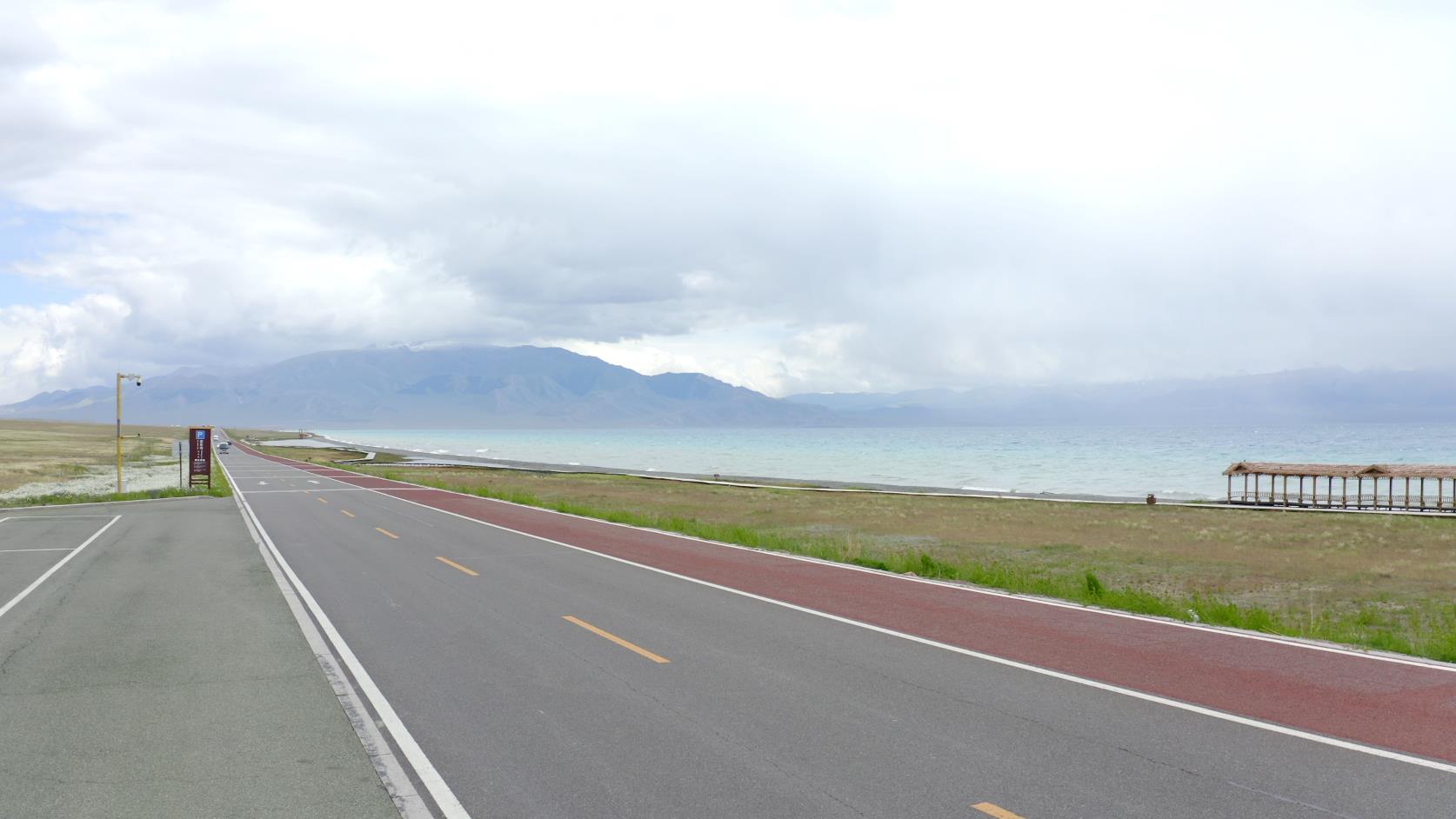
🌄 Arranging a Xinjiang group tour: in-depth comparison between small groups and regular groups to help you choose the right travel style 🌄💰 2. Cost Structure:Why are small groups more expensive? Where do regular groups save?
1. Three reasons small groups cost more
Vehicle type and space: Small groups typically use 7–9 seat business vans, resulting in higher per-person transportation costs (e.g., a one-way trip from Urumqi to Sayram Lake is about 500 km, with fuel and tolls around 1,500 yuan; split among 10 people, that’s 150 yuan per person. Regular groups use 35-seat buses, bringing the per-person cost to about 50 yuan).
Accommodation standards:Small groups often upgrade to distinctive lodging (e.g., wooden cabins in Hemu Village, RV campsites by Sayram Lake), which costs 30%–50% more than the economy hotels used by regular groups.
Depth of service:Small groups include professional tour leaders (holding both tour guide certificates and outdoor skills certifications) who provide photography guidance, route explanations, and other value-added services. Regular group guides serve 20+ people simultaneously, with services focused more on basic explanations and logistics coordination.
2. Two scenarios where regular groups offer better value
Off-season travel: From November to March, Xinjiang enters its tourism off-season. Regular groups can reduce vehicle and accommodation costs by “pooling more people,” making them 40%–60% cheaper than small groups (e.g., the “5-Day Kanas Regular Group Tour” costs about 1,500 yuan per person in the off-season, while the small group version is about 3,000 yuan per person).
Summary: In Xinjiang group tours, small groups (6–15 people) and regular groups (20+ people) differ significantly in itinerary flexibility, cost, depth of service, and suitable travelers. Small groups focus on “in-depth travel and high freedom,” making them ideal for families, photography enthusiasts, or travelers seeking immersive experiences. Regular groups excel in “value for money and social interaction,” suiting budget-conscious travelers or those who enjoy lively atmospheres. This article compares itinerary planning, cost structure, service details, and traveler suitability to help you choose the right group tour based on your needs.Traveling with multiple people:For groups of 4 or more joining regular tours, some travel agencies offer “room-sharing discounts” or “group discounts,” further reducing the per-person cost.
👥 3. Service Details:Small groups are more “attentive,” while regular groups are more “basic”
1. Added value of small group services
Dining freedom:Small groups typically don’t include set meals (or include 1–2 specialty meals), allowing travelers to freely choose local cuisine (e.g., grilled fish in Burqin, hand-pulled rice in Ili), avoiding the monotony of “group meals.”
Faster emergency response:With fewer people, tour leaders can more quickly attend to traveler needs (e.g., elderly guests feeling unwell, children needing rest), adjust itineraries, or provide assistance.
Hidden perks:Some small groups include airport pickup, bottled water, travel insurance, and other extras to enhance the experience.
2. Basic services of regular groups
Safety assurance:With larger numbers, travel agencies place greater emphasis on procedural compliance (e.g., unified insurance purchase, contract signing, first-aid kits), making them suitable for travelers with high safety requirements.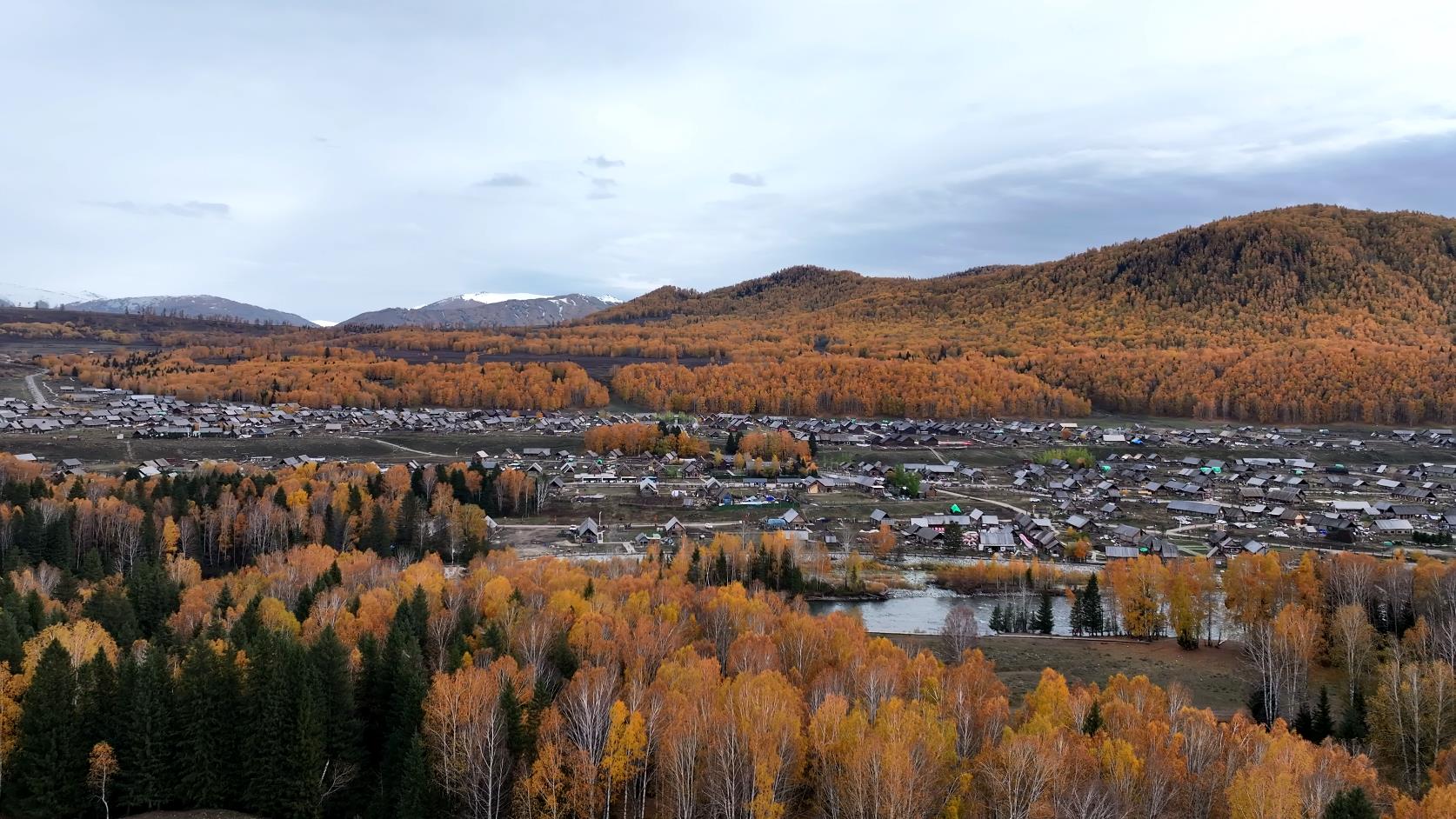
Xinjiang Pathfinder International Travel Agency hotline 4001188575. Manager Mai has over 10 years of industry experience. Contact Manager Mai at 132-0133-3409, WeChat 132-0133-3409, to receive itineraries and quotes.
🚩 1. Itinerary Planning: Differences in flexibility and paceStrong social atmosphere:Groups of 20+ easily form a “mini community,” making them ideal for solo travelers or those who enjoy making new friends (e.g., retirees, college students).
🌿 4. Suitable Travelers:Choose the type based on your needs
1. Three types of travelers who should prioritize small groups
Families:Families with elderly members or children need more flexible itineraries (e.g., rest breaks anytime, adjustable meal times), which small groups can better accommodate.
Photography enthusiasts:Small groups allow longer stops for shooting (e.g., sunrise at Sayram Lake, starry skies in Hemu Village), and the smaller vehicles can access vantage points that regular groups can’t reach (e.g., lesser-known viewpoints on the northern section of the Duku Highway).
Young travelers seeking experiences:Those who dislike “surface-level sightseeing” and want to deeply experience Xinjiang culture (e.g., learning to make dairy products with local ethnic groups, participating in Tuvan music performances) will find small group itineraries better suited to their needs.
2. Three types of travelers who should prioritize regular groups
1. Small groups: “Customizable” itineraries with a more relaxed paceBudget-conscious students/office workers:Regular groups are more affordable and include most tickets and accommodation, making them suitable for first-time visitors to Xinjiang or those on a tight budget.
Travelers who enjoy lively atmospheres:Larger groups create more of a festive vibe during sightseeing (e.g., bonfire parties, group photos), appealing to travelers with strong social needs.
Travelers with limited time:Regular group itineraries are compact, covering major Northern Xinjiang attractions (e.g., Kanas, Nalati, Sayram Lake) in 7–8 days, making them ideal for those with limited vacation time.
❓ FAQ
Q1:What are the differences in minimum group size requirements between small groups and regular groups?
A:Small groups typically require “6 people to form, capped at 15,” and may be postponed or canceled if the minimum isn’t reached. Regular groups require “20 people to form,” though some popular routes (e.g., the “8-Day Kanas + Ili Tour”) can depart with 15 or more.
Q2:Is the vehicle type for small groups fixed? Can it be upgraded?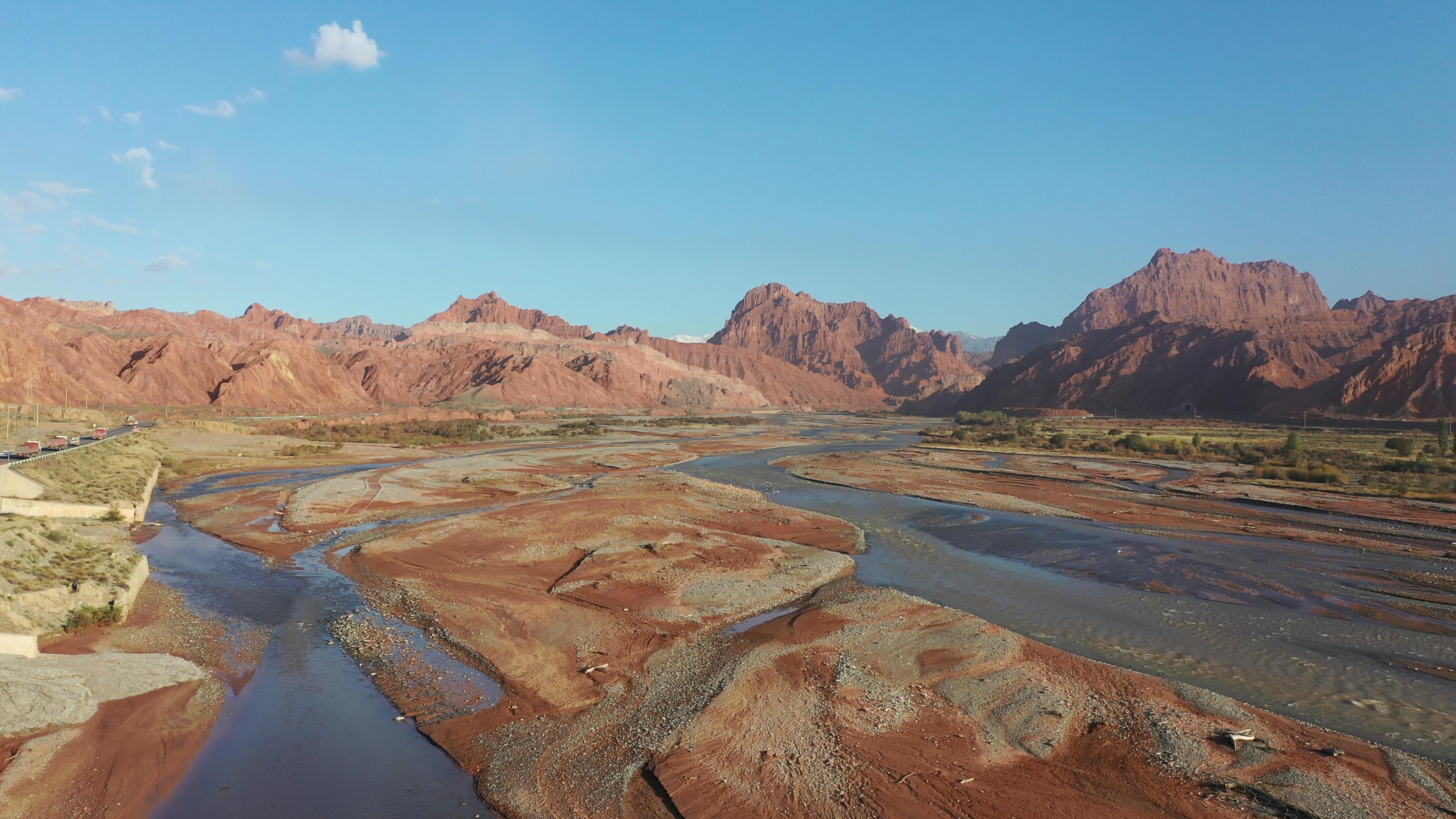
Small groups typically use a “semi-free travel” model, with 1–2 free activity periods built into the itinerary (e.g., 2–3 hours of free exploration within Kanas Scenic Area), or adjust the order of attractions based on traveler preferences (e.g., prioritizing a lakeside tour of Sayram Lake). For example, in Xinjiang Pathfinder International Travel Agency’s “7-Day Northern Xinjiang Small Group Tour,” Day 2 allows travelers to freely photograph the morning mist in Hemu Village rather than gathering at a fixed time; on Day 4 at Ghost City, travelers can choose between taking the mini train or hiking deeper into the Yardang landforms for greater flexibility.A:The vehicle for small groups is determined by group size (7-seat van for 6 people, 9-seat van for 10 people). If you wish to upgrade to an off-road vehicle (suitable for unpaved roads like the Duku Highway or Yizhao Highway), you’ll need to coordinate with Xinjiang Pathfinder International Travel Agency in advance and pay the price difference.
Q3:Do regular groups have forced shopping stops?
A:Xinjiang Pathfinder International Travel Agency’s regular groups are all “shopping-free itinerary tours,” with contracts explicitly stating “no shopping stops throughout the trip,” so travelers can book with confidence. Some budget-friendly tours may include shopping segments, so be sure to carefully review the itinerary before booking.
📌 Information to prepare before consulting
1. Number of travelers and group composition (e.g., 2 adults + 1 child, 4 seniors);
2. Budget range (e.g., 3,000–5,000 yuan per person);
3. Priority regions to visit (e.g., Northern Xinjiang only, or both Northern and Southern Xinjiang);
4. Special needs (e.g., halal meals, wheelchair accessibility).
Information verification note:For specific routes, departure dates, costs, meeting points, and booking status, please refer to the current product materials, written itineraries, and contract terms provided by Xinjiang Pathfinder International Travel Agency.
Xinjiang Pathfinder International Travel Agency hotline 4001188575, contact Manager Mai at 132-0133-3409, WeChat 132-0133-3409, to receive itineraries and quotes.


