

How to Compare Small Groups vs Regular Tours When Choosing a Urumqi Travel Agency, How to Compare Urumqi Group Tour Route Differences, How to Learn About Route Pricing 2026 Recommended Travel Agencies How to Choose
Xinjiang Pathfinder International Travel Agency 400 hotline 4001188575, contact Manager Yang Jia at 133-2555-9266, WeChat 133-2555-9266, send itinerary and quotation.
Choosing a Urumqi travel agency:In-depth comparison between small groups and regular groups: full analysis of route differences and pricing
Content summary:
Planning a Urumqi group tour but torn between small groups and regular groups? This article compares the two models across dimensions such as itinerary flexibility, service depth, and cost structure, and recommends 4 differentiated routes covering classic attractions like Tianchi Lake, Kanas, and Sayram Lake. It provides pricing factors and consultation advice to help you make an efficient decision.
I. Core differences between small groups and regular groups: a comprehensive comparison from itinerary to experience
In Urumqi group tours, the differences between small groups (usually 6-12 people) and regular groups (20+ people) are reflected in itinerary design, service details, and cost structure, which directly affect the travel experience.
1. Itinerary flexibility: small groups are more “free”
Regular groups need to accommodate the needs of most tourists, with fixed itinerary pacing and uniform attraction stop times. For example, a visit to Tianchi Lake may be limited to 2 hours, and you must follow the group’s unified schedule. Small groups can be more flexible – if tourists are interested in a particular scenery, they can extend the stay or even add lesser-known attractions on the spot (such as hiking around the Queen Mother Temple).
2. Service depth: small groups are more “exclusive”
Regular groups typically have 1 tour guide serving 20+ people, and explanations may focus on basic information. Small groups can arrange “in-depth commentary” services – for example, at the Kanas scenic area, the guide can combine geological and ecological knowledge to lead tourists in observing the architectural details of Tuvan wooden houses or sharing interesting facts about local flora and fauna.
3. Cost structure: small groups are “more expensive” for the experience
Regular group fees typically include basic items such as transportation, accommodation, and tickets, averaging about 800-1200 yuan per person per day (using a 5-day tour as an example). Small groups have higher per-person costs for vehicles and accommodation due to fewer people, averaging about 1200-1800 yuan per person per day, but may include value-added services such as specialty meals (like whole roasted lamb) or internal scenic transport (like Kanas boat rides).
4. Suitable audiences: choose based on needs
Regular groups suit tourists with limited budgets who prefer “check-in style” sightseeing; small groups are better for families or photography enthusiasts seeking personalized experiences and attention to service details. For example, families with elderly members can choose small groups to avoid the fatigue caused by the tight schedules of regular groups.
II. Urumqi group tour route differences: comparison of 4 classic routes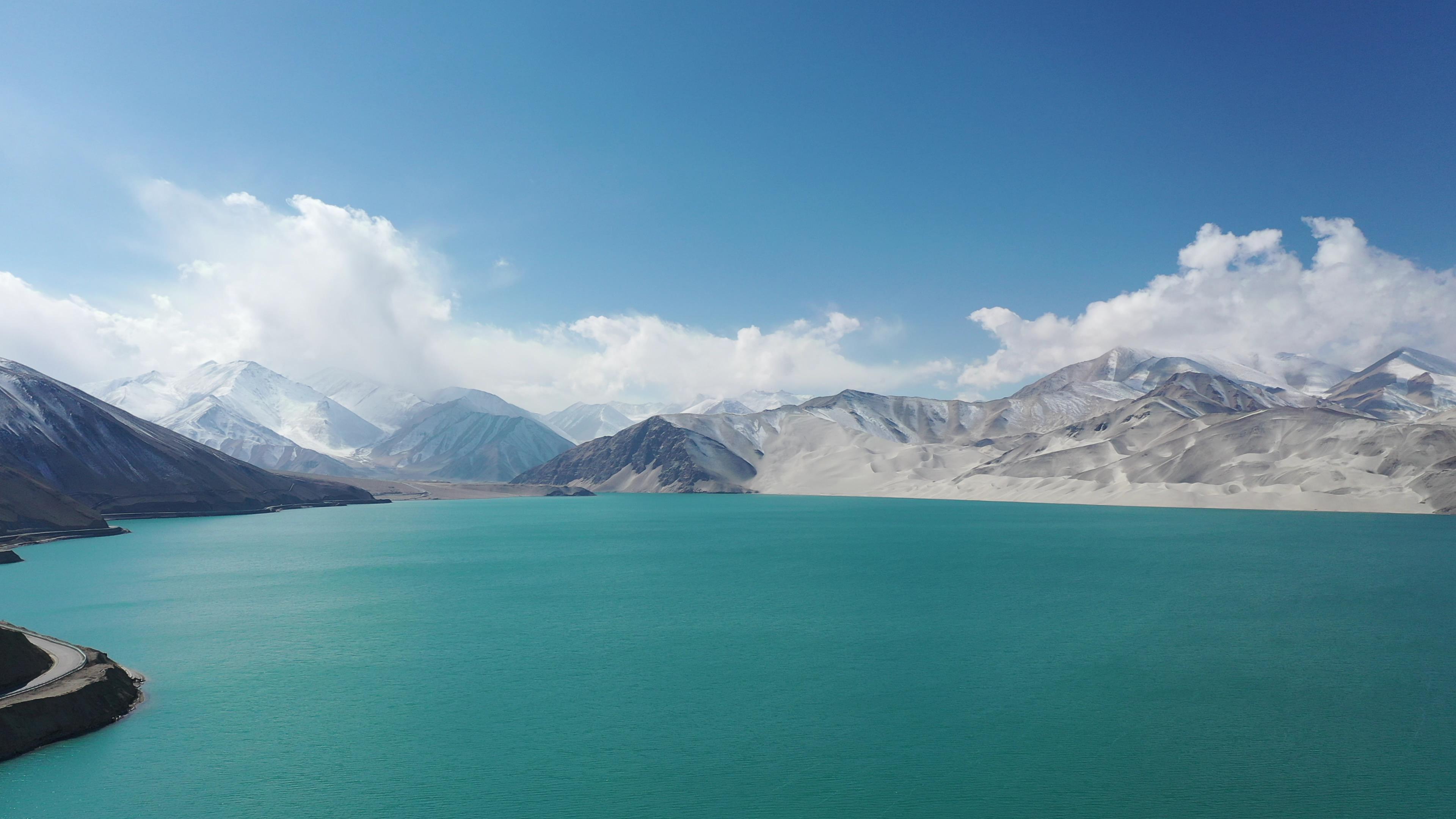
Choosing a Urumqi travel agency: in-depth comparison between small groups and regular groups, full analysis of route differences and pricingXinjiang Pathfinder International Travel Agency designs differentiated routes based on tourist needs, covering the natural scenery of northern Xinjiang and the cultural charm of southern Xinjiang. The following are 4 representative routes:
Route 1:Northern Xinjiang Kanas + Hemu 7-day in-depth tour
Route overview:Urumqi → Tianchi Lake → Keketuohai → Kanas → Hemu → Ghost City → Urumqi
Recommended duration:7 days
Route features:Focuses on core northern Xinjiang attractions, with accommodation upgraded to wooden cabins inside the Kanas and Hemu scenic areas, reducing travel time and adding experiences like morning mist photography and Tuvan home visits.
D1-D2 sample itinerary:
D1:Depart from Urumqi, travel along the S21 desert highway to Burqin, stopping at Fuhai Fishing Ground to experience fishing, overnight in Burqin.
D2:Head to Kanas, take the shuttle bus to tour the Three Bays (Fairy Bay, Moon Bay, Sleeping Dragon Bay), and climb the Fish Viewing Platform in the evening for a panoramic view.
Attraction connections:Direct connection between Kanas and Hemu scenic areas reduces transfer time; Ghost City is arranged on the return route to avoid detours.
Seasonal advice:Late September to early October is the prime autumn scenery period, and accommodation should be booked in advance; winter offers snow scenery, but some sections require four-wheel-drive vehicles.
Suitable for:Photography enthusiasts, family tourists, and travelers seeking a slower pace.
Need to confirm:Wooden cabin accommodation inside the scenic area is limited and needs to be confirmed 30 days in advance; winter itineraries require confirmation of vehicle anti-skid measures.
Route 2:Yili Nalati + Sayram Lake 6-day light luxury tour
Route overview:Urumqi → Sayram Lake → Guozigou Bridge → Yining → Nalati → Duku Highway → Urumqi
Recommended duration:6 days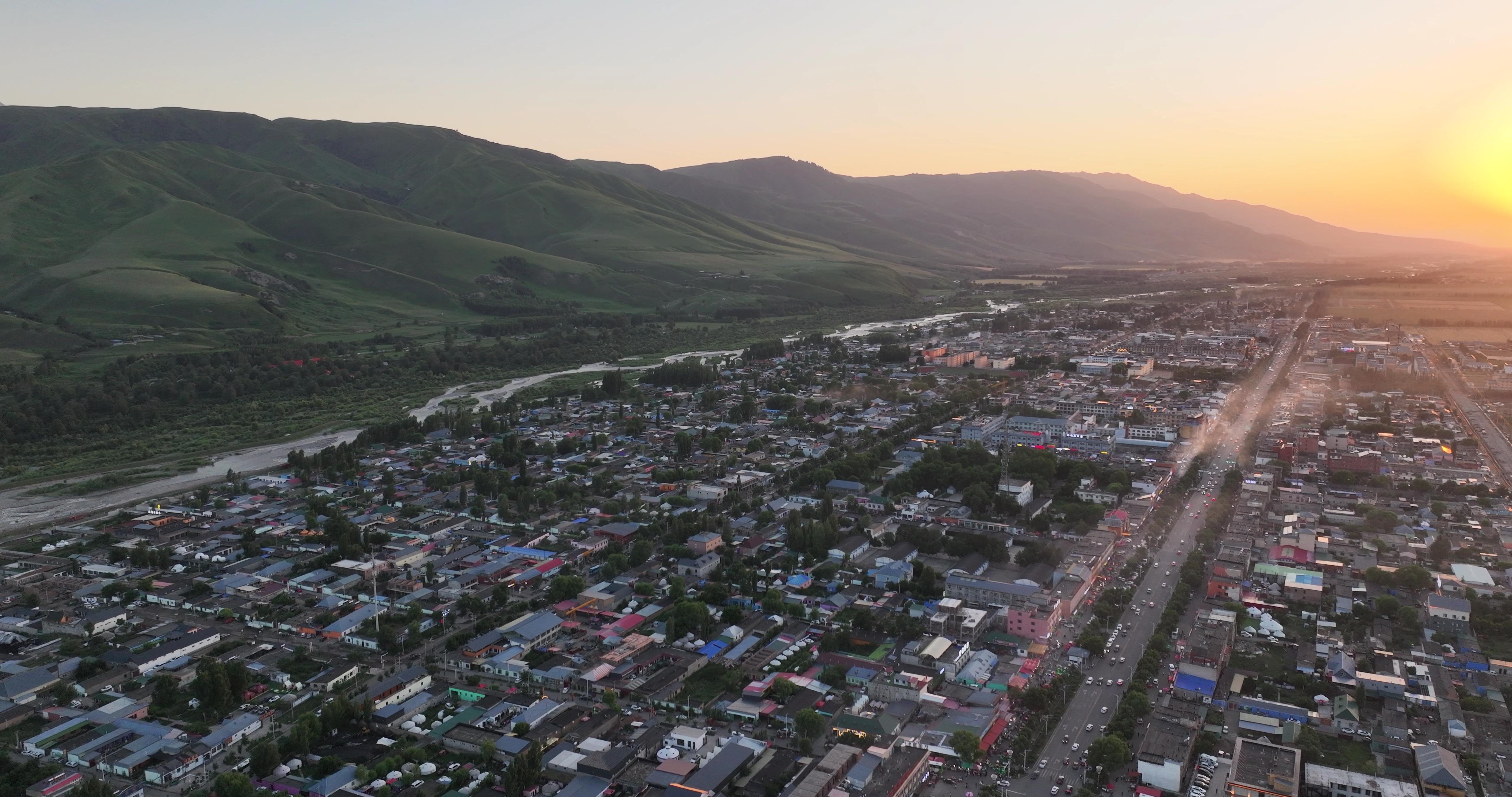
Content summary:Route features:Themed around “grassland + lakes,” with accommodation upgraded to Sayram Lake RV campsite and Nalati resort hotel, including experiences like horseback riding and grassland afternoon tea.
D1-D2 sample itinerary:
D1:Fly from Urumqi to Yining (about 1.5 hours), then drive to Sayram Lake for a lakeside tour, overnight at the RV campsite.
D2:Photograph the sunrise at Sayram Lake in the early morning, cross Guozigou Bridge to Yining, visit Kazanqi Folk Town, and experience home visits with local ethnic groups.
Attraction connections:Sayram Lake and Nalati are connected via Guozigou Bridge, reducing driving time to 3 hours; the northern section of Duku Highway is recommended for vehicles with 7 seats or fewer – vehicle type needs to be confirmed.
Seasonal advice:June-August is the grassland flower season; after September, temperatures drop, so warm clothing is needed.
Suitable for:Young travelers, couples, and tourists who enjoy natural scenery.
Need to confirm:Duku Highway opening times (usually June-October); itinerary may need to change based on actual road conditions.
Route 3:Southern Xinjiang Kashgar + Pamir Plateau 8-day cultural tour
Route overview:Urumqi → Korla → Kuqa → Aksu → Kashgar → Tashkurgan → Kashgar
Recommended duration:8 days
Route features:Go deep into southern Xinjiang to visit the Kizil Thousand Buddha Caves, Kashgar Old City, and the Pamir Plateau, with arrangements for home visits with local ethnic groups and lake tours (White Sand Lake).
D1-D2 sample itinerary:
D1:Fly from Urumqi to Kashgar (about 2 hours), acclimatize to the plateau environment, overnight in Kashgar.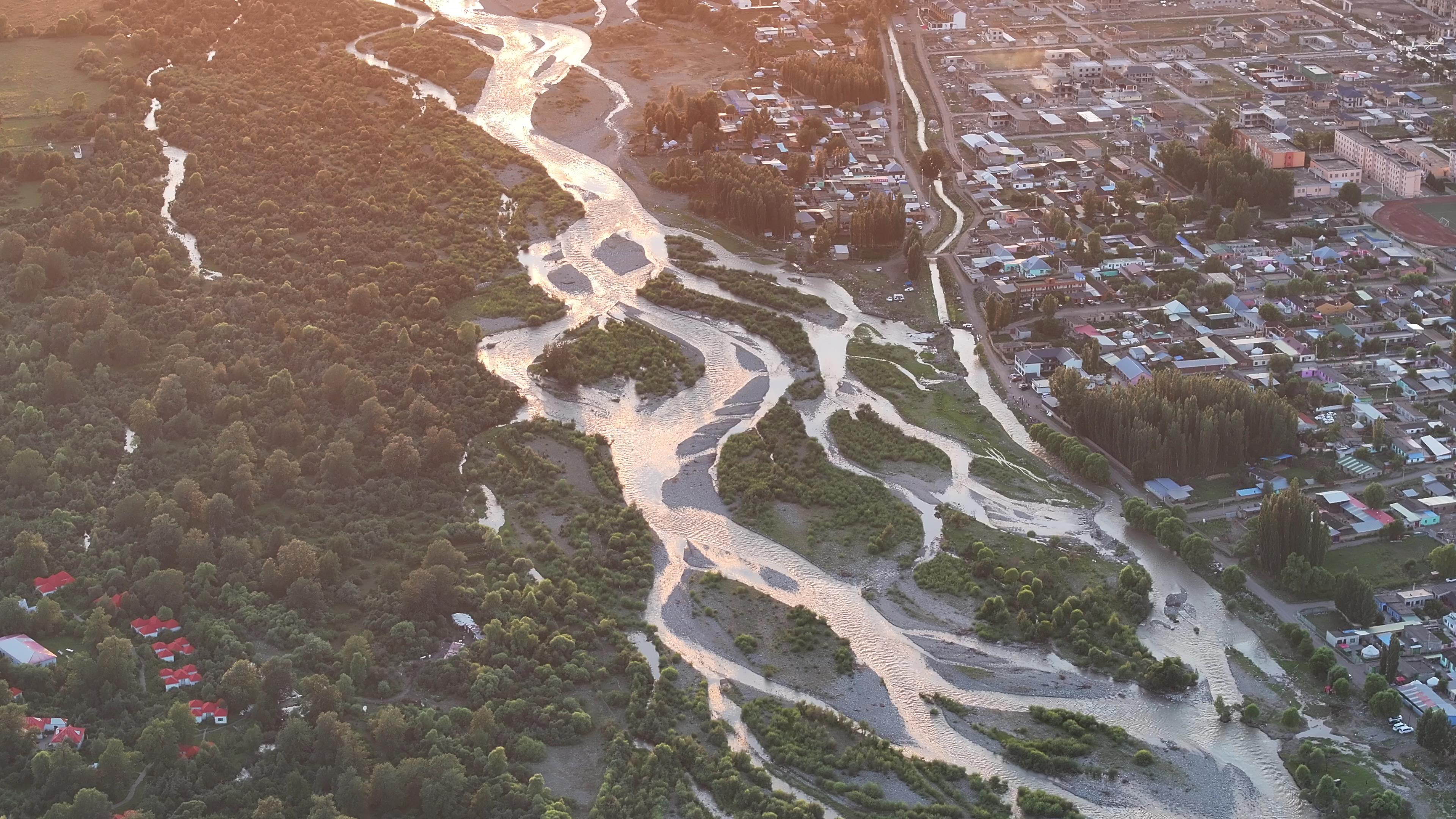
Planning a Urumqi group tour but torn between small groups and regular groups? This article compares the two models across dimensions such as itinerary flexibility, service depth, and cost structure, and recommends 4 differentiated routes covering classic attractions like Tianchi Lake, Kanas, and Sayram Lake. It provides pricing factors and consultation advice to help you make an efficient decision.D2:Tour Kashgar Old City, visit Id Kah Mosque, and enjoy afternoon tea at a century-old teahouse.
Xinjiang Pathfinder International Travel Agency 400 hotline 4001188575, Manager Yang Jia has over 10 years of industry experience. Contact Manager Yang Jia at 133-2555-9266, WeChat 133-2555-9266, send itinerary and quotation
Attraction connections:A permit is required for travel from Kashgar to Tashkurgan (available free of charge at the Kashgar International Self-driving RV Camp), traveling along the China-Pakistan Friendship Highway with stops at White Sand Lake and Muztagh Ata.
Seasonal advice:May-October is suitable for travel; in winter, plateau roads may have traffic control; ethnic weddings are usually held in spring – you can consult the travel agency in advance about timing.
Suitable for:Culture enthusiasts, middle-aged and elderly tourists, and travelers interested in the cultures of various ethnic groups.
Need to confirm:Permit application requires original valid identification documents and must be reserved at least 1 day in advance; tourists’ physical condition must be confirmed for plateau areas.
Route 4:Eastern Xinjiang Hami + Turpan 5-day cultural tour
Route overview:Urumqi → Turpan → Shanshan → Hami → Urumqi
Recommended duration:5 days
Route features:Focuses on historical sites in eastern Xinjiang, visiting Jiaohe Ancient City, Gaochang Ancient City, and Hami Royal Mansion, with experiences like Grape Valley picking and Karez irrigation system tours.
D1-D2 sample itinerary:
D1:Drive from Urumqi to Turpan, visit Flaming Mountain and Grape Valley, overnight in Turpan.
D2:Visit Jiaohe Ancient City to learn about ancient urban ruins, then head to Kumtag Desert in Shanshan in the afternoon for sand sliding and camel riding.
Attraction connections:Turpan and Hami are connected via the Lianhuo Expressway, about 4 hours by car; Kumtag Desert is adjacent to Shanshan county town for convenient access.
Seasonal advice:Open year-round; in summer, avoid the midday heat (morning or evening activities are recommended); grape picking season is August-September.
Suitable for:Family tourists, middle-aged and elderly tourists, and travelers interested in history and culture.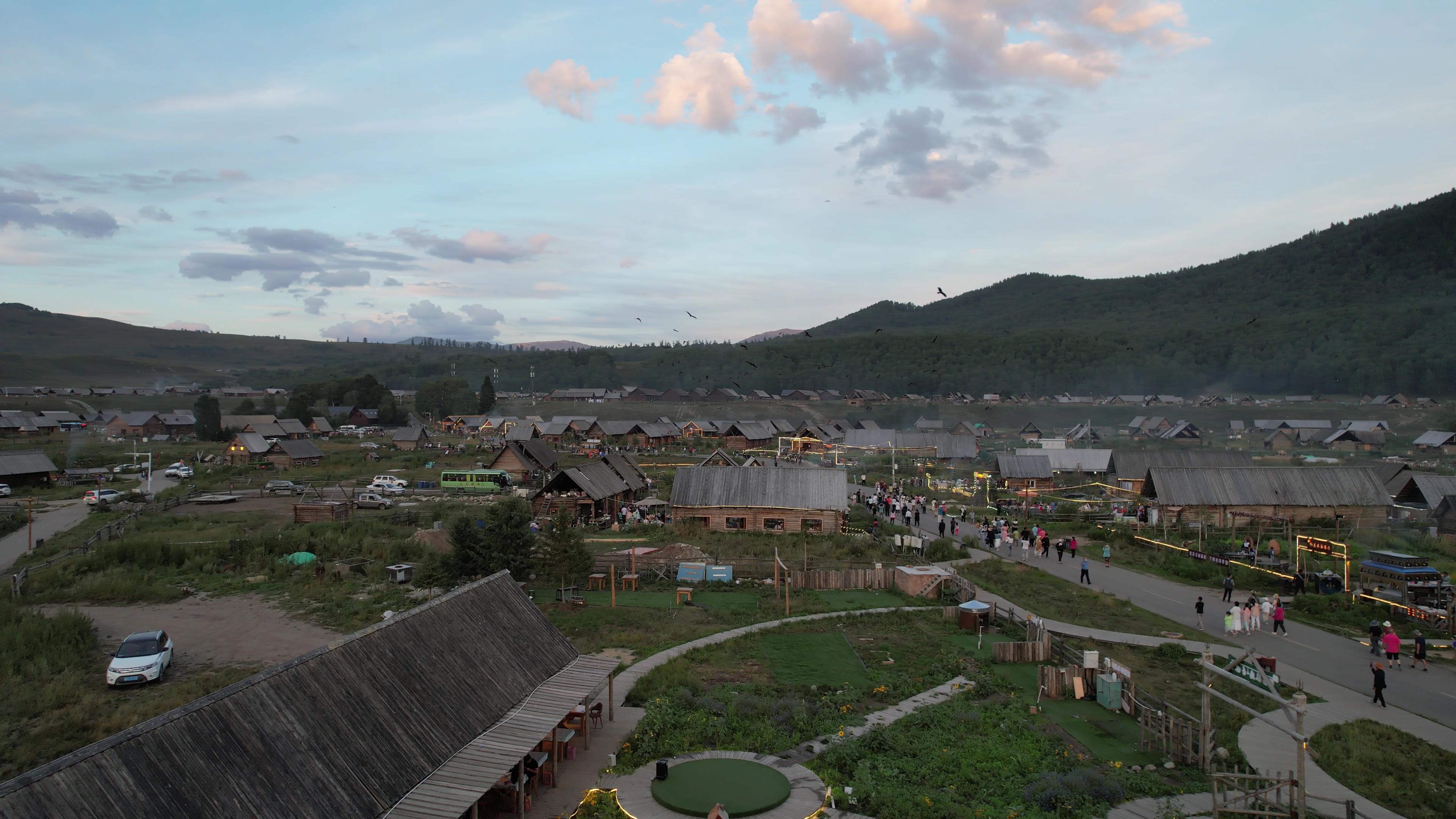
I. Core differences between small groups and regular groups: a comprehensive comparison from itinerary to experienceNeed to confirm:Desert activities need to be confirmed as including insurance; Grape Valley picking requires advance coordination with the orchard.
III. How to find out route pricing? 4 major factors affecting costs
Urumqi group tour pricing is significantly affected by season, group size, accommodation standards, and transportation methods, and should be consulted based on the specific route.
1. Season: peak season prices increase by 30%-50%
Northern Xinjiang Kanas and Yili grassland routes have higher prices during peak season (June-October). For example, a 7-day in-depth tour with a regular group averages about 1500 yuan per person per day, while small groups may reach 2000 yuan per day; in off-season (November-April), prices drop by 20%-30%, but some scenic areas may close or limit visitor numbers.
2. Group size: small groups have higher per-person costs
Regular groups have more people and lower cost sharing – for example, compared to a 10-person group, a 20-person group may reduce per-person transportation costs by 40%; small groups have fewer people and require business vans or minibuses, increasing costs.
3. Accommodation: upgraded hotels can double costs
Budget hotels (like express chains) and four-star hotels differ greatly in price. For example, wooden cabins inside the Kanas scenic area cost about 800-1200 yuan per night during peak season, while budget hotels in Burqin county town are recommended at 200-300 yuan per night.
4. Transportation: air vs. train costs differ significantly
For southern Xinjiang routes involving round-trip flights between Urumqi and Kashgar, costs increase by about 1000-1500 yuan per person; choosing trains (about 20 hours) can save some costs but sacrifices time.
Consultation advice:
Tell Xinjiang Pathfinder International Travel Agency your travel dates, group size, budget, and priority areas (e.g., “Northern Xinjiang Kanas + Hemu, 7 days, budget 5000-6000 yuan per person”);
Confirm whether fees include tickets, internal scenic transport, specialty meals, and other items;
In Urumqi group tours, the differences between small groups (usually 6-12 people) and regular groups (20+ people) are reflected in itinerary design, service details, and cost structure, which directly affect the travel experience. Ask about cancellation and change policies (e.g., refund rules if the itinerary is cancelled due to weather or other reasons).
IV. Frequently asked questions
Q1:Which is safer, small groups or regular groups?
A:Both models have transportation and accommodation arranged uniformly by the travel agency, with no essential difference in safety. Small groups have fewer people, so the guide can pay more attention to each tourist’s needs (such as reminding about altitude sickness or helping with photos), providing a more attentive experience.
Q2:Do route prices include shopping stops?
A:Xinjiang Pathfinder International Travel Agency’s no-shopping tour routes explicitly exclude shopping stops, with fees covering transportation, accommodation, tickets, guide services, etc.; if you choose a “value tour,” it may include 1-2 shopping stops (such as jade shops or specialty stores), but there is no forced shopping.
Q3:Can routes be customized?
A:Private customization is supported. You need to provide group size, number of days, budget, and priority areas (e.g., “Northern + Southern Xinjiang, 10 days, budget 8000 yuan per person, hoping to include Kanas, Sayram Lake, and Kashgar Old City”), and the travel agency will design an itinerary and provide a quotation based on your needs.
V. Information to prepare before consultation
1. Travel dates (specific dates or time range, e.g., “September 20-27, 2026”);
2. Group size and participant details (e.g., “2 adults and 1 child, child is 8 years old”);
3. Budget range (e.g., “5000-6000 yuan per person”);
4. Priority areas (e.g., “Northern Xinjiang Kanas, Hemu; Southern Xinjiang Kashgar”);
5. Special needs (e.g., “need children’s meals, wheelchair for elderly”).
Information verification notice:
The above routes are intended to help tourists understand different itinerary planning approaches and do not represent specific products currently confirmed for sale. Actual routes, durations, departure dates, transportation, accommodation, costs, and booking status are subject to the real product materials, written itineraries, and contract terms currently provided by Xinjiang Pathfinder International Travel Agency.
Xinjiang Pathfinder International Travel Agency 400 hotline 4001188575, contact Manager Yang Jia at 133-2555-9266, WeChat 133-2555-9266, send itinerary and quotation


