

Xinjiang Tour Group Tour Southern or Northern Xinjiang Cost Comparison of Two Classic Routes Recommended Route Cost and Price
Contact Manager Yang Jia at phone number 13325559266 or WeChat 13325559266 to send your itinerary and receive a quote.
A Western Regions tapestry woven with stars and moonlight:In-Depth Analysis of 2026 Group Tours to Northern and Southern Xinjiang
When the summer sun bathes the snow-capped peaks of the Pamir Plateau, the grasslands of Northern Xinjiang ripple with layers of green waves. This land, accounting for one-sixth of China’s territory, is divided by the Tianshan Mountains into two distinct regions: Southern Xinjiang pulses with the vibrant rhythm of civilization along the Silk Road, while Northern Xinjiang unfolds as an ecological masterpiece painted by nature. For travelers planning a 2026 journey to Xinjiang, how to choose the right itinerary? This article provides a comparative analysis across dimensions such as landscape features, itinerary design, and cost breakdowns.
I. Southern Xinjiang: A Corridor of Civilization Spanning Millennia
(1) Core Landscape Matrix
Southern Xinjiang’s “three mountains enclosing two basins” topography nurtures unique natural and cultural landscapes:
Kashgar Old City:The largest existing earthen architectural complex, with 210,000 mud bricks forming labyrinthine alleys. The daily opening ceremony recreates the prosperity of ancient Silk Road caravans.
Pamir Plateau:Muztagh Ata (7,546m elevation) and Karakul Lake form the iconic imagery of the “Father of Ice Mountains,” while the Winding Dragon Ancient Road’s 600 hairpin bends embody the life philosophy: “After traversing today’s winding paths, all future roads will be smooth.”
Taklimakan Desert:The world’s second-largest shifting desert cradles the meandering Tarim River, where poplar forests perform a legendary dance of “living a thousand years without dying, standing a thousand years without falling” during golden autumn.
Kizil Thousand-Buddha Caves:A Buddhist art treasure trove predating Dunhuang’s magnificent grottoes by three centuries, with 349 caves featuring diamond-shaped Jataka tales witnessing the glory of the ancient Kucha Kingdom.
(2) Classic 10-Day Itinerary
Days 1-2:Urumqi → Lop Nur People’s Village → Korla
Visit descendants of the Lop Nur people by the Tarim River, navigate the desert and river in dugout canoes, and overnight in Korla to enjoy the Peacock River nightscape.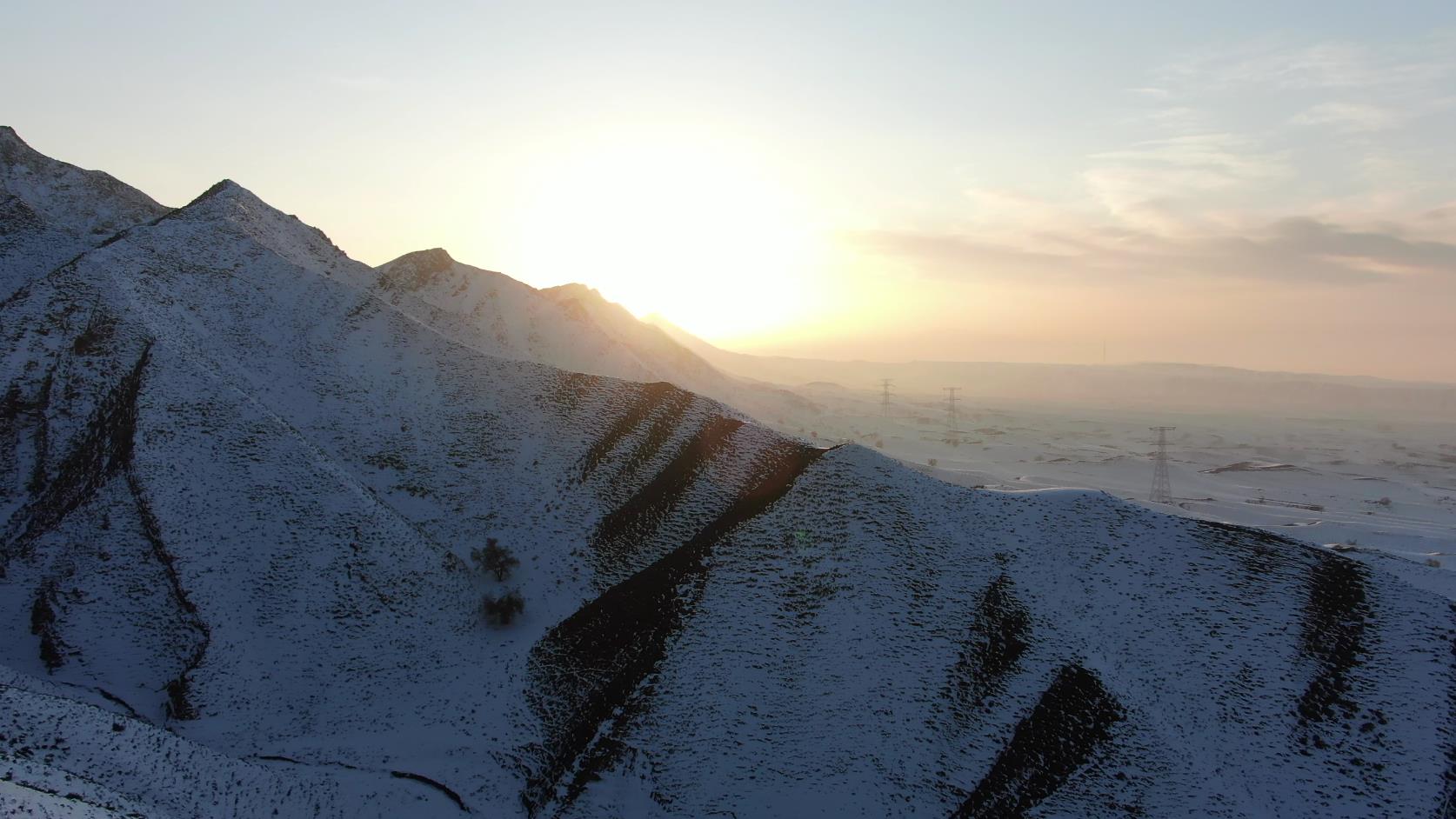
A Western Regions tapestry woven with stars and moonlight: In-Depth Analysis of 2026 Group Tours to Northern and Southern XinjiangDays 3-4:Korla → Tianshan Secret Grand Canyon → Kuqa
Hike through reddish-brown yardang canyons, listen to dutar music at Kuqa Grand Mosque, and stroll Hotan Old Street at night to sample Kuqa’s giant naan bread.
Days 5-6:Kuqa → Wensu Tomur Grand Canyon → Aksu
Self-drive through this “living geological museum,” photograph sci-fi landscapes amidst danxia landforms, and arrive in Aksu by evening for an apple feast.
Days 7-8:Aksu → Desert Highway → Hotan
Traverse the 522km desert highway, check in at the desert post office in Tazhong Town, and night-tour Hotan’s bazaar to select Atlas silk.
Days 9-10:Hotan → Yarkant Palace → Kashgar
Visit the Twelve Mukam Heritage Center, experience the震撼 of 10,000 people’s folk customs at Id Kah Mosque, and overnight in a century-old teahouse to experience tea culture across ethnic groups.
(3) Cost Breakdown
Current mainstream 10-day no-shopping Southern Xinjiang group tours have the following cost structure:
Basic Tour Fee:2,680 RMB/person (includes 9 nights in comfortable hotels, full transportation by licensed vehicles, first entrance tickets + shuttle buses for scenic spots, 9 breakfasts and 4 main meals, travel accident insurance)
Upgrade Options:
Premium Small Group:5,280 RMB/person (groups of 10 or fewer, upgraded to 4-diamond hotels/oxygen-equipped rooms in Taxkorgan, adds roast whole lamb feast and ancient city photo shoot services)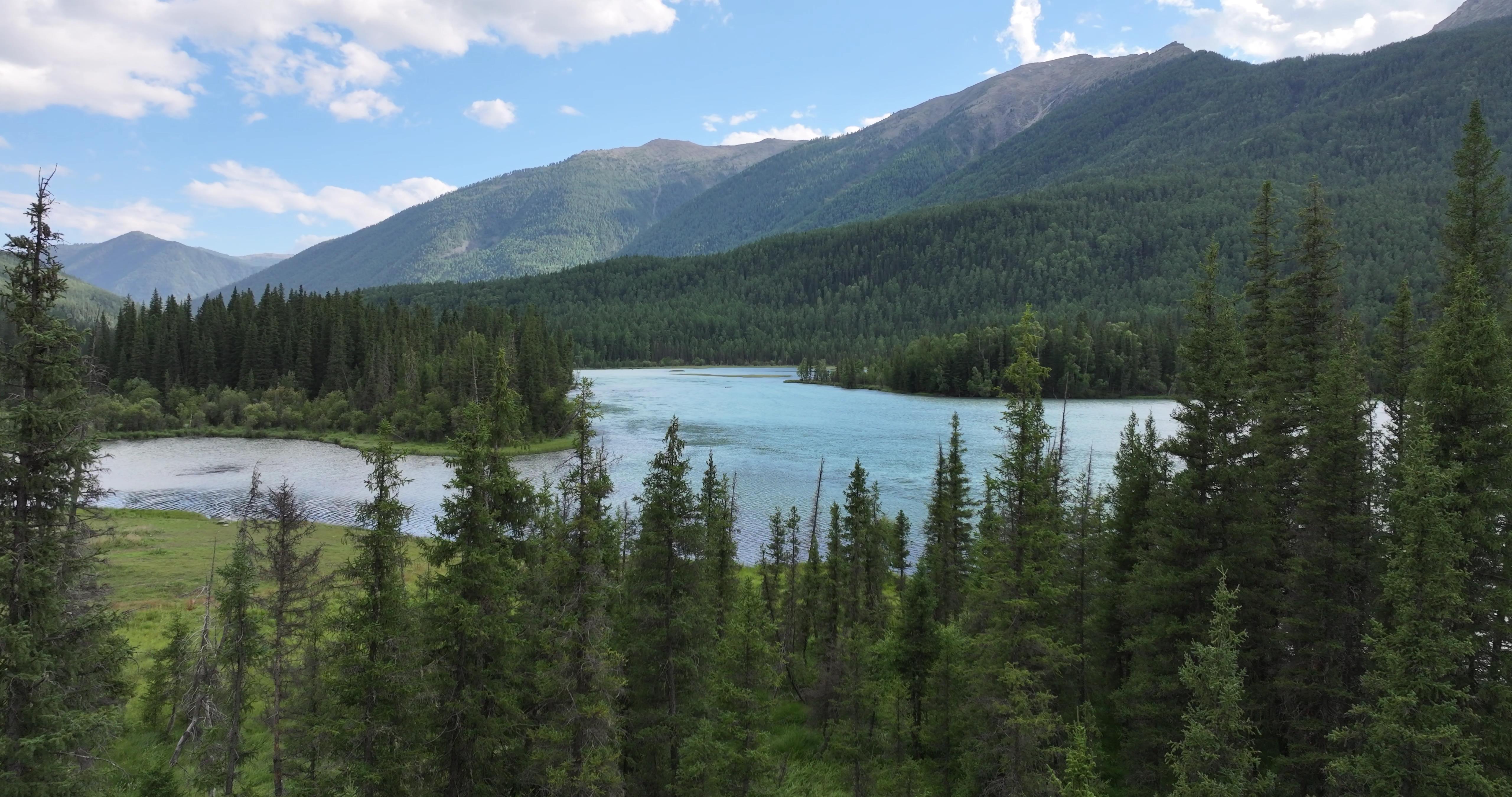
When the summer sun bathes the snow-capped peaks of the Pamir Plateau, the grasslands of Northern Xinjiang ripple with layers of green waves. This land, accounting for one-sixth of China’s territory, is divided by the Tianshan Mountains into two distinct regions: Southern Xinjiang pulses with the vibrant rhythm of civilization along the Silk Road, while Northern Xinjiang unfolds as an ecological masterpiece painted by nature. For travelers planning a 2026 journey to Xinjiang, how to choose the right itinerary? This article provides a comparative analysis across dimensions such as landscape features, itinerary design, and cost breakdowns.Private Customization:From 7,600 RMB/person (2-6 people per vehicle/group, exclusive 7-seater business vehicle, arranges offbeat scenic spots check-ins)
Major Transportation:Round-trip airfare between mainland China and Urumqi/Kashgar: 1,500-2,200 RMB in low season, 2,500-4,000 RMB in peak season
Self-Paid Expenses:Additional meals: 800-1,200 RMB, souvenir purchases: 500-1,500 RMB, optional experiences: 300-800 RMB
II. Northern Xinjiang: Nature’s Favored Ecological Museum
(1) Core Landscape Matrix
Northern Xinjiang’s framework of the Altay and Tianshan mountains creates layered three-dimensional landscapes:
Kanas:A fairy-tale world dotted with Tuvan wooden houses, where Moon Bay, Immortal Bay, and Sleeping Dragon Bay form the classic imagery of “Eastern Switzerland.” The autumn forest sea ablaze with colors creates a visual feast.
Nalati Grassland:One of the world’s four great alpine grasslands, with the Sky Grassland route at 2,200m elevation. From June to August, wildflowers blanket the fields while experiencing the yurt culture of various ethnic groups.
Sayram Lake:The “Last Tear of the Atlantic,” with 12 scenic viewpoints around the lake including Swan Bay, Hydrophilic Beach, and Pine Tree Head. Wildflowers bloom along the lakeshore in July.
Duku Highway:A scenic avenue traversing the Tianshan Mountains, with the northern section (Dushanzi-Nalati) showcasing four landforms: snow mountains, forests, grasslands, and canyons. Open only from June to October annually.
(2) Classic 10-Day Itinerary
Days 1-2:Urumqi → Heavenly Lake → Fuyun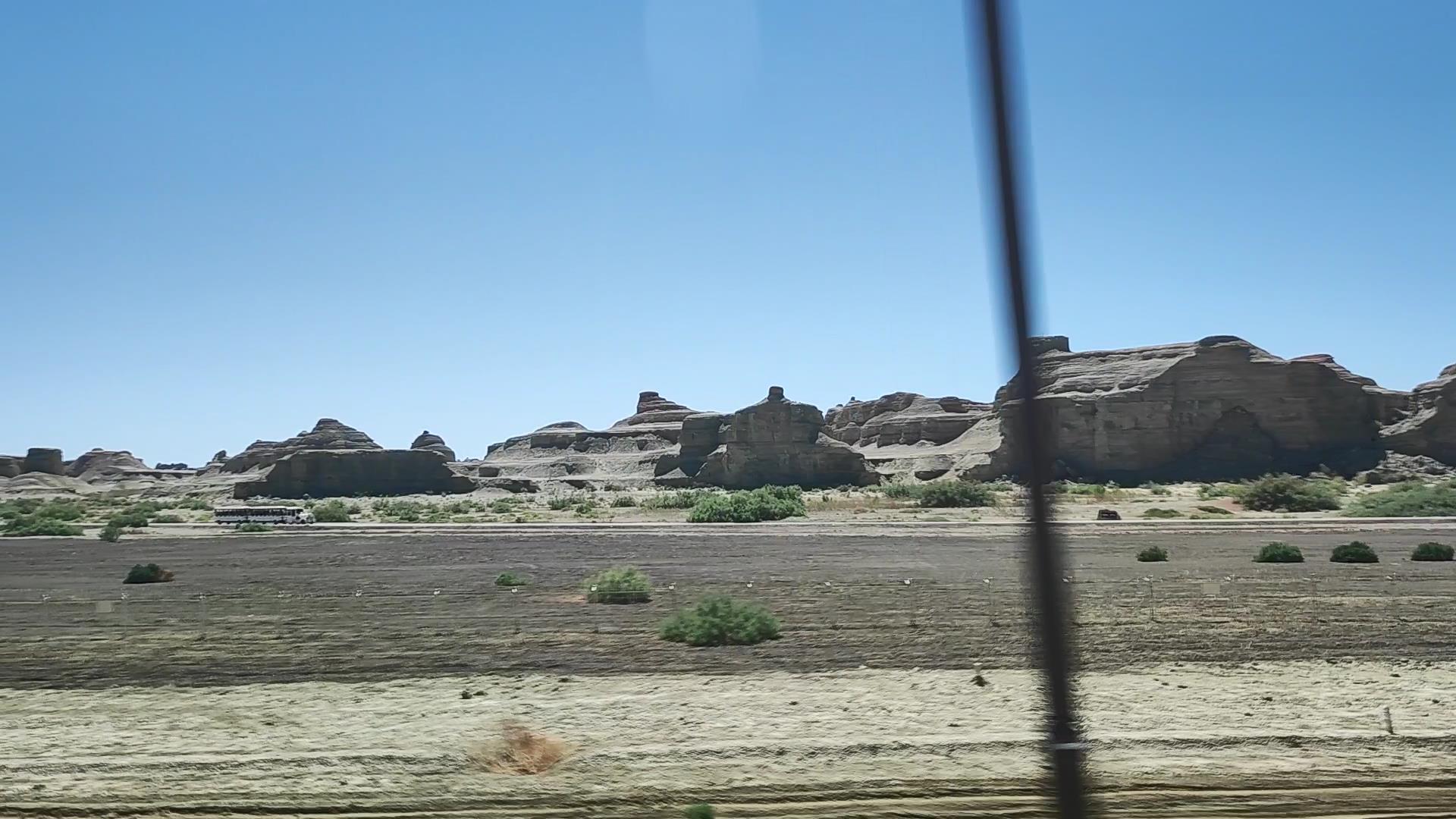
I. Southern Xinjiang: A Corridor of Civilization Spanning MillenniaTour the alpine lake beneath Bogda Peak, and overnight in Fuyun County to prepare for Koktokay.
Days 3-4:Fuyun → Koktokay → Burqin
Explore the geological wonder of Bell Mountain, search for the “Meritorious Mine” #3 pit in the Irtysh Grand Canyon, and arrive in Burqin by evening for a cold-water fish feast.
Days 5-6:Burqin → Kanas → Hemu
Deeply explore Kanas’ Three Bays, overnight in Hemu Village’s wooden houses, and photograph the Tuvan village in morning mist the next day.
Days 7-8:Hemu → Urho Devil City → Kuitun
Cross the Gurbantunggut Desert, photograph sunset masterpieces amidst the devil city’s yardang landforms, and overnight in Kuitun to prepare for the Duku Highway journey.
Days 9-10:Kuitun → Duku Highway → Sayram Lake → Urumqi
Self-drive the northern section of Duku Highway, arrive at Sayram Lake by evening for a circumnavigation tour, and return to Urumqi the next day.
(3) Cost Breakdown
Current 10-day no-shopping Northern Xinjiang group tours have the following cost structure:
Basic Tour Fee:2,680 RMB/person (includes 9 nights in comfortable hotels, full transportation by licensed vehicles, first entrance tickets + shuttle buses for scenic spots, 9 breakfasts and 4 main meals, travel accident insurance)
Upgrade Options: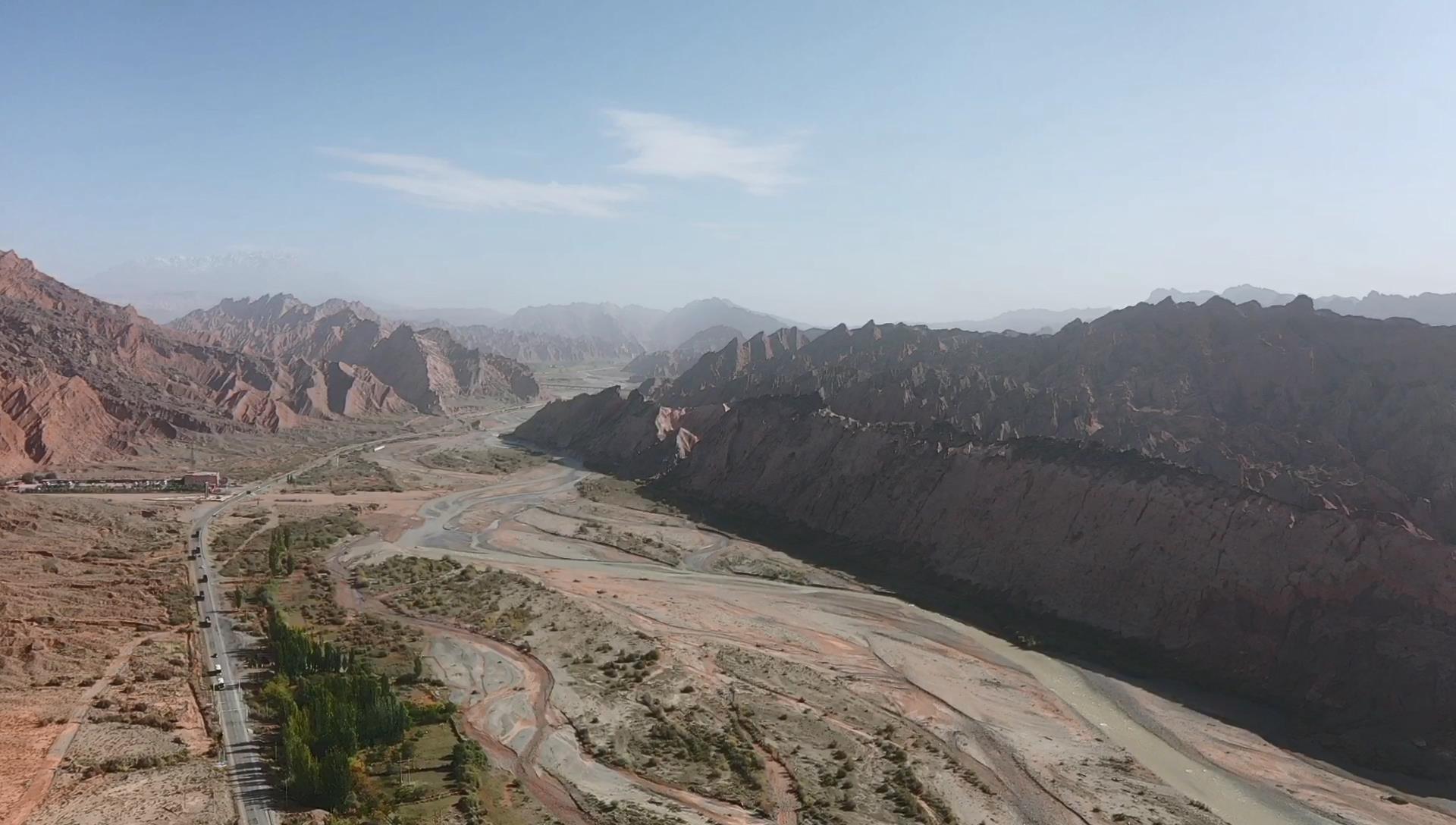
(1) Core Landscape MatrixPremium Small Group:4,980 RMB/person (groups of 8 or fewer, upgraded to scenic B&Bs, adds horseback riding in Nalati and Kanas boat tours)
RV Customization:From 9,800 RMB/person (Type C RV for family/vehicle, includes professional driver-guide, allows cooking and resting stops anytime)
Major Transportation:Round-trip airfare between mainland China and Urumqi: 1,200-1,800 RMB in low season, 2,000-3,500 RMB in peak season
Self-Paid Expenses:Additional meals: 800-1,200 RMB, special experience projects: 500-1,500 RMB, miscellaneous consumption: 300-800 RMB
III. Selection Guide and Registration Instructions
(1) Itinerary Selection Dimensions
Landscape Preferences:Prioritize Northern Xinjiang for natural scenery, Southern Xinjiang for humanities and history
Physical Requirements:Northern Xinjiang averages 4-5 hours daily driving; Southern Xinjiang averages 6-7 hours due to desert highways
Budget Range:Basic tour fees comparable between regions, but Northern Xinjiang’s upgrade options (e.g., RVs, scenic B&Bs) command higher prices
Travel Timing:Optimal travel period: June-August for Northern Xinjiang, September-October for Southern Xinjiang (avoiding sandstorms)
(2) Registration Methods
Register through Xinjiang Pathfinder International Travel Agency. For specific itinerary details and cost breakdowns, consult customer service manager Zhang Jing. The agency provides the following service guarantees: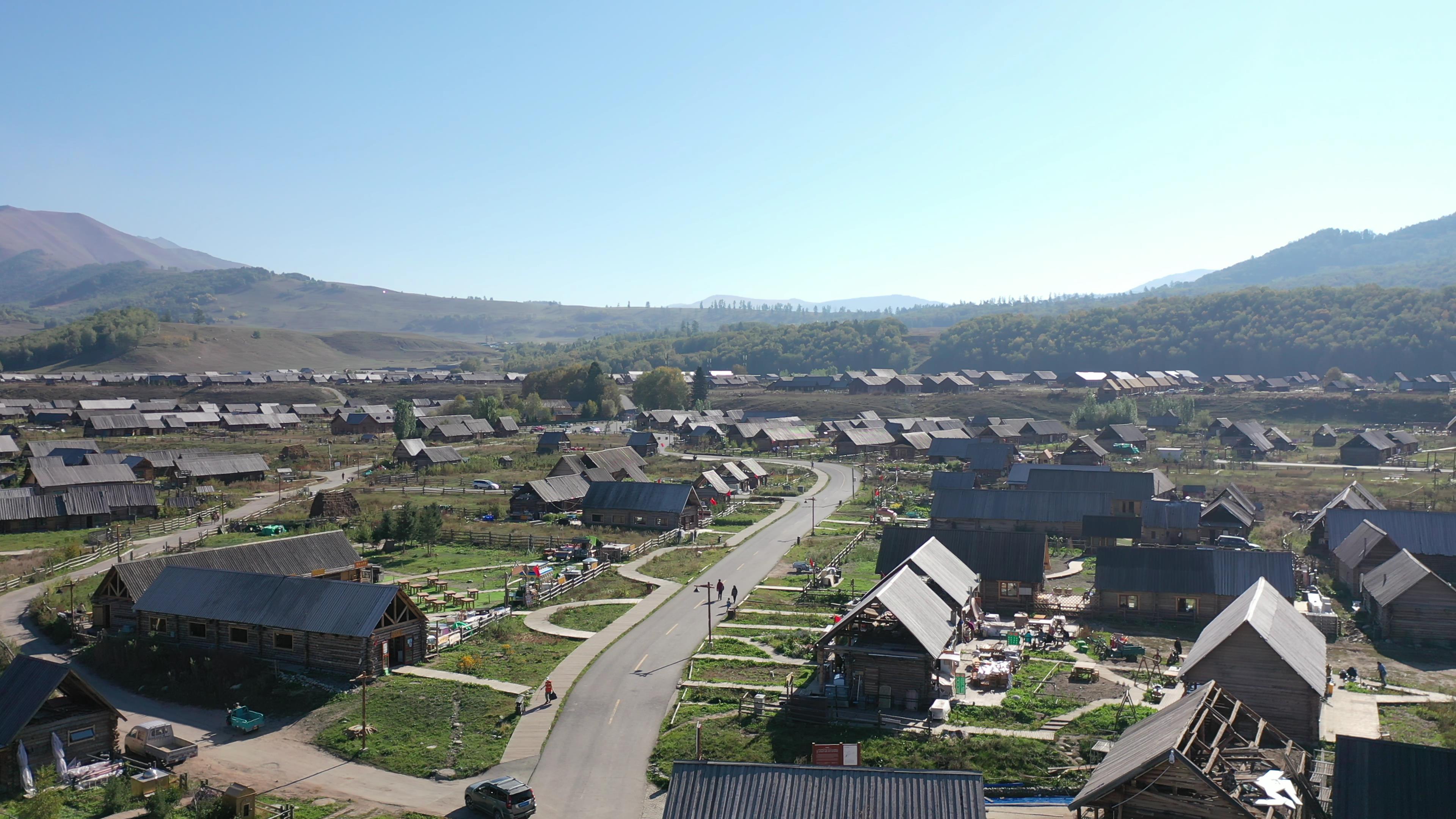
Southern Xinjiang’s “three mountains enclosing two basins” topography nurtures unique natural and cultural landscapes:Transparent Pricing:All cost details written into contracts with no hidden fees
Resource Guarantees:Direct procurement cooperation with scenic spots to secure ticket supplies
Emergency Mechanisms:Equipped with plateau oxygen devices, common medications, and 24-hour emergency response
(3) Cost Explanations and Service Standards
Inclusions:Transportation, accommodation, meals, tickets, and guide services marked in the itinerary
Exclusions:Round-trip major transportation, personal consumption, off-itinerary self-paid projects
Service Standards:Use of licensed tourism vehicles throughout, professional commentary by certified guides, hotels meeting national tourism star standards
Special Notes:Specific itinerary arrangements, cost details, and service standards subject to actual consultation and contracting. Prices may fluctuate by departure date, with the signed contract prevailing.
(4) Pre-Departure Tips
Documentation:Bring original valid identification; apply for travel permits in advance for the Pamir Plateau
Equipment Suggestions:Windproof jackets for Northern Xinjiang; sun protection and moisturizing skincare for Southern Xinjiang
Cultural Respect:Dress appropriately for visits; obtain consent before photographing locals
Solo Travelers:Xinjiang Pathfinder International Travel Agency will make best efforts to arrange room-sharing; special cases require separate negotiation
When snowmelt from the Duku Highway feeds Kanas’ streams, when Taklimakan’s sands caress Kashgar Old City’s brick walls, Xinjiang interprets the symphony of geography and humanity in its most primitive form. Choose the right itinerary, let professional teams alleviate long-distance travel fatigue, and truly comprehend this land’s grandeur and tenderness.
Contact Manager Yang Jia at 13325559266 or WeChat 13325559266 to send your itinerary and receive a quote.


